


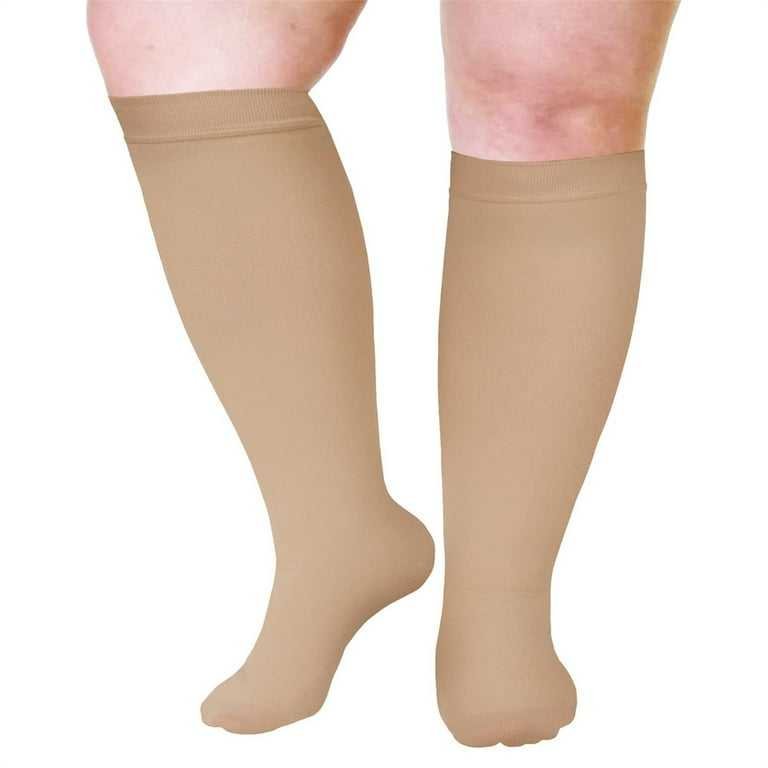
Wearing compression gear can be a game-changer for reducing swelling quickly and effectively. These snug-fitting garments help improve blood flow, limit fluid buildup, and provide support to affected areas. Just a simple wrap or sleeve can make a noticeable difference in how fast your swelling diminishes and how comfortable you feel during recovery.
Compression gear works by applying steady pressure that encourages circulation and prevents fluids from pooling. It’s an easy, non-invasive solution suitable for sports injuries, post-surgical recovery, or even everyday swelling from long periods of standing or sitting. In this article, we’ll explore how to properly use compression gear to manage swelling and ensure you get the best results for your needs.
Swelling can be managed effectively with the right compression gear, which improves circulation and prevents fluid buildup. Ensuring proper fit and usage maximizes benefits, helping you recover faster and feel more comfortable.

Using compression gear to reduce swelling
Understanding swelling and how it affects the body
Swelling, also known as edema, occurs when excess fluid builds up in tissues. It can happen after an injury, during illness, or from prolonged standing or sitting. Swelling makes body parts feel tight, uncomfortable, and sometimes painful. Reducing swelling quickly helps prevent further complications and speeds up recovery.
How compression gear works to reduce swelling
Compression gear applies gentle pressure on the affected area. This pressure helps push excess fluid out of tissues and back into the lymphatic and blood circulation. As a result, swelling decreases, and comfort increases. The design of compression gear ensures even pressure distribution, which is key to effective swelling reduction.
Types of compression gear for swelling relief
- Compression socks: Often used for leg swelling caused by varicose veins or long flights. They help improve circulation in the legs.
- Compression sleeves: Cover specific areas like the arms or calves. These are useful after muscle injuries or surgeries.
- Compression gloves: Used to reduce swelling in the hands or fingers. They also relieve arthritis symptoms.
- Compression wraps: Flexible bandages that can be adjusted for swelling in various body parts.
Choosing the right compression level
Compression gear comes in different pressure levels measured in millimeters of mercury (mmHg).
- Light compression (8-15 mmHg): Suitable for minor swelling or for comfort during travel.
- Moderate compression (15-20 mmHg): Good for moderate swelling, varicose veins, or post-surgical recovery.
- High compression (20-30 mmHg): Usually prescribed for severe edema or venous disorders. Must be fitted by a healthcare professional.
Proper fit and sizing for optimal swelling reduction
A well-fitting compression gear ensures maximum effectiveness. Gear that is too tight can restrict blood flow, while loose gear won’t provide enough pressure. To find the right size:
- Measure the circumference of the area at its widest point.
- Consult size charts provided by manufacturers.
- Try on gear to ensure comfort without pinching or leaving marks.
Proper fit not only improves swelling reduction but also prevents discomfort and skin issues.
When and how to wear compression gear
Wearing the gear at the right time enhances its benefits. It is best to put on compression gear early in the day before swelling worsens. Wear it consistently during activities that trigger swelling, such as standing or sitting for long periods. Remove the gear at night unless advised otherwise by a healthcare provider.
Tips for using compression gear safely
- Start with shorter wear times and gradually increase as tolerated.
- Check the skin regularly for signs of irritation or pressure marks.
- Keep the skin clean and dry before putting on the gear.
- Use moisturizer if needed to prevent skin dryness.
- If experiencing increased pain or numbness, remove the gear and consult a healthcare professional.
Complementary methods to enhance swelling reduction
Using compression gear alone might not be enough for some cases. Combining it with other strategies can improve results:
- Elevation: Keep the swollen limb raised above heart level to reduce fluid accumulation.
- Gentle exercise: Activities like walking promote circulation and fluid drainage.
- Hydration: Drinking plenty of water helps flush out excess fluids.
- Diet: Reducing salt intake prevents fluid retention.
Potential challenges and how to address them
Some users may experience discomfort, skin irritation, or difficulty fitting the gear. To address these:
- Work with a healthcare provider to ensure proper size and compression level.
- Follow instructions for wear time and maintenance.
- Opt for breathable materials to prevent sweating and skin issues.
- Replace worn-out gear to ensure continued effectiveness.
Research and evidence supporting compression gear for swelling
Multiple studies show compression gear effectively reduces swelling after injuries or surgery. For example, research indicates that compression stockings can decrease edema and improve blood flow in post-operative patients. Consistent use often correlates with faster healing and reduced discomfort.
How to care for compression gear
Proper maintenance extends the life of compression gear and maintains its effectiveness. Hand wash gear with mild soap and air dry. Avoid bleach, fabric softeners, or machine drying, which can degrade the fabric and reduce compression. Regular inspection ensures damage or loss of elasticity does not go unnoticed.
Related topics to explore
- Post-surgical swelling management: Strategies beyond compression gear, including medication and physical therapy.
- Circulatory health: How lifestyle choices influence swelling and blood flow.
- Sports recovery: Using compression gear to reduce swelling after intense exercise or injuries.
Using compression gear to reduce swelling offers an accessible and effective way to manage edema and improve comfort. By selecting the right type, fit, and compression level, and combining it with other healthy practices, individuals can experience significant relief and support faster recovery. Proper care and understanding of how pressure works ensure long-term benefits, making compression gear a valuable tool in swelling management.
Boost Your Circulation: The Benefits of Compression Socks Explained!
Frequently Asked Questions
How can compression gear help in managing swelling after an injury?
Compression gear applies gentle pressure to the affected area, which helps reduce blood flow and fluid accumulation. By limiting swelling, it can also prevent additional tissue damage and promote faster healing. Consistent use during activity and rest ensures continuous pressure, making it easier to control swelling effectively.
What is the best way to ensure compression gear fits correctly for swelling reduction?
To achieve optimal results, choose compression gear that fits snugly but isn’t too tight. Measure the circumference of the affected area according to the manufacturer’s sizing chart. Proper fit ensures consistent pressure without restricting blood flow, which is essential for reducing swelling comfortably.
Are there specific types of compression gear recommended for different body parts?
Yes, different body parts require tailored compression solutions. For ankles and calves, compression sleeves or socks work well. For elbows or knees, compression wraps or braces provide targeted support. Choosing the appropriate gear designed for each area enhances effectiveness in swelling management.
Can wearing compression gear continuously cause any negative side effects?
Wearing compression gear for long periods can sometimes lead to discomfort or restricted blood flow if the fit is too tight. It’s important to remove the gear periodically to allow skin to breathe and to monitor for any signs of numbness or increased pain. Follow your healthcare provider’s guidance for safe usage.
How does the use of compression gear complement other swelling reduction strategies?
Combining compression gear with elevation, rest, and proper hydration enhances swelling reduction efforts. Elevating the affected limb helps gravity assist fluid drainage, while rest minimizes further injury. Using compression gear alongside these strategies creates a comprehensive approach to manage swelling more effectively.
Final Thoughts
Using compression gear to reduce swelling offers an effective way to manage recovery. It applies steady pressure that improves blood flow and minimizes fluid buildup. This can lead to faster healing and comfort. Consistently wearing the gear during activity and rest maximizes benefits. Overall, compression gear provides targeted support to reduce swelling effectively and helps you stay active and comfortable.
As an Amazon Associate, We earn from qualifying purchases. When you purchase a product through Amazon links on pulsefitguide.com, we may earn a small commission at no extra cost to you. This helps support the site and keep our content free.
