


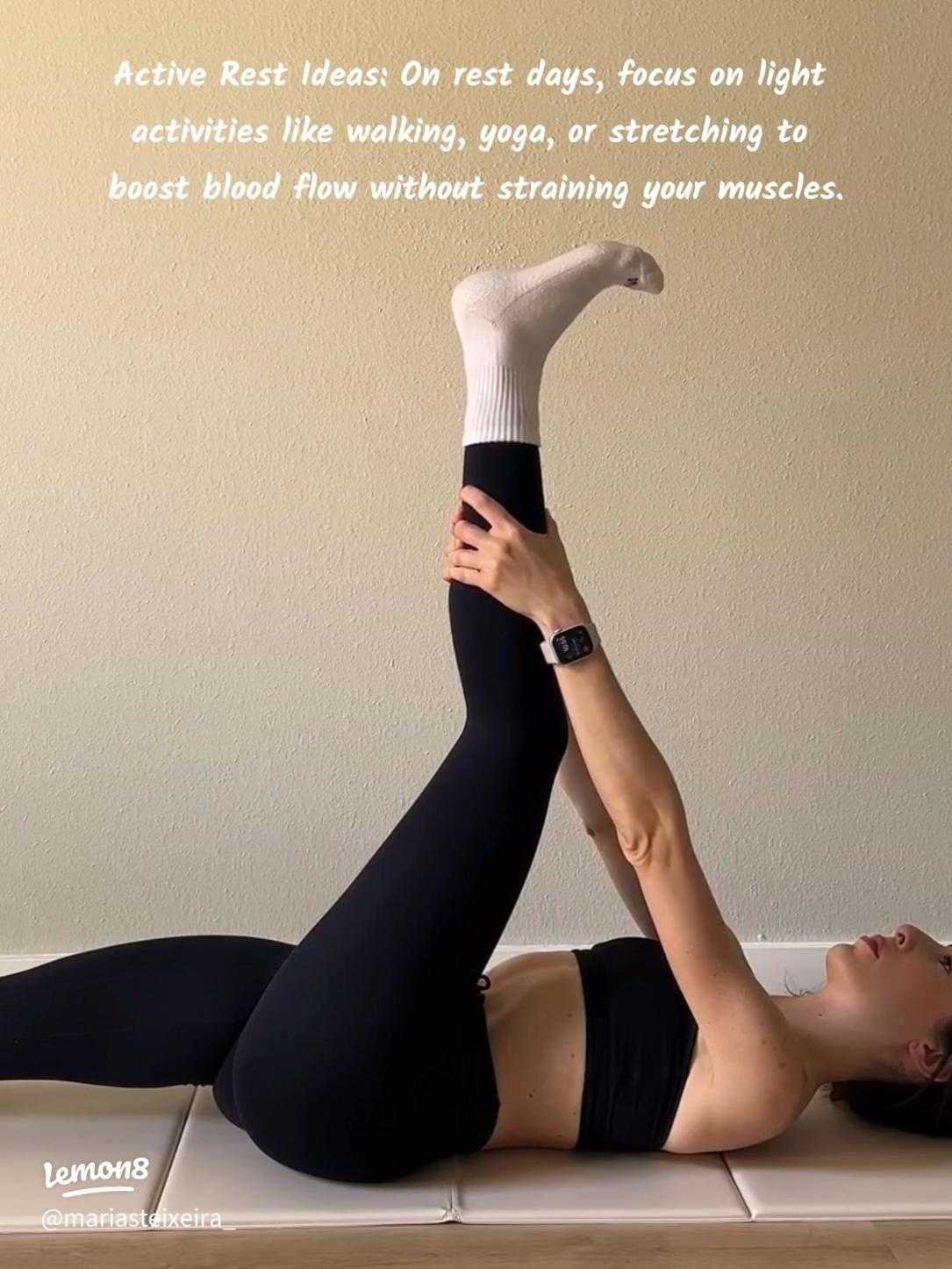
Absolutely, doing light activity like walking on rest days can be beneficial! It helps your muscles stay active, boosts circulation, and promotes recovery without overtaxing your body. Keeping moving gently on rest days can actually enhance your overall fitness journey.
Engaging in light activities such as walking on rest days is generally a good idea. It keeps your body active without putting too much stress on your muscles, allowing for better recovery and reducing stiffness. Incorporating gentle movement can also improve mood and energy levels, making your fitness routine more sustainable.
If you’re wondering whether you should rest completely or stay active, the answer leans toward light activity like walking. It strikes a balance between giving your muscles time to repair and maintaining an active lifestyle that supports overall health and progress.

Doing Light Activity Like Walking on Rest Days
On rest days, many people think they should stay completely still. But engaging in light activity like walking can actually benefit your body and mind. It keeps your muscles moving without overtaxing your system. Plus, it helps your recovery process and keeps your motivation high.
Why Doing Light Activity on Rest Days Matters
Rest days are essential for muscle repair and overall recovery. However, gentle activities like walking can support this process. They boost blood flow, helping nutrients reach your muscles faster. This reduces soreness and speeds up healing.
Benefits of Walking on Rest Days
- Increases blood circulation, aiding recovery
- Reduces muscle stiffness and soreness
- Helps manage body weight and prevents weight gain
- Boosts mood and reduces stress levels
- Promotes better sleep quality
How Light Activity Enhances Recovery
Gentle walking triggers low-impact movement that stimulates your muscles. This stimulation helps clear out metabolic waste products that build during workouts. It also encourages the release of endorphins, the body’s natural mood lifters.
Role of Light Activity in Preventing Stiffness
Stiffness often occurs when muscles are kept inactive for long periods. Light walking gently stretches muscles and improves flexibility. It keeps joints lubricated and reduces the risk of joint pain and stiffness.
Optimal Duration and Intensity of Walking on Rest Days
Walking for about thirty to forty-five minutes is generally enough to enjoy the benefits without causing fatigue. Keep the pace easy—think of a leisurely stroll—so your body doesn’t get overworked. Listen to how your body feels and avoid pushing too hard.
Tips for a Safe and Enjoyable Walk
- Wear comfortable shoes to prevent injury
- Choose scenic or quiet routes for relaxation
- Maintain good posture—shoulders back and head up
- Bring water to stay hydrated
- Adjust pace based on how you feel
Incorporating Walking into Your Weekly Routine
Designate specific days for walking on rest days. You might go for a morning stroll or an evening walk. Consistency helps your body get used to gentle activity and creates a healthy habit.
Combining Walking with Other Light Activities
- Stretching exercises before and after walking
- Light yoga or tai chi for flexibility and relaxation
- Deep breathing exercises to reduce stress
Impact of Walking on Mental Health
Walking is not only good for your body but also boosts mental well-being. It helps clear your mind, reduce anxiety, and improve your mood. Spending time outdoors adds the benefit of fresh air and natural surroundings.
Connecting with Nature During Walks
Walking outdoors in parks or green spaces can heighten feelings of calm and happiness. Nature exposure also lowers blood pressure and enhances cognitive function. Make it a point to enjoy your environment while walking.
Monitoring Your Progress and Staying Motivated
Use a pedometer or smartphone app to track your steps and distance. Setting small goals can keep you motivated and give you a sense of achievement. Celebrate progress, no matter how small, to stay inspired.
Overcoming Barriers to Light Activity
- Weather conditions—walk indoors when it’s too hot, cold, or rainy
- Lack of time—split walks into shorter sessions throughout the day
- Low motivation—find walking buddies or listen to music
Additional Benefits of Consistent Light Activity
Regular light activity on rest days can improve cardiovascular health and boost energy levels. It also encourages a balanced lifestyle by reducing sedentary behavior. Over time, these habits can lead to better overall health and well-being.
Potential Risks and How to Avoid Them
Though walking is safe for most, be cautious if you have pre-existing health conditions. Always start slowly and consult your healthcare provider if you have concerns. Wear appropriate footwear and stay hydrated to prevent injuries.
How to Make Walking a Habit
Set specific times and routes that suit your schedule. Integrate walking with other activities like listening to podcasts or audiobooks. Keeping it simple and enjoyable encourages long-term consistency.
Walking as a Social Activity
Invite friends or family to join you. Walking together not only makes the activity more fun but also strengthens relationships. Group walks can motivate you to stick with your routine.
Incorporating light activity like walking on rest days offers multiple health benefits. It promotes faster recovery, improves mental health, and helps establish a balanced lifestyle. Remember to keep your walks enjoyable, safe, and part of your regular routine for best results.
What should we do on rest days?
Frequently Asked Questions
Is it beneficial to include walking on rest days for recovery?
Yes, walking on rest days can promote blood flow, reduce muscle stiffness, and aid in faster recovery. It keeps your muscles active without putting too much stress on your body, helping you feel refreshed and ready for your next workout.
How does light activity like walking affect muscle soreness after intense training?
Engaging in light walking can help alleviate muscle soreness by increasing circulation, which delivers nutrients and removes waste products from muscle tissues. This gentle movement can decrease discomfort and improve your overall recovery process.
What are some guidelines for safely walking during rest days?
Keep your walking sessions moderate in duration and intensity, typically around 20 to 30 minutes. Wear comfortable shoes, stay hydrated, and listen to your body. If you feel any pain or excessive fatigue, it’s best to rest and avoid overexertion.
Can walking on rest days help in maintaining a consistent exercise routine?
Absolutely. Incorporating light activity like walking on rest days can make it easier to stay active regularly. It keeps you engaged in physical activity without the fatigue associated with more intense workouts, supporting long-term consistency.
Are there specific benefits of walking compared to other light activities on rest days?
Walking is low-impact and accessible, making it suitable for most people. It helps improve cardiovascular health, boosts mood, and enhances joint mobility without the risk of injury that might come with more vigorous activities, making it an excellent choice for active recovery.
Final Thoughts
Doing light activity like walking on rest days helps your body recover and stay active without overexertion. It keeps your muscles loose and improves circulation, which can boost overall well-being. Incorporating gentle movement prevents stiffness and promotes a healthy routine. Remember, balancing rest with light activity supports your fitness journey effectively.
As an Amazon Associate, We earn from qualifying purchases. When you purchase a product through Amazon links on pulsefitguide.com, we may earn a small commission at no extra cost to you. This helps support the site and keep our content free.
