


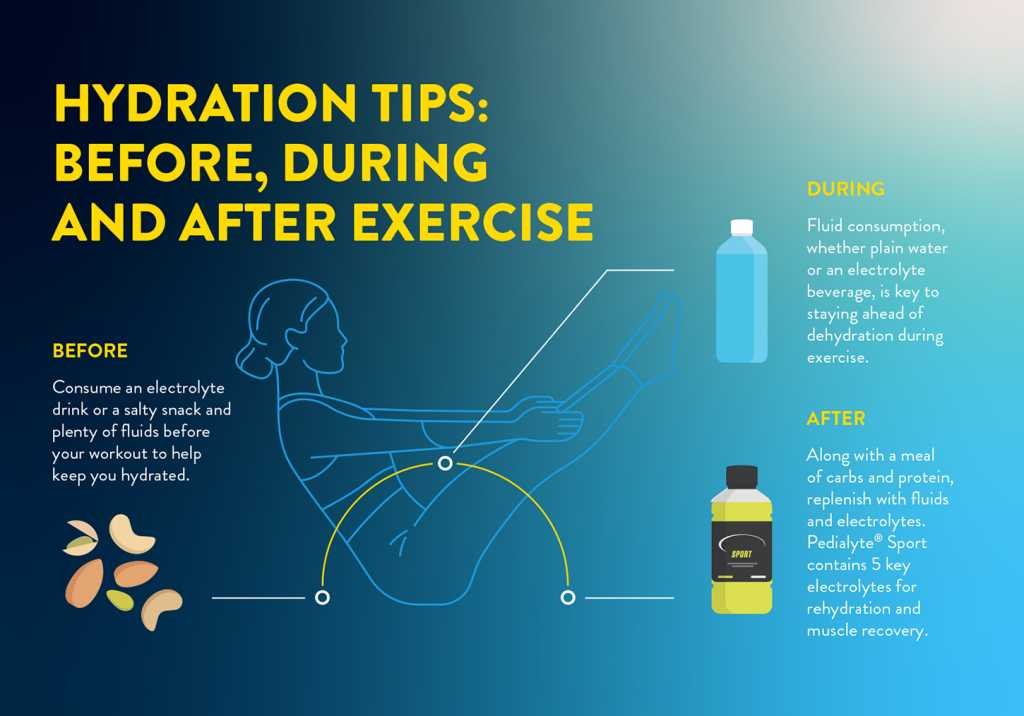
Yes, consuming electrolytes after intense workouts helps replenish lost minerals and rehydrate your body effectively. It’s a quick way to restore energy levels, reduce muscle cramps, and speed up recovery, making it essential for anyone pushing their limits.
Electrolytes like sodium, potassium, magnesium, and calcium play a key role in maintaining fluid balance and muscle function. When you exercise intensely, especially sweating profusely, your body loses these vital minerals. Replenishing them promptly can prevent dehydration and muscle fatigue, letting you bounce back faster and perform better next time. Whether you opt for sports drinks, electrolyte tablets, or natural sources like coconut water, incorporating electrolytes after a tough workout is a smart move to support your recovery process and overall well-being.

Consuming Electrolytes After Intense Workouts
Why Are Electrolytes Important After Exercising?
Electrolytes are minerals that carry an electric charge and are essential for many body functions. During intense workouts, you lose electrolytes through sweat, which can lead to dehydration and muscle cramps. Replenishing these minerals helps your body recover faster and keeps your muscles working properly.
Key Electrolytes Lost During Exercise
Exercise causes the body to lose a variety of electrolytes, mainly through sweat. The most common ones are:
- Sodium
- Potasium
- Magnesium
- Calcium
Maintaining the right balance of these minerals is crucial for hydration, muscle function, and overall health.
How Electrolyte Imbalance Affects Your Body
When electrolyte levels drop, you might experience symptoms like muscle cramps, fatigue, dizziness, and nausea. These signs indicate that your body needs replenishment to restore proper fluid balance. Ignoring electrolyte loss can prolong recovery and increase your risk of dehydration.
The Role of Sodium and Potassium in Hydration
Sodium helps your body retain water, making it vital after sweating. Potassium works alongside sodium to regulate muscle contractions and nerve signals. A proper balance between these minerals prevents dehydration and supports efficient muscle recovery.
Optimal Timing for Consuming Electrolytes
It’s best to restore electrolytes immediately after an intense workout. Consuming drinks or foods containing electrolytes within 30 minutes to 1 hour helps replenish lost minerals and rehydrate your body effectively. Waiting too long can delay recovery and increase fatigue.
Choices of Electrolyte Sources
Electrolytes can be obtained from various sources, including:
- Sports drinks designed to replace lost minerals
- Coconut water, which naturally contains sodium, potassium, and magnesium
- Fruits like bananas, oranges, and dates
- Vegetables such as spinach and sweet potatoes
- Electrolyte powders or tablets that can be added to water
Your choice depends on your preferences and workout intensity.
Making Your Own Electrolyte Drinks
Creating homemade electrolyte drinks is simple and cost-effective. You can mix:
- 1 liter of water
- 2 tablespoons of honey or maple syrup for natural sugars
- 1/2 teaspoon of sea salt for sodium
- A splash of lemon or lime juice for flavor and vitamin C
Stir well and sip during or after your workout to stay hydrated and replenish minerals.
Understanding Electrolyte Supplements
Supplements come in powders, tablets, or capsules that provide concentrated electrolytes. They are especially useful during long workouts or in hot weather when sweating is excessive. Always read labels to ensure you get the right balance of minerals and avoid excess sodium intake.
Potential Risks of Overconsumption
While replenishing electrolytes is vital, consuming too much can be harmful. Excess sodium can lead to high blood pressure, and too much potassium may cause heart problems. It’s important to follow recommended doses and consult a healthcare professional if unsure.
Electrolyte Needs for Different Activities
Your electrolyte needs depend on your workout type and duration:
- High-intensity aerobic exercises like running or cycling
- Strength training with heavy weights
- Endurance events such as marathons or triathlons
Prolonged or intense activities increase electrolyte loss, making replenishment even more critical.
Additional Tips to Maximize Electrolyte Absorption
To improve absorption, consume electrolytes alongside adequate water intake. Avoid alcohol and caffeine immediately after exercising, as they can dehydrate your body. Balanced meals that include a variety of fruits and vegetables also help support electrolyte levels.
The Connection Between Electrolytes and Recovery
Replacing electrolytes helps reduce muscle soreness and cramps, speeding up recovery. Proper mineral balance restores energy levels and stabilizes heartbeat, contributing to overall well-being after your workout. Staying consistent with electrolyte intake ensures optimal performance in future sessions.
Frequency of Electrolyte Consumption
For most people, drinking an electrolyte-rich beverage immediately after exercise is sufficient. Athletes engaging in multiple daily sessions or enduring very hot conditions may need to replenish electrolytes more frequently. Listening to your body and monitoring symptoms is key to adjusting intake.
How Hydration and Electrolytes Work Together
Hydration and electrolyte balance go hand-in-hand. Drinking fluids with electrolytes helps retain water in your system, preventing dehydration. Adequate hydration supports temperature regulation, joint lubrication, and nutrient transport.
Electrolytes and Special Diets
Vegetarians, vegans, and those on low-sodium diets may need to pay extra attention to their electrolyte intake. Incorporating rich sources of potassium and magnesium from plant-based foods ensures balanced levels. Supplements can help fill gaps if diet alone isn’t enough.
The Importance of Listening to Your Body
Every individual’s needs differ depending on sweat rate, exercise intensity, and climate. Pay attention to signs of dehydration or cramping. Adjust your electrolyte intake based on your personal response and activity level.
Summary of Key Electrolyte Information
Below is a quick reference table for common electrolyte sources:
| Electrolyte | Food Sources | Recommended Intake Post-Workout |
|---|---|---|
| Sodium | Salted nuts, pickles, sports drinks | Replenish based on sweat loss; usually a small amount in drinks |
| Potasium | Bananas, oranges, sweet potatoes | Eat within 30 minutes to 1 hour after exercising |
| Magnesium | Dark leafy greens, nuts, seeds | Supplement if needed; focus on diet for regular intake |
| Calcium | Milk, cheese, yogurt | Consistent intake supports overall recovery |
Final Thoughts: Incorporating Electrolytes Into Your Post-Workout Routine
Consuming electrolytes after intense workouts helps you recover faster, prevent dehydration, and support muscle function. The best approach combines proper hydration, balanced nutrition, and, when necessary, supplementation. Paying attention to your body’s signals and choosing high-quality sources will ensure you stay energized and healthy during your fitness journey.
Why You Need Electrolytes – Can It Help With Getting Stronger?
Frequently Asked Questions
How do electrolytes help in the recovery process after intense physical activity?
Electrolytes such as sodium, potassium, magnesium, and calcium play a vital role in replenishing minerals lost through sweat during exercise. They help maintain fluid balance, restore muscle function, and prevent cramps. By restoring electrolyte levels promptly, you support efficient recovery and reduce muscle fatigue, allowing your body to bounce back faster after strenuous activity.
What are the best sources of electrolytes to consume post-workout?
After an intense workout, you can obtain electrolytes from various foods and drinks. Fruits like bananas and oranges provide potassium, while dairy products offer calcium. Drinking sports drinks formulated with balanced electrolytes can quickly replenish what you lose through sweating. Additionally, nuts, seeds, and leafy greens serve as good natural sources of magnesium and other minerals essential for recovery.
Can overconsumption of electrolytes cause any health issues?
Yes, consuming excessive amounts of electrolytes can lead to imbalances that may cause health problems such as hypernatremia or hyperkalemia. These conditions can result in symptoms like irregular heartbeat, muscle weakness, or swelling. It is important to replenish electrolytes according to your body’s needs and avoid excessive supplementation unless advised by a healthcare professional.
What are the signs that I need to replenish electrolytes after a workout?
Common signs indicating the need to replenish electrolytes include muscle cramps, weakness, dizziness, excessive sweating, and a dry mouth. If you experience these symptoms following intense exercise, it’s a good idea to consume electrolyte-rich fluids or foods to restore balance and support your recovery process.
Final Thoughts
Consuming electrolytes after intense workouts helps replenish lost minerals and fluids, speeding up recovery. Proper hydration prevents cramps and fatigue, allowing you to get back on track quickly. Including electrolyte-rich drinks or snacks supports optimal performance and overall well-being. Prioritize replenishing these vital nutrients to stay energized and healthy.
As an Amazon Associate, We earn from qualifying purchases. When you purchase a product through Amazon links on pulsefitguide.com, we may earn a small commission at no extra cost to you. This helps support the site and keep our content free.
