


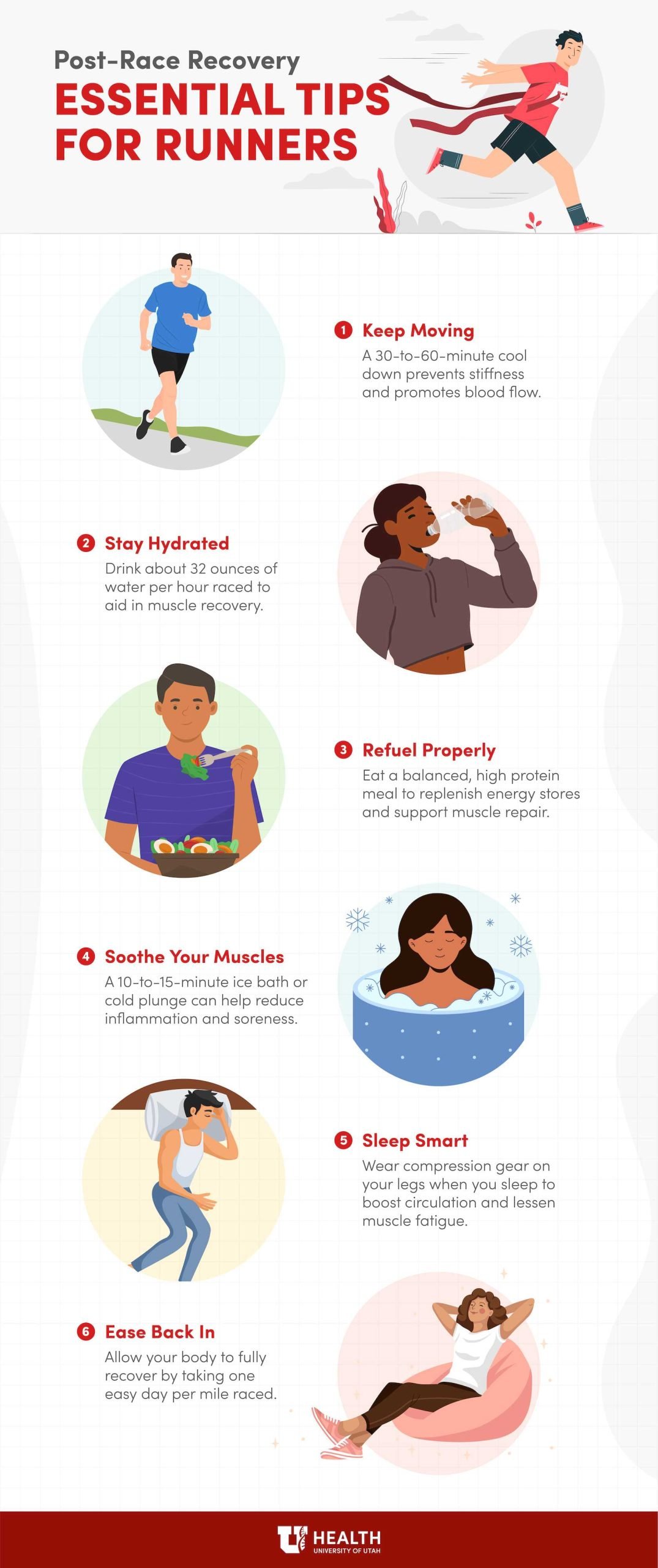
Staying hydrated is the secret weapon for quick and effective muscle recovery after a tough workout. Proper hydration replenishes lost fluids, reduces soreness, and speeds up the healing process, ensuring you bounce back stronger. Drinking enough water and replacing electrolytes are key steps to keep your muscles functioning optimally and prevent injury. Remember, dehydration can hamper muscle repair and prolong soreness, so paying attention to your fluid intake is essential.
Hydrating properly involves more than just drinking water; it requires balancing electrolytes and consuming fluids throughout the day. By staying consistently hydrated before, during, and after exercise, you support muscle repair and reduce recovery time. Knowing how to hydrate effectively can make a significant difference in your fitness journey and overall well-being.
When it comes to muscle recovery, hydration plays a pivotal role in maintaining muscle health and reducing soreness. To maximize recovery, ensure you’re drinking sufficient water, incorporating electrolyte-rich drinks, and paying attention to your body’s signals. Proper hydration not only helps you recuperate faster but also enhances your athletic performance over time.

Hydrating Properly to Aid Muscle Recovery
The Importance of Hydration for Muscle Healing
Proper hydration is essential for muscles to recover after exercise. When you work out, your body loses fluids through sweat. Replenishing these fluids helps reduce soreness and speeds up recovery. Without enough water, muscles can become stiff and more prone to injury. Staying well-hydrated keeps your muscles functioning well and supports healing processes.
How Dehydration Affects Muscle Recovery
Dehydration can slow down muscle repair and increase inflammation. When your body lacks fluids, blood flow to muscles decreases, which means less oxygen and nutrients reach damaged tissues. This can extend soreness and make it harder for muscles to rebuild. Even mild dehydration can impair strength and performance, so drinking enough water is crucial.
How Much Water Do You Need?
The amount of water needed varies based on factors like age, activity level, and climate. A general guideline is drinking at least 8 glasses (about 2 liters) of water daily. Athletes might need more, especially after intense workouts. Listening to your body’s thirst signals is a simple way to gauge hydration needs. Urine should be light yellow, indicating proper hydration.
Factors That Influence Hydration Needs
- Exercise intensity: More vigorous activity causes greater fluid loss.
- Temperature and humidity: Hot and humid weather increase sweat loss.
- Body size and weight: Larger bodies may need more fluids.
- Diet: Consuming salty foods or high-protein diets affects hydration requirements.
The Role of Electrolytes in Hydration
Electrolytes like sodium, potassium, calcium, and magnesium play a vital role in maintaining fluid balance. During exercise, electrolytes are lost through sweat. Replacing them helps prevent cramps and supports muscle function. Sports drinks often contain electrolytes to aid in quick replenishment, especially after long or intense sessions.
Electrolyte-Rich Foods to Support Hydration
- Bananas and sweet potatoes (rich in potassium)
- Leafy greens like spinach and kale (high in magnesium)
- Yogurt and dairy products (contain calcium and potassium)
- Nut and seed mixes (source of magnesium and healthy fats)
Timing Your Hydration for Optimal Recovery
Consuming fluids before, during, and after exercise maximizes recovery benefits. Drinking water pre-workout prepares your body and can prevent dehydration. During activity, sipping small amounts frequently keeps hydration levels stable. Post-exercise, rehydrating helps flush out toxins and delivers nutrients necessary for repair.
Post-Workout Hydration Tips
- Drink 16-24 ounces of water within 30 minutes after exercising.
- Include electrolytes if you’ve sweated heavily or exercised for over an hour.
- Eat water-rich foods like watermelon, oranges, or cucumbers to supplement fluids.
Special Considerations for Hydration During Recovery
People recovering from injury or illness need tailored fluid intake. Certain conditions like dehydration from illness or medications may require increased hydration. Always follow healthcare advice if you have underlying health issues that affect fluid balance.
Signs You Are Not Hydrated Enough
- Dark urine
- Dry mouth and lips
- Fatigue or dizziness
- Muscle cramps or stiffness
- Reduced urine output
Additional Tips to Support Muscle Recovery Through Hydration
Apart from drinking water, maintaining proper hydration involves lifestyle choices. Avoid excessive caffeine and alcohol, which can dehydrate the body. Incorporate herbal teas or flavored water with natural fruit infusions. Keeping a reusable water bottle handy encourages regular sipping throughout the day.
Hydration and Overall Nutrition
Proper hydration works hand-in-hand with balanced nutrition. Consuming enough carbohydrates and protein replenishes glycogen stores and rebuilds muscle tissue. Combining hydration with nutritious meals accelerates recovery, reduces soreness, and prepares you for your next workout.
The Role of Hydration in Preventing Injuries
Dehydrated muscles are more prone to strains and tears. Proper hydration maintains muscle elasticity and reduces the risk of cramps. Staying hydrated also helps prevent fatigue, making your workouts safer and more effective.
Hydration Strategies for Athletes
- Plan fluid intake before, during, and after exercise.
- Carry a water bottle and set reminders to sip regularly.
- Adjust fluid intake based on sweat rate and environmental conditions.
- Use electrolyte drinks during long training sessions or competitions.
Monitoring Hydration Levels
Keeping track of hydration status can be simple. Besides observing urine color and thirst, weight fluctuations can indicate fluid loss. Weigh yourself before and after workouts to estimate how much water you’ve lost. For every pound lost, drink about 16 ounces of water to restore balance.
Tools to Help Measure Hydration
- Urine color chart
- Hydration tracking apps
- Smart water bottles with built-in sensors
- Wearable devices that monitor hydration levels
Staying properly hydrated is one of the most accessible yet powerful ways to support muscle recovery. It ensures that nutrients reach damaged tissues efficiently and reduces soreness and stiffness. By paying attention to fluid intake and electrolyte balance, you can enhance your recovery process and maintain peak performance. Remember, hydration is a daily habit that benefits your muscles, your health, and your overall well-being.
How to Properly Hydrate & How Much Water to Drink Each Day | Dr. Andrew Huberman
Frequently Asked Questions
What are the signs of dehydration that can affect muscle recovery?
Dehydration can cause muscle cramps, fatigue, and decreased performance, which slow down recovery. You might notice dark-colored urine, dry mouth, dizziness, or feeling excessively tired after exercise. Recognizing these signs early helps you take steps to hydrate properly and support your muscles’ healing process.
How can electrolyte balance influence hydration and muscle repair?
Electrolytes like sodium, potassium, and magnesium play a key role in maintaining fluid balance and muscle function. An imbalance can lead to muscle cramps, weakness, or delayed recovery. Incorporating electrolyte-rich foods or drinks after exercise can help replenish these minerals and promote efficient muscle repair.
What is the best way to hydrate during and after intense workouts?
During intense exercise, sip small amounts of water regularly to stay hydrated. Afterward, prioritize drinking water along with electrolyte solutions or snacks containing sodium and potassium. Consuming fluids within 30 minutes post-workout helps replenish lost fluids and supports faster muscle recovery.
Why is consistent hydration important for preventing muscle soreness?
Consistent hydration keeps muscle tissues well-hydrated and reduces the likelihood of cramps and soreness. Proper fluid intake helps flush out metabolic waste products and supplies nutrients necessary for tissue repair. Staying well-hydrated even on rest days can aid overall muscle health and quicker recovery.
Can overhydration negatively impact muscle recovery?
Yes, overhydration, or hyponatremia, can dilute blood sodium levels and cause symptoms like nausea, headaches, and confusion. Excessive fluid intake without electrolyte replenishment can impair muscle function and delay recovery. It’s important to balance fluid intake with electrolyte consumption based on your activity level and individual needs.
Final Thoughts
Hydrating properly to aid muscle recovery is essential for optimal results after exercise. Proper hydration replenishes lost fluids and supports vital processes like nutrient transport and waste elimination. Drinking adequate water helps reduce soreness and speeds up healing.
Ensure you drink consistently before, during, and after workouts. Avoid waiting until you’re very thirsty, as this signals dehydration. Staying well-hydrated boosts energy levels and maintains muscle function.
In conclusion, maintaining proper hydration is key to effective muscle recovery. Hydrating properly to aid muscle recovery ensures your body heals faster and performs better over time.
As an Amazon Associate, We earn from qualifying purchases. When you purchase a product through Amazon links on pulsefitguide.com, we may earn a small commission at no extra cost to you. This helps support the site and keep our content free.
