


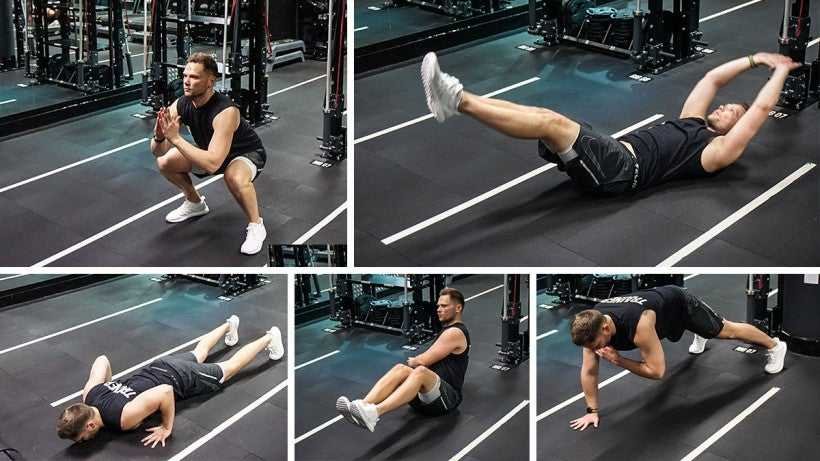
Looking to boost both strength and cardio with just your bodyweight? Bodyweight circuit training offers an efficient, versatile solution that requires no equipment and can be done anywhere. By combining quick, high-intensity movements with minimal rest, you can torch calories, build muscle, and improve your endurance all at once. It’s an ideal workout for busy schedules, fitness beginners, or anyone looking to add variety to their routine. In just a short session, you can push your body to the max and see results fast. This approach not only challenges your muscles but also amps up your heart rate, making it a perfect all-in-one workout. Ready to transform your fitness game? Let’s dive into how you can create an effective bodyweight circuit for strength and cardio that fits into your lifestyle.
A bodyweight circuit combines multiple exercises performed back-to-back with little rest, targeting both strength and cardiovascular health. It’s designed to maximize calorie burn and muscle engagement in a time-efficient manner. With strategic movements like push-ups, squats, burpees, and planks, you can achieve a comprehensive workout that elevates your fitness level without any equipment. Perfect for home or on-the-go training, this method keeps you engaged and progressing toward your goals.

Bodyweight Circuit Training for Strength and Cardio
What Is Bodyweight Circuit Training?
Bodyweight circuit training involves performing a series of exercises using only your body weight. These exercises are arranged in a sequence called a circuit, with little to no rest between each movement. This method is popular because it combines strength and cardio in a single workout, making it highly effective and convenient.
Why Choose Bodyweight Circuit Training?
Many prefer bodyweight circuit workouts because they need no special equipment or gym membership. They can be done anywhere — at home, outdoors, or while traveling. These workouts boost both muscular strength and cardiovascular endurance, offering a full-body session in a short time.
Key Benefits of Bodyweight Circuit Workouts
- Improves Muscle Strength and Endurance: Repetition of bodyweight movements challenges muscles, building strength over time.
- Boosts Cardiovascular Health: The continuous nature of circuits raises your heart rate, promoting a healthy heart.
- Burns Calories and Fat: Combining strength and cardio helps burn more calories during and after workouts.
- Enhances Flexibility and Balance: Many exercises improve mobility and stability, reducing injury risk.
- Cost-Effective and Accessible: No equipment means anyone can start immediately, anywhere.
Designing an Effective Bodyweight Circuit
Creating a good circuit requires selecting exercises that target different muscle groups and include cardio elements. A typical session lasts about 20 to 30 minutes, with 8 to 12 exercises performed in sequence.
Choosing the Right Exercises
Select 6 to 10 movements covering the major muscle groups: arms, legs, core, and chest. Include both strength-focused exercises and cardio moves to keep the intensity high.
Balancing Intensity and Rest
Perform each exercise for 30 to 60 seconds, with 10 to 20 seconds rest between movements. Adjust the time based on your fitness level, increasing duration as you get stronger.
Sample Circuit Structure
| Exercise | Duration | Muscle Focus |
|---|---|---|
| Jumping Jacks | 45 seconds | Cardio |
| Push-Ups | 30 seconds | Chest, arms |
| Bodyweight Squats | 45 seconds | Legs, glutes |
| Mountain Climbers | 40 seconds | Core, cardio |
| Lunges | 45 seconds | Legs, balance |
| Plank | 60 seconds | Core |
Sample Circuit Workout for Beginners
Beginners should start with fewer exercises and longer rest periods. Here’s a simple example:
- 10 Jumping Jacks
- 8 Knee Push-Ups
- 10 Bodyweight Squats
- 20 Seconds Plank
- Rest for 1 minute
- Repeat the circuit 2 to 3 times
Progressing Your Bodyweight Circuit Routine
As your fitness improves, increase exercise duration and circuit rounds. You can also add more challenging variations to the exercises or reduce rest time.
Advanced Exercise Variations
- Archer Push-Ups: A wider arm push-up that increases upper body strength.
- Pistol Squats: Single-leg squats building leg and core strength.
- Burpees: Full-body movement that combines squat, jump, and push-up for intense cardio.
- Plank to Push-Up: Transition from forearm to standard push-up to challenge your core and arms.
Tips for Maximizing Your Bodyweight Circuit Workouts
To get the most out of your sessions, keep the following tips in mind:
- Proper Form: Focus on technique to prevent injury and maximize effectiveness.
- Consistent Schedule: Aim for at least 3 workouts per week for steady progress.
- Warm Up and Cool Down: Include stretching and light cardio to prepare your muscles.
- Track Your Progress: Record workout details to stay motivated and see improvements over time.
- Stay Hydrated and Nourished: Support your workouts with proper hydration and balanced meals.
Sample Weekly Routine
This sample plan combines strength and cardio elements to ensure a balanced approach:
- Monday: Full circuit workout (40 minutes)
- Wednesday: Active recovery or light stretching
- Friday: Circuit with added intensity or new exercises
- Weekend: Outdoor activity or rest
Common Mistakes to Avoid
Avoid these pitfalls to ensure safety and effectiveness:
- Skipping Warm-Up: Always prepare your body for exercise.
- Poor Form: Sacrificing technique for speed can cause injuries.
- Overtraining: Rest days are essential for recovery and progress.
- Ignoring Rest Periods: Use rest to maintain proper form and intensity.
Additional Resources and Tools
Use apps, online videos, or fitness trackers to guide your workouts and stay motivated. Many free resources provide circuit plans and demonstrations suitable for all fitness levels.
Integrating Bodyweight Circuit Training into Your Lifestyle
The beauty of bodyweight circuits lies in their flexibility. They fit easily into busy schedules, require no travel, and can be adapted for any fitness level. Regular practice helps build a sustainable routine that improves both strength and cardiovascular health.
Incorporating bodyweight circuit training into your fitness regimen offers a powerful way to develop strength and boost endurance without equipment. By selecting the right exercises, balancing intensity, and maintaining consistency, you can achieve impressive results. These workouts are easy to modify, making them suitable for beginners and advanced athletes alike, ensuring ongoing progress and fitness enjoyment.
5 Bodyweight Cardio Exercises! 💥😅👊
Frequently Asked Questions
How can bodyweight circuit training improve cardiovascular health?
Bodyweight circuit training involves performing a series of exercises with minimal rest, which keeps your heart rate elevated throughout the workout. This continuous activity strengthens your heart and lungs, increasing their efficiency over time. As a result, your endurance improves, and you may notice better stamina during daily activities and other physical pursuits.
What are some effective bodyweight exercises to build overall strength?
To build strength using bodyweight exercises, focus on movements like push-ups, squats, lunges, planks, and burpees. These exercises target multiple muscle groups and can be easily modified to match your fitness level. Incorporating variations and increasing repetitions over time helps in progressively enhancing your muscular strength.
How should I structure a circuit workout for maximum cardio and strength benefits?
Start with a warm-up to prepare your muscles and joints. Select 4-6 exercises that target different muscle groups and include both strength and cardio elements. Perform each exercise for 30-60 seconds with minimal rest between movements, creating a continuous circuit. After completing one round, rest for 1-2 minutes, then repeat the circuit 2-3 times based on your fitness level. Gradually increase intensity by adding repetitions or reducing rest periods.
Can bodyweight circuit training help prevent injuries?
Yes, when performed with proper technique and appropriate progression, bodyweight circuit training can strengthen muscles, ligaments, and joints, which helps in reducing injury risk. It also improves flexibility and stability, contributing to overall body resilience. Always listen to your body and avoid overexertion to prevent strains or other injuries.
How frequently should I include bodyweight circuit workouts in my routine?
For optimal results, aim to perform bodyweight circuit training 3 to 4 times a week. Allow at least one rest day between sessions to enable muscle recovery. Consistency is key to building strength and enhancing cardiovascular fitness, so create a schedule that fits your lifestyle and gradually increase workout intensity over time.
Final Thoughts
Bodyweight circuit training for strength and cardio offers an efficient way to improve overall fitness without special equipment. It combines high-intensity movements with minimal rest, boosting endurance and muscle tone. This versatile approach fits into busy schedules, making regular exercise accessible.
By alternating exercises, you keep the workout engaging and effective. Consistency is key to seeing progress and enhancing both strength and cardiovascular health. Incorporate bodyweight circuit training into your routine for balanced fitness, convenience, and lasting results.
As an Amazon Associate, We earn from qualifying purchases. When you purchase a product through Amazon links on pulsefitguide.com, we may earn a small commission at no extra cost to you. This helps support the site and keep our content free.
