


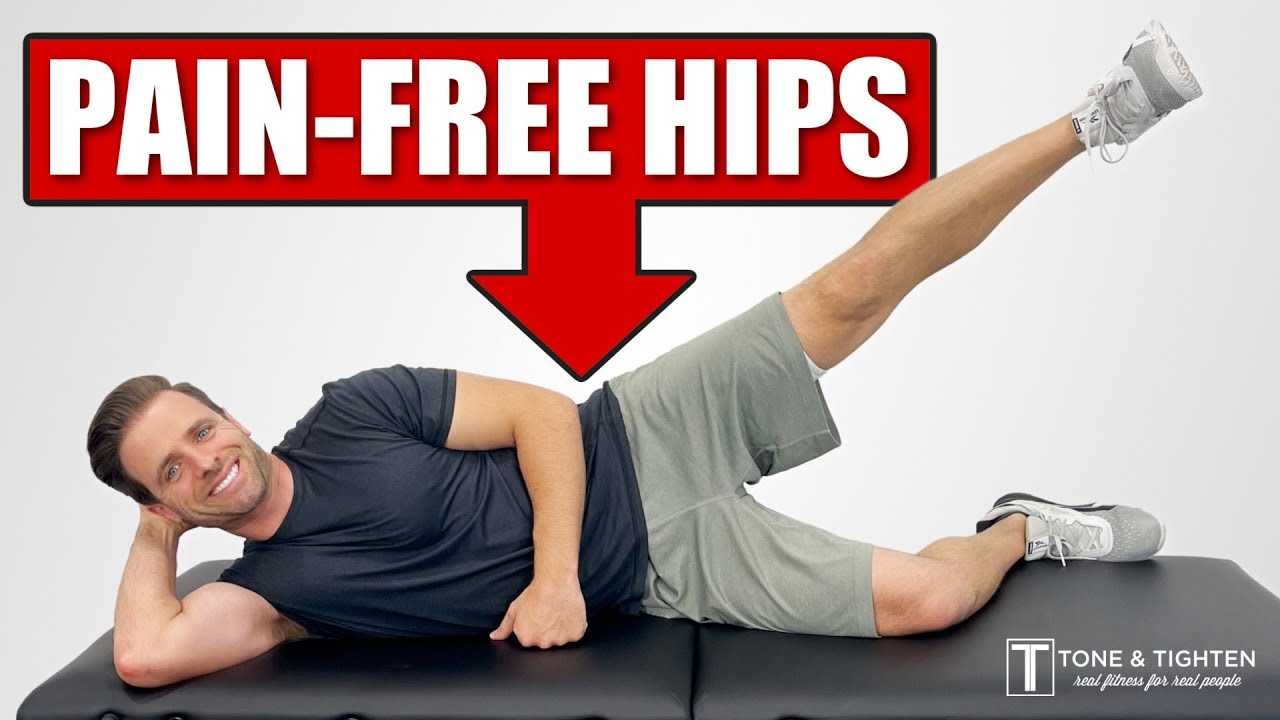
Kickstart your journey to powerful hips and legs with simple yet effective glute exercises that can be done anytime, anywhere! Strengthening these muscles not only boosts your athletic performance but also enhances stability and reduces injury risk. To improve your hips and legs, focus on exercises like squats, lunges, and glute bridges, which target your glutes, hamstrings, and quads. Consistent practice of these movements will lead to a more toned, resilient lower body. Remember, a balanced workout routine combined with proper form is key to maximizing results and preventing strain. Incorporate these exercises into your fitness regimen, and you’ll be surprised at how quickly your strength and confidence grow.
Looking to build stronger hips and legs? The best approach is to engage in targeted glute exercises such as squats, lunges, and bridges. These moves activate and strengthen your gluteal muscles, supporting better posture, stability, and power. Regularly incorporating these exercises into your workouts will lead to noticeable improvements in muscle tone and overall lower body strength, helping you perform daily activities with greater ease and reduce injury risk.

Glute exercises for stronger hips and legs
Understanding the Importance of Glute Strength
Strong glutes are essential for overall movement and stability. They support your hips, knees, and lower back, helping to prevent injuries. Well-developed glutes also improve posture and athletic performance.
Key Benefits of Glute Exercises
Incorporating glute exercises into your routine can boost your strength and endurance. They help in maintaining proper hip alignment and reducing lower back pain. Additionally, strong glutes contribute to better balance and coordination.
Basic Anatomy of the Glutes
Your glutes consist of three main muscles: gluteus maximus, gluteus medius, and gluteus minimus. The gluteus maximus is the largest and most visible muscle, responsible for hip extension and outward rotation. The gluteus medius and minimus are crucial for hip stabilization during movement.
Effective Glute Exercises for Beginners
Starting with simple exercises builds a solid foundation. Bodyweight moves like glute bridges and clamshells are perfect for beginners.
Glute Bridge
Lie on your back with knees bent and feet flat on the floor. Push through your heels to lift your hips toward the ceiling. Hold for a few seconds before lowering back down. Repeat for 10-15 reps to activate your glute muscles.
Clamshells
Lie on your side with knees bent at a 90-degree angle. Keep your feet together and lift your top knee while keeping hips stable. Perform 10-15 repetitions on each side to strengthen the gluteus medius.
Intermediate Glute Exercises to Enhance Strength
Once comfortable with basic moves, you can add resistance and complexity. These exercises target all glute muscles more intensely.
Squats
Stand with feet shoulder-width apart. Keep your chest up and back straight as you bend your knees and hips to lower into a sitting position. Push through your heels to return to standing. Aim for 12-20 reps.
Walking Lunges
Step forward with one leg and lower your hips until both knees are bent at 90 degrees. Push off the front foot to bring the back leg forward into the next lunge. Perform 10-15 repetitions per leg for maximum effectiveness.
Donkey Kicks
Start on all fours with hands under shoulders and knees under hips. Lift one leg, keeping the knee bent at 90 degrees, and kick upward. Lower the leg back down without touching the floor, then switch legs. Complete 12-15 reps per side.
Advanced Glute Exercises for Strength and Power
Advanced moves challenge your glutes further, building strength, size, and power.
Hip Thrusts
Sit on the ground with your back against a bench. Place a weight plate or barbell across your hips. Drive through your heels to lift your hips until your body is a straight line from shoulders to knees. Lower and repeat for 10-15 reps. This exercise is excellent for targeting the gluteus maximus.
Romanian Deadlifts
Stand with feet hip-width apart, holding a barbell or dumbbells. Keep your back flat and hinge at the hips, lowering weights while keeping your legs slightly bent. Feel the stretch in your hamstrings and glutes, then return to standing. Perform 10-12 reps.
Pistol Squats
Stand on one leg, extending the other leg forward. Lower into a squat position while keeping the non-weighted leg extended in front. Balance is key in this advanced move. Do 8-10 reps per leg.
Incorporating Cardio and Flexibility for Better Results
Adding cardio sessions like brisk walking or cycling helps burn fat and improves leg endurance. Flexibility exercises, including hip stretches, prevent tightness and enhance movement.
Hip Flexor Stretch
Kneel on one knee with the other foot in front, knee bent at 90 degrees. Push your hips forward gently, feeling a stretch in the front of your hip. Hold for 30 seconds on each side.
Hamstring Stretch
Sit on the ground with one leg extended and the other bent. Reach toward your toes to stretch the hamstring. Hold for 30 seconds and switch sides.
Tips for Maximizing Glute Gains
To see the best results, maintain proper form during exercises and gradually increase resistance. Incorporate a balanced diet rich in protein for muscle recovery. Rest days are essential to allow muscles to repair and grow.
Creating a Consistent Glute Workout Routine
Aim for at least three sessions per week, alternating between beginner, intermediate, and advanced exercises. Consistency is key to building strength and shaping your hips and legs.
Additional Resources for Better Results
Use resistance bands for added challenge during exercises like clamshells or bridges. Consider consulting a trainer for personalized guidance. Tracking your progress helps stay motivated and focused.
Summary of Key Glute Exercises and Their Focused Muscles
| Exercise | Main Muscles Worked | Difficulty Level |
|---|---|---|
| Glute Bridge | Gluteus Maximus | Beginner |
| Clamshells | Gluteus Medius and Minimus | Beginner |
| Squats | Gluteus Maximus, Quadriceps, Hamstrings | Intermediate |
| Walking Lunges | Gluteus Maximus, Quadriceps, Hamstrings | Intermediate |
| Donkey Kicks | Gluteus Maximus, Gluteus Medius | Intermediate |
| Hip Thrusts | Gluteus Maximus | Advanced |
| Romanian Deadlifts | Hamstrings, Gluteus Maximus | Advanced |
| Pistol Squats | Gluteus Maximus, Quadriceps, Hip Stabilizers | Advanced |
Focusing on these glute exercises helps develop stronger, more defined hips and legs. Combining strength training with cardio and stretching creates a balanced fitness routine. Remember, progress takes patience and consistency, so stay committed and enjoy your journey toward healthier, stronger hips and legs.
Hip Strengthening Workout🚀
Frequently Asked Questions
What are some effective bodyweight exercises to strengthen the glutes without equipment?
Bodyweight exercises like glute bridges, single-leg glute bridges, and donkey kicks are highly effective for strengthening the glutes. These exercises activate the glute muscles directly and can be performed anywhere. To increase difficulty, you can add pauses at the top of each movement or perform the exercises slowly to engage the muscles more intensely.
How can I safely incorporate weighted exercises into my routine to build stronger hips and legs?
Start by adding light weights such as dumbbells or kettlebells to your exercises like squats and lunges. Focus on proper form and gradually increase the weight as your strength improves. Always warm up before lifting weights and listen to your body to avoid overtraining or injury. Incorporating rest days helps muscles recover and grow stronger.
What are some common mistakes to avoid during glute-focused workouts?
Avoid letting your knees cave inward during squats and lunges, which can reduce the effectiveness and cause strain. Do not overextend your lower back or use momentum to complete movements. Ensuring proper form and controlled movements maximizes the benefits and reduces injury risk. Also, neglecting to engage your core can undermine your overall stability during exercises.
How often should I perform glute exercises to see noticeable improvements?
Performing glute exercises two to three times a week provides enough stimulus for muscle growth and strength gains. Allow at least 48 hours between sessions to enable muscles to recover. Consistency, combined with a balanced diet, plays a key role in achieving noticeable results over time.
Are there specific stretches that can help improve flexibility and prevent injuries during glute workouts?
Yes, dynamic stretches like leg swings and lunges help warm up the muscles before exercising. Static stretches such as hip flexor stretch, pigeon pose, and hamstring stretch after workouts enhance flexibility and reduce muscle tightness. Incorporating these stretches regularly can improve mobility and lessen the risk of strain or injury.
Final Thoughts
Glute exercises for stronger hips and legs build a solid foundation for overall fitness. They improve stability, enhance athletic performance, and reduce injury risk. Incorporating variations like squats, lunges, and hip thrusts keeps workouts engaging and effective. Consistency and proper form maximize results, helping you achieve stronger, healthier hips and legs.
As an Amazon Associate, We earn from qualifying purchases. When you purchase a product through Amazon links on pulsefitguide.com, we may earn a small commission at no extra cost to you. This helps support the site and keep our content free.
