


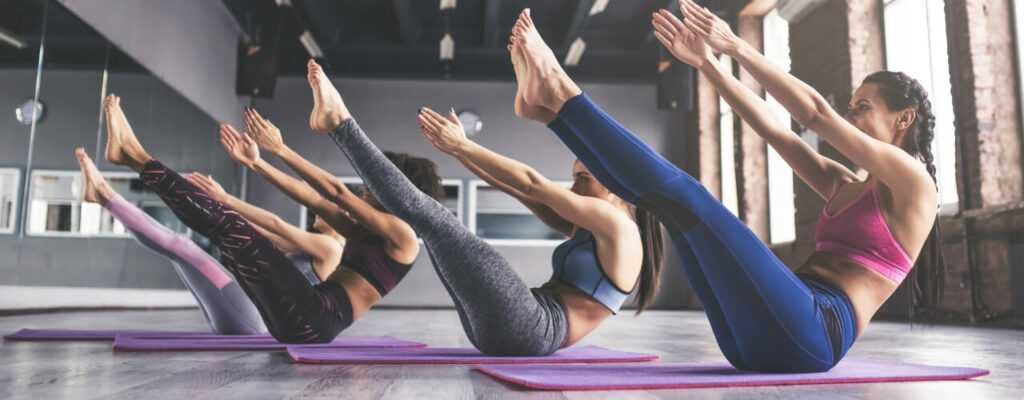
For a stronger core and better posture, a consistent Pilates routine focusing on targeted exercises can do wonders. Incorporating these routines into your daily schedule helps strengthen deep abdominal muscles and supports spinal alignment, reducing back pain and enhancing overall body awareness. Just 20-30 minutes a day can make a noticeable difference in how you hold yourself and move through everyday life.
Pilates routines designed for core and posture improvement are effective and easy to follow, emphasizing controlled movements and proper breathing. These exercises target core muscles like the transverse abdominis and pelvic floor while promoting spinal alignment, helping you stand taller and move more confidently.
Don’t let poor posture and a weak core hold you back—regular Pilates can transform your body from the inside out, making everyday activities more comfortable and reducing the risk of injury.

Pilates routines for core and posture improvement
Pilates is a popular exercise method that focuses on strengthening your core muscles and improving posture. These routines can help you stand taller, move more easily, and feel more confident. Whether you are a beginner or looking to deepen your practice, incorporating Pilates into your daily routine offers many benefits.
Understanding the importance of core strength
Your core includes the muscles in your abdomen, back, hips, and pelvis. These muscles support your spine and help you carry out daily activities smoothly. A strong core improves balance, reduces back pain, and enhances overall stability.
Why core strength matters
- It stabilizes your entire body during movement
- It prevents injuries, especially in the lower back
- It makes other exercises more effective
Signs you need to strengthen your core
- Frequent back discomfort
- Poor posture or slouching
- Feeling unsteady when standing or walking
- Weakness in the abdominal and back muscles
How Pilates enhances posture
Good posture involves aligning your head, shoulders, hips, and feet properly. Pilates emphasizes controlled movements and awareness of body alignment. Regular practice can correct poor posture habits and help maintain healthier spinal curves.
Postural benefits of Pilates
- Reduces strain on neck and shoulders
- Helps maintain proper spinal alignment
- Improves flexibility in tight muscles
- Boosts body awareness for better movement habits
Key Pilates exercises for core and posture
The Hundred
This classic move warms up your body and activates your core muscles. Lie on your back with knees bent and lift your head, shoulders, and arms off the ground. Pump your arms up and down while breathing in and out for a count of five each. Repeat until you complete 100 pumps.
The Roll-Up
Start lying flat with arms extended overhead. Slowly lift your arms as you peel your spine off the floor, reaching toward your toes. Reverse the movement to roll back down slowly. This exercise builds abdominal strength and spinal flexibility.
The Plank
Position yourself on your forearms and toes, keeping your body in a straight line. Engage your core, tighten your abdominal muscles, and hold the position. Planks enhance stability and strengthen your entire core.
Swimming
Lie on your stomach with arms extended forward. Lift your arms, chest, and legs off the ground slightly. Move your arms and legs in a fluttering motion, alternating sides. This targets your back muscles and improves posture endurance.
Creating an effective Pilates routine
Start with warm-up exercises
Warm-ups prepare your body for movement. Gentle breathing exercises and light stretches increase blood flow and loosen muscles. Examples include shoulder rolls and gentle spinal twists.
Focus on controlled movements
Pilates emphasizes slow, deliberate motions to maximize muscle engagement. Maintain focus on form and breathing to get the most benefit from each exercise.
Incorporate breathing techniques
Proper breathing supports core activation and relaxation. Inhale through the nose to prepare for movement, and exhale through the mouth or nose as you execute each exercise.
Progress gradually
Begin with basic exercises and slowly increase intensity. As your strength and coordination improve, add variations or longer durations to challenge your muscles.
Additional tips for best results
- Practice regularly, ideally three to four times a week
- Maintain a focus on posture throughout the day
- Combine Pilates with other low-impact activities like walking or swimming
- Use a mirror to monitor your form and alignment
- Stay mindful of your breathing to enhance muscle engagement
Equipment that can enhance your Pilates routines
- Mat: A comfortable, non-slip surface is essential for most routines
- Resistance bands: Add extra challenge to strength exercises
- Stability ball: Improves balance and engages core muscles more intensely
- Reformer machine: Offers adjustable resistance for more advanced practice
Adapting Pilates for different needs
Pilates for beginners
Start with fundamental exercises focusing on proper form and breathing. Gradually increase repetitions as you become more comfortable.
For those with back pain
Choose exercises that promote spinal stability and avoid movements that may strain the lower back. Consult with a healthcare provider if needed.
Pilates for seniors
Focus on gentle, controlled movements that improve flexibility, balance, and strength. Use modifications to accommodate limited mobility.
Incorporating Pilates routines into your daily life
Set aside a few minutes each day to perform simple routines. Consistency helps develop muscle memory and creates lasting improvements in posture and core strength.
Practicing in a quiet, comfortable space encourages focus and relaxation. Remember, progress takes time, so patience and persistence are key.
Combining Pilates with other health practices
For optimal results, pair Pilates routines with healthy eating, adequate hydration, and good sleep hygiene. Staying active beyond Pilates promotes overall wellness and balance.
Mind-body awareness through Pilates can also support stress reduction and mental clarity. These benefits contribute to a healthier, more balanced lifestyle.
25 MIN PILATES WORKOUT || Pilates For Better Posture & A Healthy Spine (Moderate)
Frequently Asked Questions
What specific Pilates exercises help improve posture over time?
Exercises like the Pilates hundred, shoulder bridge, and spine stretch are effective for enhancing posture. These routines strengthen the muscles supporting the spine and promote proper alignment. Consistent practice helps develop muscle memory, leading to better posture throughout daily activities.
How often should I incorporate Pilates routines to see noticeable core improvements?
Practicing Pilates exercises at least three times a week allows you to build strength and stability gradually. Regular sessions, even if they are 20 to 30 minutes long, can lead to significant improvements in core strength and posture clarity within a few weeks.
Are there modifications suitable for beginners to avoid strain during Pilates routines?
Yes, beginners should start with basic movements and avoid positions that cause discomfort. Using props like yoga blocks or straps can provide additional support. Focusing on controlled, slow movements ensures safe practice while gradually building strength and flexibility.
Final Thoughts
Pilates routines for core and posture improvement offer an effective way to strengthen your muscles and correct alignment. Regular practice boosts stability and reduces aches caused by poor posture.
Focusing on controlled movements enhances muscle engagement and awareness. Incorporate these routines into your daily schedule to see gradual, lasting results.
In summary, incorporating Pilates routines for core and posture improvement can lead to better alignment and overall well-being. Consistency is key to experiencing the full benefits of these exercises.
As an Amazon Associate, We earn from qualifying purchases. When you purchase a product through Amazon links on pulsefitguide.com, we may earn a small commission at no extra cost to you. This helps support the site and keep our content free.
