


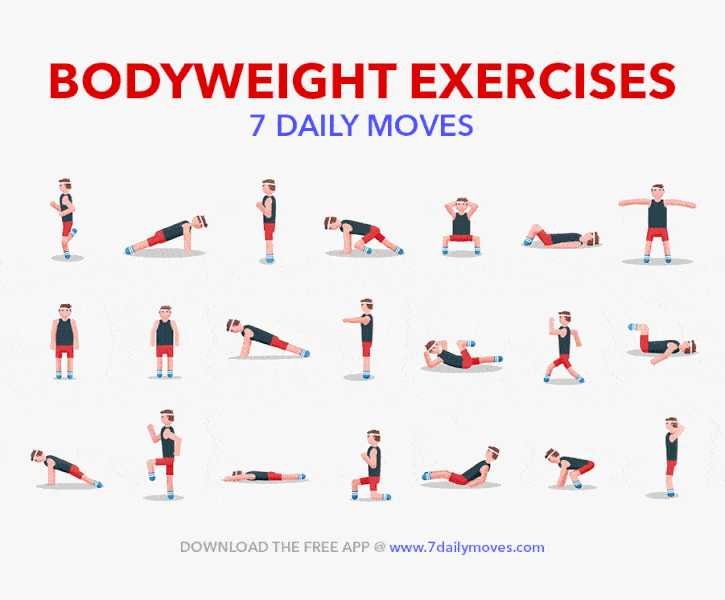
Looking to build muscle and boost your fitness without fancy equipment? Bodyweight strength training offers a simple, effective way to sculpt your body using just your own weight. Whether you’re a beginner or seasoned athlete, these exercises can be done anywhere, anytime, making them perfect for a busy lifestyle. The key is to focus on proper form and gradually increase intensity for maximum results.
In short, bodyweight exercises like push-ups, squats, and planks are powerful tools to develop strength, improve endurance, and enhance flexibility all in one workout. You don’t need a gym or weights—your own body is enough to achieve impressive fitness gains. Keep reading to discover the best bodyweight strength exercises and how to incorporate them into your routine for a healthier, stronger you.

Strength training exercises using body weight
What are bodyweight strength training exercises?
Bodyweight strength training exercises use your own body as resistance. They do not require weights or equipment, making them accessible anywhere. These exercises build muscle, improve stability, and boost overall fitness.
Advantages of bodyweight strength exercises
- Convenient and easy to do at home or outdoors
- Cost-effective since no equipment is needed
- Enhance functional strength for daily activities
- Improve balance, flexibility, and coordination
- Suitable for all fitness levels, from beginners to advanced athletes
Core principles of effective bodyweight training
Effective training focuses on proper form, controlled movements, and progressive overload. Gradually increasing repetitions or intensity helps muscles grow stronger. Rest days are essential for recovery and muscle growth.
Popular bodyweight exercises for strength training
There are many exercises targeting different muscle groups. Below, we explore some fundamental movements categorized by muscle focus.
Upper body strength exercises
The upper body muscles include the chest, back, shoulders, and arms. Key exercises include push-ups, dips, and planks.
Push-ups
Push-ups are excellent for chest, shoulders, and triceps. Start with hands shoulder-width apart on the floor. Keep your body straight and lower until your chest nearly touches the ground. Push back up to the starting position.
Dips
Dips target the triceps and chest. Use a sturdy chair or bench, place hands behind you, and lower your body until elbows form a 90-degree angle. Push back up to straighten arms.
Plank holds
Planks strengthen the shoulders, core, and back. Maintain a push-up position with forearms on the ground. Keep your body in a straight line and hold for as long as possible.
Lower body strength exercises
The lower body includes the glutes, quadriceps, hamstrings, and calves. Effective exercises are squats, lunges, and glute bridges.
Squats
Squats work the thighs, hips, and buttocks. Stand with feet shoulder-width apart. Bend your knees and hips to lower into a sitting position, keeping your chest up. Return to standing.
Lunges
Lunges target the legs and glutes. Step forward with one leg, lowering hips until both knees are bent at 90 degrees. Push back to the starting position and switch legs.
Glute bridges
Lie on your back with knees bent and feet flat on the ground. Raise your hips off the floor by squeezing your glutes. Lower slowly and repeat.
Core strength exercises
A strong core stabilizes the body and improves overall strength. Key exercises include sit-ups, leg raises, and mountain climbers.
Sit-ups
Lie on your back with knees bent. Engage your core and lift your upper body towards your knees. Lower slowly and repeat.
Leg raises
Lie on your back with legs extended. Lift legs towards the ceiling, keeping them straight. Lower slowly without touching the ground and repeat.
Mountain climbers
Start in a push-up position. Bring one knee towards your chest, then switch legs quickly. Maintain a brisk pace to increase core engagement.
Progressions and modifications for different fitness levels
Beginners can start with modified versions, such as knee push-ups or wall squats. Advanced individuals can increase repetitions, add explosive movements, or perform single-leg exercises. Adjust intensity based on strength and endurance.
Modifications for beginners
Use wall push-ups instead of standard push-ups. Perform chair squats or hold onto a support for balance. Focus on proper form before increasing intensity.
Advanced training tips
Add plyometric exercises like jump squats or clapping push-ups. Incorporate slow negatives or pause reps to increase time under tension. Increase repetitions or perform supersets for intensity.
Designing a bodyweight strength training routine
Creating a balanced program involves targeting all major muscle groups across the week. Start with 2 to 3 days per week, alternating workout days.
Sample weekly plan
- Monday: Upper body exercises
- Wednesday: Lower body exercises
- Friday: Core and full-body movements
Include warm-up and cool-down stretches in each session. Rest days are crucial for recovery and muscle growth.
Safety tips and common mistakes
Always prioritize proper form to avoid injuries. Avoid rushing through reps or sacrificing technique. Keep movements controlled and focused on muscle engagement.
Safety tips
– Warm up before exercise to prepare muscles and joints
– Engage core muscles during exercises
– Know your limits and avoid overtraining
– Consult a professional if unsure about techniques
Common mistakes to avoid
– Rounding the back during squats or bridges
– Using momentum rather than muscle control
– Neglecting to breathe properly
– Skipping warm-up and cool-down routines
Integrating bodyweight exercises into your fitness routine
Combine different movements to create variety and prevent plateaus. Mix strength training with cardio and flexibility exercises for a holistic approach.
Sample full-body workout
Perform 3 rounds of:
- 10 push-ups
- 15 squats
- 20-second plank
- 10 lunges per leg
- 15 leg raises
Rest for 1-2 minutes between rounds for optimal recovery.
Additional resources and tools
Many online videos and mobile apps provide guidance on bodyweight exercises. Tracking progress with a notebook or app can motivate consistency. Community groups can also offer support and encouragement.
Summary
Strength training exercises using body weight are effective, versatile, and accessible. They allow you to build muscle, improve stability, and increase endurance without equipment. By following proper techniques and gradually increasing intensity, anyone can enjoy the benefits of bodyweight strength training and include it in their regular fitness routine.
8 Bodyweight Exercises EVERYONE Should Do! (Hit Every Muscle)
Frequently Asked Questions
What are some effective body weight exercises for building upper body strength?
Push-ups, tricep dips, and pike push-ups are excellent exercises that target the muscles in your chest, shoulders, and arms. Regularly performing these movements helps increase muscle endurance and strength without needing any equipment. Focus on proper form and gradually increase repetitions to see consistent progress.
How can I modify body weight exercises to increase their difficulty?
To make body weight exercises more challenging, you can increase the number of repetitions or sets. Incorporate variations such as decline push-ups, single-leg squats, or explosive movements like clap push-ups. Adding pauses at the most challenging point of each exercise also enhances intensity and helps break through plateaus.
What are some common mistakes to avoid during body weight strength training?
Avoid neglecting proper form, which can lead to injuries and less effective workouts. Ensure your movements are controlled and deliberate, engaging the targeted muscles. Don’t rush through exercises; quality supersedes quantity. Additionally, skip stretching and warm-up routines to prevent strains and improve overall performance.
How often should I perform body weight strength training exercises for optimal results?
Perform strength training exercises three to four times per week, allowing at least one rest day between sessions. This frequency provides enough stimulus to build muscle while giving your body time to recover. Adjust the intensity and volume based on your fitness level and goals to avoid overtraining.
Can beginners benefit from body weight strength exercises, and how should they start?
Absolutely, body weight exercises are suitable for beginners as they require no equipment and allow for gradual progression. Beginners should start with basic movements like wall push-ups, assisted squats, and planks. Focus on mastering proper form, and increase difficulty gradually as strength improves. Consistency and patience are key to seeing results.
Final Thoughts
Strength training exercises using body weight offer a practical and effective way to build strength without equipment. These exercises improve muscle tone, endurance, and overall fitness in a short time. They are versatile and can be done anywhere, making them accessible to everyone. Incorporate movements like push-ups, squats, and planks into your routine for noticeable results. Consistency is key to gaining strength and staying healthy.
As an Amazon Associate, We earn from qualifying purchases. When you purchase a product through Amazon links on pulsefitguide.com, we may earn a small commission at no extra cost to you. This helps support the site and keep our content free.
