


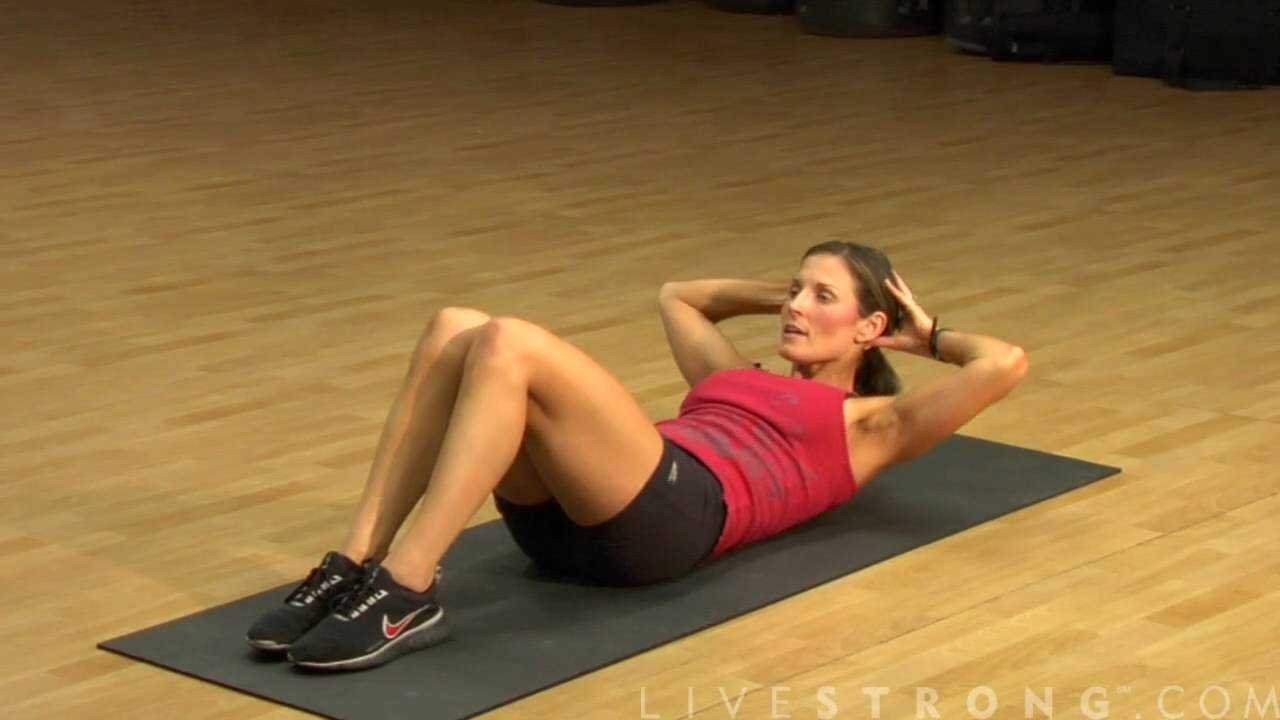
Crunches exercise is a popular workout move aimed at strengthening and toning your abdominal muscles. It involves lying on your back and lifting your shoulders off the ground using your core, focusing on engaging your abs. Think of it as a quick, effective way to carve out a flatter stomach and boost core strength.
In simple terms, crunches are core exercises that target the abdominal muscles by performing controlled crunching motions. They are widely used in fitness routines to build core stability and improve posture, making them a staple in many workout programs.
When you hear about crunches, it’s all about a straightforward movement that concentrates on your midsection, helping you burn belly fat and develop muscle definition. Whether you’re a beginner or an experienced athlete, mastering the basic crunch is essential for a strong, toned core.

What Is Meant by Crunches Exercise? An In-Depth Explanation
Crunches exercise is a popular workout that targets the muscles in your abdomen. It is often used to help build core strength and improve overall fitness. Many people incorporate crunches into their routine because they are simple and effective.
Understanding the Core Muscles
The core muscles are the muscles in your stomach, sides, and lower back. These muscles support your body during movement and help maintain good posture. Strong core muscles can reduce back pain and improve daily activities.
Crunches specifically work the rectus abdominis, the muscle that creates the “six-pack” look. They also engage the obliques, which are muscles on the sides of your abdomen.
How Do Crunches Exercise Work?
During crunches, you lift your upper body off the ground while keeping your lower body still. This movement contracts your abdominal muscles and helps strengthen them over time.
By repeatedly performing these movements, you tone your abs and develop muscle endurance. Proper technique is essential for maximizing benefits and avoiding injury.
Benefits of Doing Crunches
- Improves Core Strength: Builds the muscles that support your spine and pelvis.
- Enhances Posture: Strong abs help you sit and stand straight.
- Supports Other Exercises: A strong core improves your performance in sports and fitness routines.
- Aids in Weight Management: When combined with a healthy diet, crunches can help tone your midsection.
- Reduces Risk of Back Pain: Strengthening abdominal muscles stabilizes your lower back.
Different Types of Crunches
Standard Crunches
This is the basic form where you lie on your back, knees bent, and lift your shoulders off the ground.
Oblique Crunches
This variation targets your side abdominal muscles. Twist your torso slightly as you lift to engage obliques more effectively.
Reverse Crunches
Instead of lifting your shoulders, you curl your hips upward, focusing on lower abdominal muscles.
Vertical Leg Crunches
Lift your legs straight upward while performing crunches, increasing the challenge for your core muscles.
Proper Technique for Crunches
Lie flat on your back with knees bent and feet flat on the ground. Place your hands behind your head without pulling on it. Engage your core and lift your shoulders off the ground, exhaling as you do. Keep your lower back pressed into the floor. Lower slowly and repeat.
Avoid pulling on your neck and using momentum. Focus on controlled movements to maximize effectiveness and prevent strain.
Common Mistakes to Avoid When Doing Crunches
Many beginners make simple errors that reduce the exercise’s effectiveness or cause injury. Here’s what to watch for:
- Pulling on Your Neck: Use your core muscles, not your hands, to lift your shoulders.
- Using Momentum: Avoid swinging your body. The movement should be controlled and deliberate.
- Not Engaging the Core: Focus on contracting your abdominal muscles throughout each rep.
- Overextending the Neck: Keep your neck in a neutral position to prevent strain.
Incorporating Crunches Into Your Fitness Routine
How Often Should You Do Crunches?
Start with two to three sets of 10 to 15 repetitions. Gradually increase as your strength improves. Include crunches two to three times a week for noticeable results.
Combining Crunches with Other Exercises
Pair crunches with full-body workouts like planks, leg raises, and back extensions. This balanced approach ensures all core muscles strengthen evenly.
Additional Tips for Better Results
- Maintain Proper Form: Quality over quantity.
- Stay Consistent: Regular workouts produce the best results.
- Use A Proper Diet: Combine exercises with healthy eating for fat loss and muscle tone.
- Include Cardio: Activities like walking or cycling help reduce overall body fat.
Modifications and Variations for All Fitness Levels
For Beginners
Perform crunches with feet flat on the ground and hands supporting your head lightly. Focus on slow, controlled movements.
For Advanced Exercisers
Add weights or hold a medicine ball on your chest. Try bicycle crunches or weighted crunches for increased intensity.
For Those with Back Issues
Consult a fitness professional. Alternatives like planks or bird-dogs can build core strength safely without crunches.
Safety Precautions and Tips
Always warm up before exercising to prepare your muscles. Stop if you feel pain or discomfort. Keep your movements smooth and controlled to prevent injury. Regularly stretch your abdominal and back muscles after workouts.
Consult a healthcare provider if you have pre-existing health issues or concerns about starting a new exercise routine.
Summary of Key Points
| Aspect | Details |
|---|---|
| Muscle Focus | Rectus abdominis, obliques |
| Benefits | Core strength, posture, back support |
| Common Mistakes | Pulling neck, using momentum, poor form |
| Frequency | 2-3 times weekly |
| Variations | Standard, oblique, reverse, leg lift |
Crunches exercise is an excellent way to strengthen your abdominal muscles and improve core stability. When performed correctly and consistently, they can contribute to a healthier back, better posture, and a toned midsection. Incorporate different types of crunches and combine them with complementary workouts for the best results. Remember, patience and proper technique are key to achieving your fitness goals safely and effectively.
Crunches Tips #abworkout #abs #sixpackabs #fitness
Frequently Asked Questions
What does performing crunches involve?
Performing crunches involves lying on your back with your knees bent and feet flat on the floor. You place your hands behind your head or across your chest and then lift your upper body toward your knees by engaging your abdominal muscles. This movement primarily targets the rectus abdominis, helping to strengthen and tone the core muscles.
How do crunches help improve core strength?
Crunches activate the muscles in your abdomen, which are essential for maintaining stability and supporting your spine. Regularly doing crunches enhances muscle endurance and strength, leading to better posture, balance, and overall functional movement.
What muscles are primarily worked during crunches?
The primary muscles engaged during crunches are the rectus abdominis, the muscle responsible for the “six-pack” appearance. Secondary muscles include the obliques and the transverse abdominis, which assist in rotational movements and stabilize your core.
Can crunches help in reducing belly fat?
Crunches strengthen and tone abdominal muscles but do not directly burn belly fat. To reduce overall body fat, including around the stomach, combine regular cardiovascular exercises with a balanced diet alongside strength training, including crunches.
Final Thoughts
Crunches exercise involves lying on your back and lifting your upper body using your abdominal muscles. It effectively targets the core and helps improve muscle tone. Many athletes and fitness enthusiasts include it in their routines for enhanced strength.
What is meant by crunches exercise clearly refers to a simple yet effective abdominal workout. It emphasizes engaging the core muscles to achieve better stability and a toned appearance. Understanding this can motivate you to incorporate crunches into your daily fitness practice.
As an Amazon Associate, We earn from qualifying purchases. When you purchase a product through Amazon links on pulsefitguide.com, we may earn a small commission at no extra cost to you. This helps support the site and keep our content free.
