


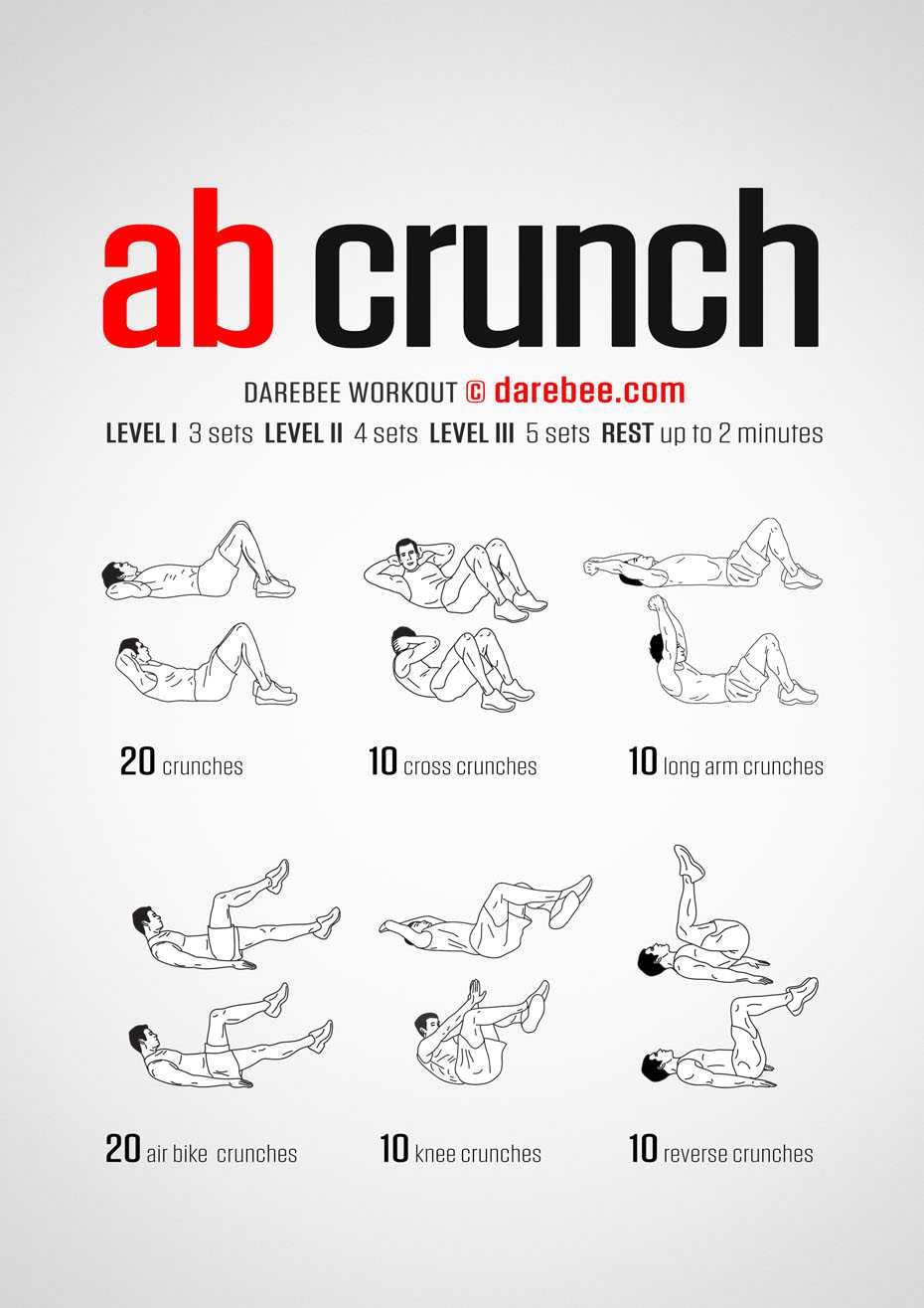
Abdominal crunches are a popular exercise aimed at strengthening and toning your core muscles, especially the abdominal muscles. They help improve posture, support spine health, and can contribute to a flatter stomach with consistent practice. This exercise involves lifting your upper body off the ground while lying on your back, engaging your abdominal muscles to perform the movement efficiently.
In essence, abdominal crunches are a simple yet effective way to target your core muscles, making them a staple in many workout routines. They are easy to do at home or in the gym, requiring minimal equipment, and can be modified to suit various fitness levels.
Abdominal crunches are a fundamental core exercise designed to strengthen the abdominal muscles. They involve lying on your back and lifting your shoulders towards your knees, effectively engaging the midsection. This movement not only helps in toning the abs but also enhances overall core stability, which is crucial for everyday activities and athletic performance. Whether you’re aiming for a toned stomach or improving your posture, crunches can be a valuable addition to your fitness regimen.

What is Abdominal Crunches Exercise?
Abdominal crunches are a common exercise that targets the muscles in your stomach. They are simple to do and can be performed almost anywhere. Many people do crunches to help develop stronger, more defined abdominal muscles.
Understanding the Purpose of Abdominal Crunches
The main goal of abdominal crunches is to strengthen and tone the core muscles. Your core includes not only your abdominal muscles but also your lower back and hips. Strengthening these muscles helps improve posture and supports everyday movements.
How Abdominal Crunches Work
Crunches primarily activate the rectus abdominis muscles, which run vertically down your belly. When you lift your shoulders and upper back during the exercise, these muscles contract. This contraction helps to tighten and define your abs over time.
Benefits of Incorporating Crunches into Your Fitness Routine
- Improved Core Strength: Crunches help stabilize your body, making daily activities easier.
- Enhanced Posture: Strong abdominal muscles support proper spinal alignment.
- Injury Prevention: A solid core reduces the risk of back injuries during other physical activities.
- Better Athletic Performance: Core strength contributes to improved balance and power in sports.
Types of Abdominal Crunches
Traditional Crunches
The classic crunch involves lying on your back with knees bent and lifting your shoulders off the ground. It’s simple and effective for targeting the front abdominal muscles.
Bicycle Crunches
This variation involves alternating elbow to knee touches while pedaling your legs. It works your oblique muscles along with your core.
Reverse Crunches
Instead of lifting your shoulders, reverse crunches focus on bringing your hips towards your chest. This targets the lower abs more effectively.
Oblique Crunches
By twisting your torso during the crunch, you can target your side abdominal muscles called obliques. This helps create a more sculpted waistline.
Proper Technique for Performing Abdominal Crunches
Starting Position
Lie flat on your back with knees bent and feet flat on the floor. Keep your hands gently behind your head or across your chest. Engage your core before starting.
Execution Phase
Slowly lift your shoulders off the ground by contracting your abdominal muscles. Avoid pulling on your neck and focus on using your abs. Hold the position at the top for a moment before lowering back down.
Breathing Tips
Breathe out as you lift your shoulders and breathe in as you lower back down. Proper breathing helps maintain control and maximizes effectiveness.
Common Mistakes and How to Avoid Them
- Pulling on the Neck: This can cause neck strain. Keep your hands light and avoid applying pressure to your head.
- Using Momentum: Swinging your body to lift up reduces effectiveness. Use slow, controlled movements.
- Not Engaging the Core: Forgetting to tighten your abs diminishes results. Focus on contracting your muscles during each rep.
- Overdoing It: Excessive repetitions can lead to fatigue and poor form. Start with manageable sets and increase gradually.
Guidelines for Safe and Effective Workouts
Begin with a set of 10 to 15 crunches and gradually increase as your strength improves. Ensure you rest between sets and listen to your body. Consistency is key for visible results.
Modifications and Variations for Different Fitness Levels
For Beginners
- Simplify by performing less intense crunches or supported crunches with a stability ball.
- Reduce the number of repetitions until comfortable.
For Advanced Levels
- Increase repetitions or add resistance with weights.
- Incorporate more challenging variations like weighted crunches or stability ball crunches.
Incorporating Crunches into a Broader Fitness Program
While crunches improve core strength, balancing your workout with cardio, strength training, and flexibility exercises yields better overall fitness. Combining different workouts can prevent plateau and keep your routines interesting.
Additional Tips for Maximizing Results
- Maintain a Healthy Diet: Nutrition impacts how visible abdominal muscles are. Focus on balanced eating.
- Stay Consistent: Regular exercise produces better, lasting results over time.
- Engage Your Entire Core: Combine crunches with planks and other core exercises for comprehensive development.
Related Exercises to Enhance Core Strength
Planks
Planks strengthen your entire core, including deeper muscles that crunches might miss. They also improve posture and stability.
Leg Raises
This exercise targets the lower abs specifically and complements crunches by providing variety to your core workout.
Russian Twists
These help develop oblique muscles, enhancing waistline definition and rotational core strength.
Equipment You Might Use
- Mat or Yoga Mat: Provides comfort and support while performing crunches.
- Stability Ball: Adds challenge and support for various crunch variations.
- Weights: Can be added to increase resistance for advanced users.
Frequency and Duration of Crunches
For most people, doing crunches three to four times a week with 2-3 sets of 10-20 repetitions is effective. Rest days allow your muscles to recover and grow stronger.
Understanding what abdominal crunches exercise entails helps you perform them correctly and safely. Consistent practice, proper technique, and combining different core exercises support your fitness goals. Remember to balance crunches with overall physical activity and good nutrition for the best results. Whether you want a flatter stomach or stronger core, crunches are a simple, effective tool in your workout arsenal.
How to Do: ABDOMINAL CRUNCHES
Frequently Asked Questions
How do abdominal crunches help improve core strength?
Abdominal crunches target the rectus abdominis muscle, which is a key part of your core. By engaging these muscles through controlled movements, you strengthen the overall stability of your core. This helps improve posture, balance, and support for daily activities and other exercises.
What muscles are primarily worked during abdominal crunches?
The primary muscles worked during abdominal crunches are the rectus abdominis and the obliques. These muscles are responsible for flexing the spine and assisting in twisting movements. Engaging these muscles effectively leads to better abdominal muscle tone and supports proper spinal alignment.
Are there any common mistakes to avoid when performing abdominal crunches?
Yes, common mistakes include pulling on the neck or head, using momentum instead of muscle engagement, and not maintaining proper form. To perform crunches effectively, keep your lower back pressed into the floor, avoid jerky movements, and focus on using your abdominal muscles to lift your upper body rather than relying on your neck or arms.
Can abdominal crunches help in reducing belly fat?
While abdominal crunches strengthen and define your abdominal muscles, they alone do not significantly reduce belly fat. Combining crunches with a balanced diet and overall cardiovascular exercise helps burn calories and reduce fat around the abdomen more effectively.
How many repetitions of abdominal crunches should I do for good results?
For effective results, aim for 2 to 3 sets of 15 to 20 repetitions. Focus on quality over quantity, ensuring each crunch is performed with proper form. As you build strength, you can gradually increase the number of repetitions or add variations to challenge your muscles further.
Final Thoughts
Abdominal crunches exercise targets the abdominal muscles, helping strengthen and tone the core. It involves lying on your back and lifting your upper body towards your knees using your abdominal muscles. This simple yet effective movement enhances muscle endurance and stability.
In conclusion, what is abdominal crunches exercise? It is a fundamental core workout that improves strength, stability, and overall fitness. Incorporating this exercise into your routine benefits your core health and physical performance.
As an Amazon Associate, We earn from qualifying purchases. When you purchase a product through Amazon links on pulsefitguide.com, we may earn a small commission at no extra cost to you. This helps support the site and keep our content free.
