


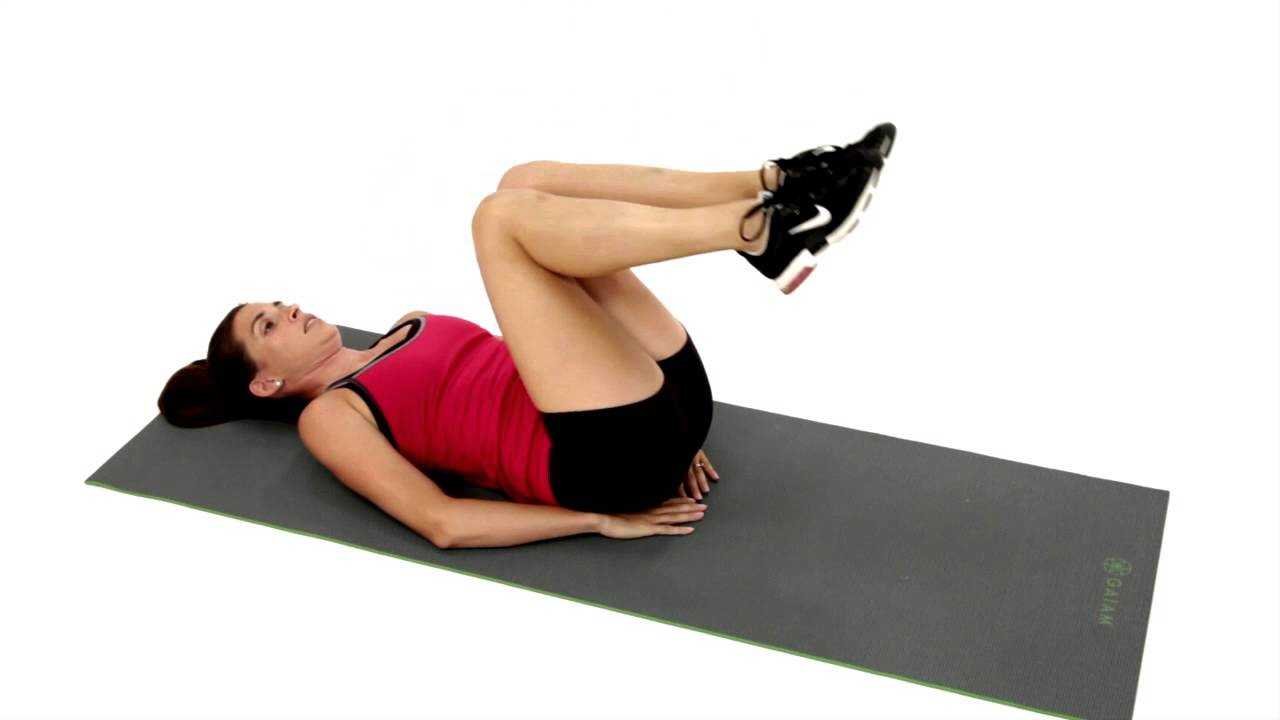
A reverse crunches exercise is a smart move to target the lower abs and boost core strength. It involves lifting your hips off the ground by curling your pelvis upward, rather than crunching forward like traditional sit-ups. This move is effective for toning your midsection and reducing lower belly fat when combined with a healthy lifestyle.
In short, reverse crunches are a core workout that primarily focuses on tightening the lower abdominal muscles through controlled leg and hip movements. It’s a beginner-friendly exercise that can be done anywhere, making it a popular choice for those looking to strengthen their core without putting strain on the neck or back. Whether you’re aiming for a flatter belly or better posture, incorporating reverse crunches into your routine can help you achieve your fitness goals efficiently.
If you’re wondering what exactly a reverse crunches exercise is, it’s a simple yet powerful abdominal move that emphasizes the lower part of your core. Unlike traditional crunches that target the upper abs, reverse crunches involve lying on your back and using your lower abs to lift your hips off the floor as you curl your pelvis inward. This exercise not only helps in sculpting a toned stomach but also improves overall core stability, which is essential for everyday movements and preventing back pain. Easy to perform and low-impact, reverse crunches can be a key addition to your workout plan, especially if you want to focus on the lower abdominal area.

What is a Reverse Crunches Exercise
The reverse crunches exercise is a popular move among people who want to strengthen their abdominal muscles. It specifically targets the lower part of your stomach, making it a great addition to any core workout. Many find it simple to do but highly effective at building core strength and stability.
Understanding the Basic Concept of Reverse Crunches
Unlike traditional crunches that involve lifting your upper body, reverse crunches focus on lifting your hips off the ground. This movement engages the lower abdominal muscles more directly. The goal is to curl your pelvis upward towards your chest while keeping your upper body stationary.
How Reverse Crunches Differ from Other Abdominal Exercises
Traditional crunches primarily work the upper abs, whereas reverse crunches emphasize the lower abs. Planks and sit-ups work the entire core, but reverse crunches isolate the lower abdominal area. This targeted approach helps create a toned, balanced look in your stomach.
Step-by-Step Guide to Performing Reverse Crunches
Preparation and Positioning
Lie flat on your back on a comfortable surface such as a mat. Keep your arms at your sides with palms facing down for support. Bend your knees so your feet are flat on the ground, about hip-width apart. Your legs should be relaxed, ready for the movement.
Performing the Reverse Crunch
- Engage your core and press your lower back into the ground. This stability helps prevent strain on your spine.
- Pull your knees towards your chest slowly while lifting your hips off the ground.
- Focus on curling your pelvis up and in, rather than just swinging your legs.
- Pause briefly at the top of the movement, feeling the contraction in your lower abs.
- Slowly lower your hips back to the starting position in a controlled manner.
Key Tips for Effectiveness and Safety
- Keep your movements controlled to maximize muscle engagement.
- Do not use momentum to lift your hips; rely on your abdominal muscles.
- Breath out as you lift your hips and breathe in as you lower them.
- Do not pull on your neck or shoulders—focus on core activation instead.
- Start with few repetitions, then gradually increase as your strength improves.
Benefits of Including Reverse Crunches in Your Workout
Adding reverse crunches to your fitness routine offers several advantages. They help strengthen the lower abs, improve core stability, and boost overall athletic performance. Additionally, this exercise can assist in reducing lower belly fat when combined with a healthy diet and other workouts.
Common Mistakes and How to Avoid Them
Pushing the Legs Too Far
Some people try to lift their legs too high, which can strain the lower back. Keep the movement within a comfortable range that feels natural and controlled.
Using Momentum Instead of Muscle
Swinging your legs or hips can reduce effectiveness and increase injury risk. Focus on slow, deliberate movements to maximize engagement of abdominal muscles.
Neglecting Proper Breathing
Holding your breath during the exercise is common but can lead to unnecessary strain. Remember to exhale during the lift and inhale when lowering your hips.
Variations to Keep Your Routine Interesting
Reverse Crunch with a Twist
Perform the traditional reverse crunch but add a twist by turning your hips slightly to one side at the top. This engages oblique muscles for a more comprehensive core workout.
Weighted Reverse Crunch
Hold a light weight or a medicine ball against your chest while performing the exercise. This increases resistance and builds muscle strength more effectively.
Reverse Crunch with an Elevated Seat
Use an incline bench or stability ball to perform reverse crunches. Elevating your hips enhances the range of motion and challenges your muscles further.
Incorporating Reverse Crunches into Your Fitness Routine
For optimal results, include reverse crunches three to four times a week as part of your core workout. Combine them with other exercises like planks, leg raises, and Russian twists for a well-rounded core.
Precautions and Who Should Avoid Reverse Crunches
If you have lower back pain or chronic spinal issues, consult a healthcare professional before attempting reverse crunches. Modifications may be necessary to prevent strain or injury.
Additional Tips for Maximizing Benefits
- Warm up before starting your workout to prepare your muscles.
- Maintain a consistent breathing pattern to ensure proper oxygen flow.
- Focus on form rather than speed to prevent injury and enhance muscle activation.
- Stretch your core muscles after exercising to improve flexibility and reduce soreness.
Summary
The reverse crunch exercise is a straightforward yet powerful move for targeting lower abdominal muscles. Proper technique, regular practice, and gradual progression improve core strength and help shape your midsection. Remember to avoid common mistakes and modify the exercise as needed to suit your fitness level.
How To Do A Reverse Crunch
Frequently Asked Questions
How does a reverse crunch target the abdominal muscles differently from other core exercises?
Reverse crunch focuses on lifting the lower part of the abdomen by curling the hips towards the chest. Unlike traditional crunches that primarily target the upper abs, reverse crunch emphasizes the lower abs and enhances overall core stability. This movement helps activate muscles that are often underworked in other exercises, leading to improved muscle tone in the lower stomach area.
What are the key steps to perform a reverse crunch with proper form?
Start by lying flat on your back with your arms at your sides or under your hips for support. Bend your knees at a 90-degree angle and lift your feet off the ground. Engage your core muscles and curl your hips upward, lifting your lower back off the floor. Keep your shoulders relaxed and avoid using momentum. Slowly lower your hips back to the starting position, maintaining control throughout the movement.
Can beginners incorporate reverse crunches into their workout routine safely?
Yes, beginners can safely include reverse crunches in their routine. It’s important to focus on maintaining proper form and controlled movements. Beginners should start with fewer repetitions and ensure they do not strain their neck or back. As strength improves, they can gradually increase the number of reps or add variations to keep challenging their core.
What are some common mistakes to avoid when doing reverse crunches?
Common mistakes include using momentum to lift the hips, which reduces effectiveness and increases the risk of injury. Another mistake is not engaging the core properly, resulting in reliance on the hip flexors. Additionally, lifting the shoulders off the ground can strain the neck. Focus on controlled movements, keep the lower back pressed into the floor, and use your abdominal muscles to initiate the movement.
Final Thoughts
A reverse crunches exercise targets the lower abdominal muscles effectively. It involves lying on your back, lifting your hips off the ground, and curling your knees towards your chest. This move emphasizes core strength while putting less strain on the neck.
Performing reverse crunches regularly can improve core stability and help define your abdominal muscles. It’s simple, yet highly effective for fitness enthusiasts of all levels.
In conclusion, what is a reverse crunches exercise? It is a focused abdominal workout that strengthens the lower abs with controlled movements. Incorporate it into your routine for noticeable core improvements.
As an Amazon Associate, We earn from qualifying purchases. When you purchase a product through Amazon links on pulsefitguide.com, we may earn a small commission at no extra cost to you. This helps support the site and keep our content free.
