


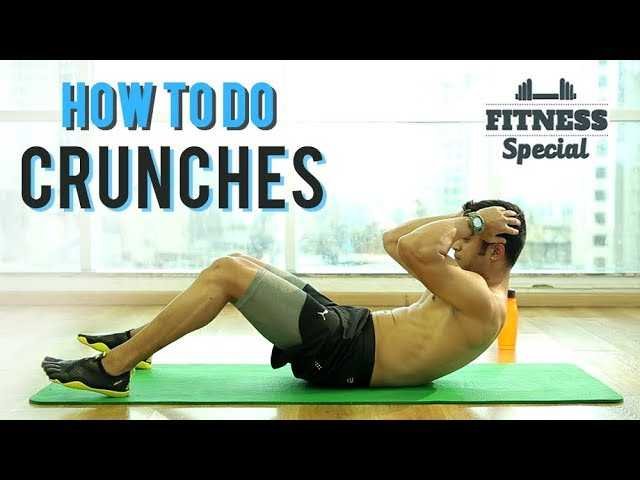
Crunches are a popular exercise for toning your abdominal muscles, helping to sculpt a stronger core and improve posture. They are simple, effective, and can be done almost anywhere without equipment. In just a few minutes a day, crunches can help you achieve a flatter stomach and boost your overall fitness level.
Crunches are a basic core exercise that involve lying on your back and lifting your upper body towards your knees using your abdominal muscles. They target the rectus abdominis, the muscle responsible for the six-pack look, making them a go-to move for core strengthening. Whether you’re a beginner or an experienced athlete, crunches are a quick and efficient way to enhance your core stability and support other physical activities. Just remember, proper form is key to avoid strain and maximize results.

What Crunches Exercise: A Complete Guide to Effective Core Workouts
Understanding the Basics of Crunches
Crunches are one of the most popular exercises to strengthen the abdominal muscles. They focus on the core, helping to build a toned and defined stomach. The movement involves curling the upper body towards the knees while lying on your back.
Why Are Crunches Important?
Crunches play a vital role in improving core strength. A strong core supports better posture, stability, and balance. Additionally, they can help reduce the risk of back pain and enhance athletic performance.
How Do Crunches Work?
During a crunch, the rectus abdominis muscles contract, lifting your shoulders off the ground. This movement engages the abdominal muscles intensely. Proper technique ensures maximum benefit and reduces injury risk.
Proper Technique for Doing Crunches
- Lie flat on your back with knees bent and feet flat on the floor.
- Place your hands lightly behind your head or across your chest.
- Engage your core and lift your shoulders off the ground using your abdominal muscles.
- Keep your neck relaxed and avoid pulling on your head.
- Lower back down slowly and repeat.
Common Mistakes to Avoid
Many people make mistakes that lessen crunch effectiveness or cause injury. Avoid pulling on your neck, using momentum instead of muscles, or lifting too high. Focus on controlled movements and proper form for best results.
Variations of Crunches for Different Fitness Levels
Standard Crunches
These are the basic crunches described above, suitable for beginners. They target the upper abs effectively.
Bicycle Crunches
Lie on your back, lift your legs, and alternate touching your elbows to opposite knees. This variation works the obliques and entire abdominal area.
Reverse Crunches
Lift your hips off the ground while bringing your knees towards your chest. They emphasize the lower abs.
Oblique Crunches
Perform crunching motions while twisting your torso to target the oblique muscles on the sides of your abdomen.
Weighted Crunches
Hold a weight plate or dumbbell on your chest for added resistance. This helps increase strength and muscle growth.
Benefits of Doing Crunches Regularly
- Improved core stability and balance
- Enhanced posture and reduced back pain
- Visible abdominal muscle definition
- Better athletic performance
- Support for other physical activities
Frequency and Repetitions for Optimal Results
For beginners, aim for two to three sets of 10 to 15 repetitions. As you progress, increase the number of sets or add resistance. Consistency is key to seeing noticeable improvements.
Incorporating Crunches into a Full-Body Workout
Crunches should be part of a balanced fitness program that includes cardiovascular workouts, strength training, and flexibility exercises. Combining these elements boosts overall health and fitness levels.
Additional Core Exercises to Complement Crunches
- Planks: Improve overall core endurance
- Leg Raises: Target lower abs
- Russian Twists: Engage oblique muscles
- Mountain Climbers: Combine cardio and core work
Safety Tips for Doing Crunches
Ensure you warm up before exercising and stretch afterward. Always listen to your body and avoid straining your neck or back. Use a mirror if needed to check your form.
Equipment Needed for Crunches
Most crunches can be performed on a flat surface without equipment. For added resistance, use weights, resistance bands, or stability balls. A comfortable workout mat also enhances safety and comfort.
How to Progress with Crunches
Start with basic crunches and gradually increase repetitions or add variations. Incorporate resistance training and increase workout frequency for continual progress. Tracking your workouts can help monitor improvements.
Related Topics to Explore
Core Strengthening Exercises
Explore exercises like planks, bridges, and side planks to build a strong core.
Healthy Diet for Visible Abs
Combine your workouts with a balanced diet rich in proteins, fruits, and vegetables to reduce body fat and reveal abdominal muscles.
Tips for Staying Motivated
Set realistic goals, vary your workouts, and find a workout buddy to stay committed to your fitness journey.
Summary
Crunches are a simple yet effective way to strengthen your abdominal muscles and improve core stability. Proper form, variation, and consistency are essential for maximizing benefits and avoiding injury. Incorporate crunches into your regular fitness routine alongside other workouts for comprehensive core development and overall health.
Crunches Tips #abworkout #abs #sixpackabs #fitness
Frequently Asked Questions
What muscles do crunches primarily target?
Crunches mainly focus on strengthening the rectus abdominis, which is the muscle that runs vertically along the front of your abdomen. They also engage the obliques, located on the sides of your torso, and to a lesser extent, the transverse abdominis, which helps support your core. Performing crunches regularly helps build core stability and enhances abdominal muscle tone.
Are there different variations of crunches to target specific areas?
Yes, there are several crunch variations designed to target different parts of your abdominal muscles. For example, oblique crunches focus on the side muscles, helping to define your waistline. Reverse crunches target the lower abs, while traditional crunches mainly work the upper abdominal muscles. Incorporating these different types can lead to a more comprehensive core workout.
What precautions should I take when doing crunches to avoid injury?
To prevent strain or injury during crunches, ensure you perform the movements with proper form. Keep your neck relaxed and avoid pulling on your head or neck. Engage your core muscles throughout the exercise and do not use momentum to lift your shoulders. Start with a manageable number of repetitions and gradually increase as your strength improves. If you experience any discomfort or pain, stop immediately and consult a fitness professional or healthcare provider.
How many crunches should I do for effective abdominal training?
The number of crunches varies depending on your fitness level and goals. Beginners can start with 2-3 sets of 15-20 repetitions, focusing on proper form. As you build strength, you can gradually increase the number of reps or add variations to challenge your core further. Consistency is key for seeing improvement, so incorporate crunches into your regular workout routine.
Can crunches help reduce belly fat?
Crunches strengthen and define the abdominal muscles but do not directly burn belly fat. To reduce fat around your midsection, combine targeted exercises like crunches with overall body workouts and maintain a healthy diet. Incorporating cardio activities and strength training helps create a calorie deficit, which is essential for fat loss. Remember, spot reduction is a myth; a balanced approach yields the best results.
Final Thoughts
In summary, what crunches exercise involves lying on your back and lifting your shoulders off the ground by engaging your core muscles. This simple yet effective move targets the abdominal area and helps improve core strength. Including crunches in your workout routine can lead to better posture and increased stability. Overall, understanding what crunches exercise entails allows you to perform them correctly and efficiently for optimal results.
As an Amazon Associate, We earn from qualifying purchases. When you purchase a product through Amazon links on pulsefitguide.com, we may earn a small commission at no extra cost to you. This helps support the site and keep our content free.
