


Starting your day with a simple sit-up or crunch can be a game-changer for your core strength. These exercises are quick, effective, and can be easily incorporated into your routine to sculpt your abs and boost overall fitness. Want to know the best way to do them safely and maximize results? Keep reading!
**Briefly, sit-ups and crunches are fundamental core exercises that target your abdominal muscles. While sit-ups engage more muscles overall and burn calories, crunches focus specifically on the abs, making them ideal for toning. Combining both can enhance your core stability and physique efficiently.**
If you’re looking to strengthen your core with sit-ups and crunches, it’s crucial to perform them with proper form to avoid injury and achieve the best results. These exercises are popular because they don’t require equipment, making them accessible for everyone, from beginners to advanced fitness enthusiasts. However, understanding the differences, benefits, and correct techniques can help you get more from your workout and keep your core muscles engaged and safe.

Sit ups and crunches exercise: A comprehensive guide to strengthening your core
Understanding the importance of sit ups and crunches exercise
Both sit ups and crunches are popular exercises that target your core muscles. Strong core muscles help improve your posture, balance, and overall strength. Regularly practicing these exercises can also reduce the risk of back pain and injuries.
Before diving into the exercises, it’s essential to understand the muscles involved. The main muscles worked include the rectus abdominis, obliques, and transversus abdominis. These muscles are crucial for movement and stability in daily activities.
Differences between sit ups and crunches
What are sit ups?
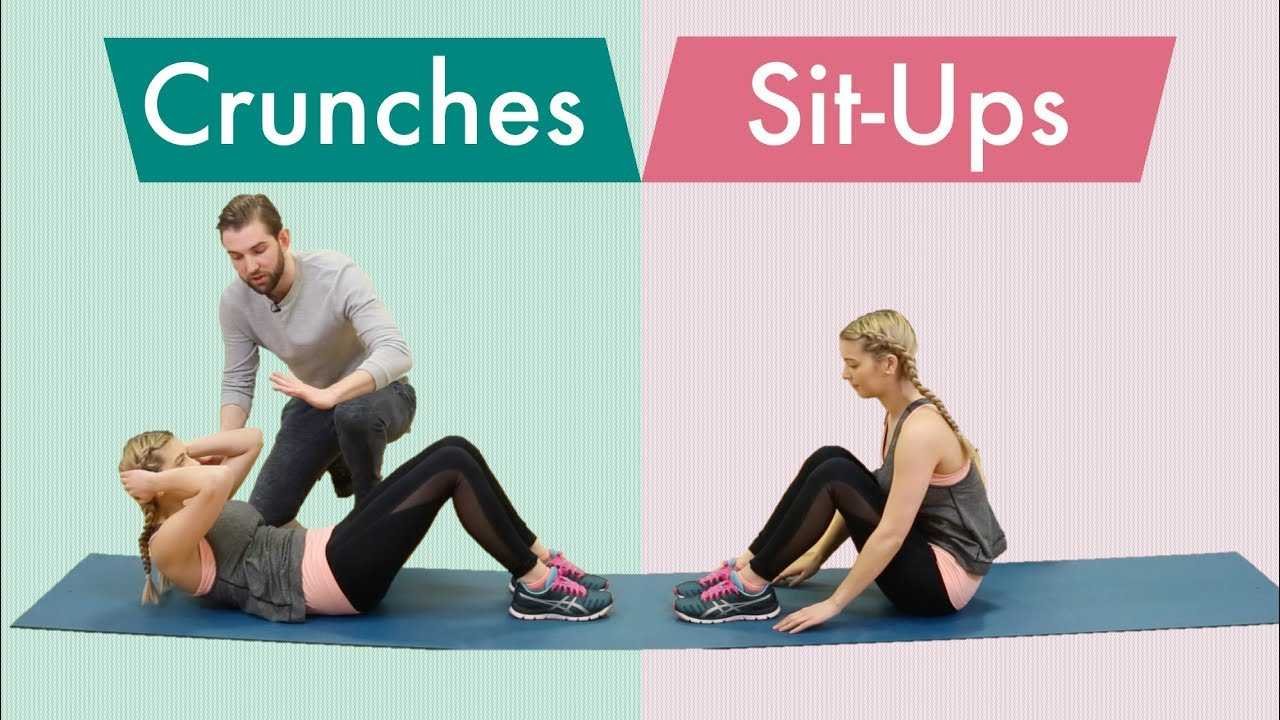
Sit ups are a full-range movement that involves lifting your entire upper body off the ground while keeping your legs fixed. This exercise engages your abdominal muscles along with hip flexors and lower back muscles.
What are crunches?
Crunches focus only on lifting your upper shoulders and upper back off the ground. They are more controlled and isolate the abdominal muscles better, making them less stressful on your neck and lower back.
Comparing benefits and challenges
- Sit ups generate a higher calorie burn due to the involvement of more muscles.
- Crunches are safer for beginners and those with back problems.
- Proper form is vital for both exercises to prevent injury and ensure effectiveness.
How to perform sit ups safely and effectively
Step-by-step guide
- Lie on your back with knees bent and feet flat on the floor, hip-width apart.
- Place your hands behind your head or across your chest, keeping elbows out of the way.
- Engage your core and lift your upper body towards your knees, exhaling as you rise.
- Pause briefly at the top, then slowly lower back down while inhaling.
- Repeat for the desired number of repetitions, maintaining control throughout.
Common mistakes to avoid
- Pulling on your neck with your hands, which can cause strain.
- Using momentum instead of core strength to lift your body.
- Not engaging your core properly, reducing exercise effectiveness.
Tips for maximizing sit ups benefits
- Start with fewer reps and gradually increase as your strength improves.
- Maintain a slow, controlled pace to target muscles effectively.
- Combine sit ups with other core exercises for a balanced workout.
How to perform crunches correctly for optimal results
Step-by-step instructions
- Lie on your back with knees bent and feet flat on the ground.
- Place your hands lightly behind your head or across your chest.
- Engage your core and lift your shoulders off the ground, aiming to bring your chest toward your knees.
- Hold briefly at the top, then slowly lower back down without relaxing your core completely.
- Repeat for the targeted number of repetitions.
Common mistakes to avoid in crunches
- Pulling on your neck or head, causing neck strain.
- Using momentum instead of controlled movement.
- Overextending your neck or arching your back improperly.
Tips to improve crunches effectiveness
- Focus on squeezing your abdominal muscles during each rep.
- Exhale as you lift, inhale as you lower.
- Include variations like bicycle crunches or oblique crunches for more comprehensive core engagement.
Guidelines for safe exercise and injury prevention
Proper form is key to avoiding injuries and maximizing benefits. Always warm up before starting your workout to prepare your muscles.
Listen to your body and stop if you feel pain, especially in your neck or back. Use a mat or soft surface to provide cushioning and support during exercises.
Gradually increase intensity and repetitions to prevent overexertion. Incorporate rest days into your routine to allow muscles to recover and grow stronger.
Variations and modifications for different fitness levels
Beginner modifications
- Perform crunches with feet elevated on a chair to reduce lower back strain.
- Use a smaller range of motion and focus on slow, controlled movements.
- Practice partial sit ups, lifting just your shoulders, before progressing to full sit ups.
Advanced variations
- Include oblique crunches to target side abdominal muscles.
- Add resistance with light weights or resistance bands for increased challenge.
- Combine with other core exercises like leg raises, planks, or Russian twists for a comprehensive workout.
Integrating sit ups and crunches into your fitness routine
Consistency is essential for seeing results. Aim to perform these exercises at least twice a week, with rest days in between.
Combine core exercises with cardio, strength training, and flexibility workouts for overall fitness. Remember, a balanced routine improves posture, reduces injury risk, and enhances daily functioning.
Tracking your progress can motivate you and help adjust your training intensity over time. Use a notebook or app to record reps, sets, and feelings during each session.
Additional core strengthening exercises to complement sit ups and crunches
- Planks: Improve stability and endurance in your core muscles.
- Leg raises: Target lower abdominal muscles effectively.
- Bicycle crunches: Engage both rectus abdominis and obliques for a well-rounded core workout.
Including these variations diversifies your routine and helps prevent plateauing, keeping your motivation high.
Incorporating sit ups and crunches into your fitness plan can significantly strengthen your core and improve overall health. Correct technique and gradual progression are vital for safety and effectiveness. Remember, consistency and proper form lead to the best results. Keep practicing regularly, and you will feel stronger and more confident in your everyday movements.
Crunches vs Sit Ups: which one is best and how to do it
Frequently Asked Questions
What are the common mistakes to avoid during sit ups and crunches?
Many people tend to pull on their neck or use momentum instead of engaging their core muscles. Avoid these mistakes by keeping your neck relaxed and focusing on controlled movements. Additionally, do not arch your back excessively or strain your neck, which can lead to discomfort or injury. Maintaining proper form ensures you target the abdominal muscles effectively and reduce the risk of strain.
How can I make sit ups and crunches more challenging as I progress?
To increase the difficulty, you can add resistance by holding a weight or a medicine ball while performing the exercises. Elevating your legs or placing your feet under a sturdy object can also intensify the workout. Incorporating variations like bicycle crunches or twisting sit ups can engage different abdominal muscles and enhance overall core strength.
Are sit ups and crunches suitable for everyone, including beginners?
Yes, but beginners should start slowly and focus on proper form to avoid injury. It’s essential to listen to your body and avoid overdoing it, especially if you experience neck or back discomfort. For those with existing health conditions, consulting a fitness professional or healthcare provider before starting these exercises ensures safety and effectiveness.
What is the best way to incorporate sit ups and crunches into a workout routine?
Include sit ups and crunches as part of a balanced core workout, alternating with other exercises like planks and leg raises. Perform 2 to 3 sets of 10 to 15 repetitions, gradually increasing as your strength improves. Combining these exercises with cardio and overall strength training maximizes benefits and helps develop a more defined core.
Final Thoughts
In summary, incorporating sit ups and crunches exercise into your routine effectively targets abdominal muscles. Regular practice enhances core strength and stability, positively impacting overall fitness. Consistency remains key to seeing lasting results. Focus on proper form to prevent injury and maximize benefits.
As an Amazon Associate, We earn from qualifying purchases. When you purchase a product through Amazon links on pulsefitguide.com, we may earn a small commission at no extra cost to you. This helps support the site and keep our content free.
