


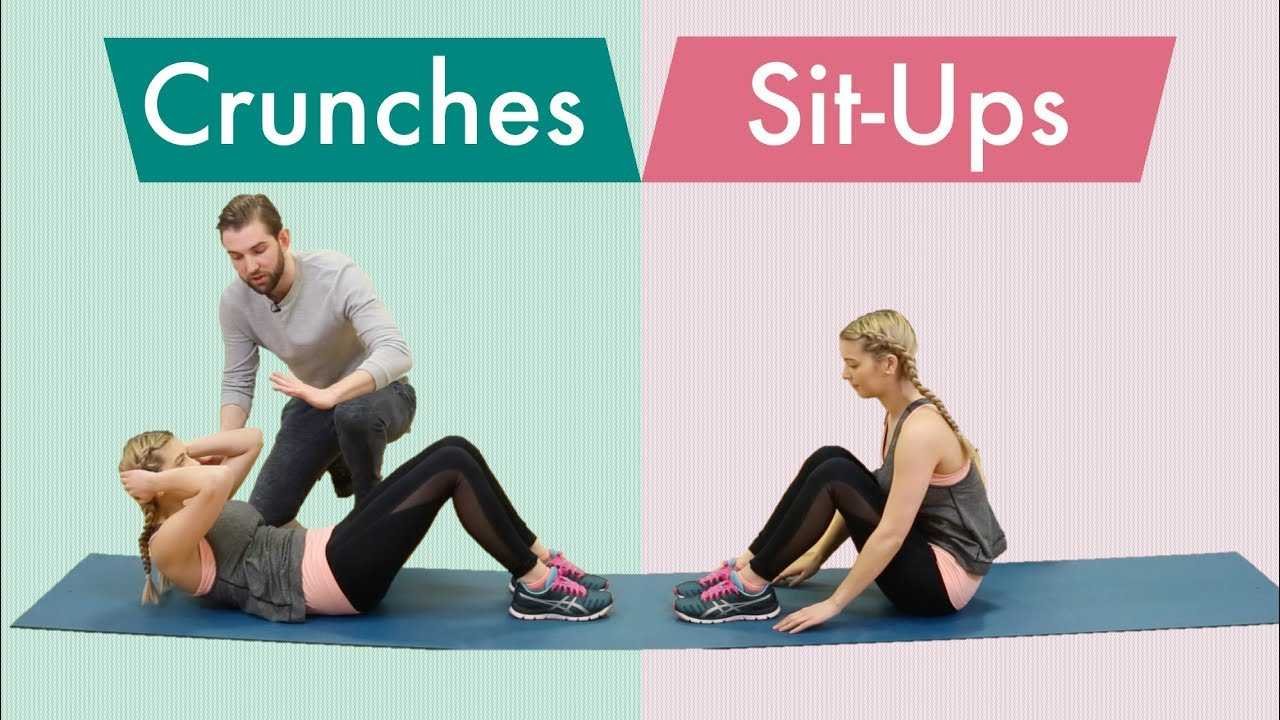
To get fit fast with sit-up crunches, focus on proper form and consistency. These exercises are excellent for strengthening your core and toning your abdominal muscles, but doing them correctly is key to avoiding injury and maximizing benefits. Start slow, maintain steady breathing, and gradually increase repetitions to see the best results.
Sit-up crunches are an effective way to target your core muscles, helping you build strength and definition in your abs. They can be easily incorporated into your workout routine, whether you’re a beginner or more experienced. The key is to perform them with proper technique and regularity to achieve noticeable improvements and a toned midsection.
When it comes to strengthening your core, sit-up crunches are a popular choice because they engage multiple abdominal muscles efficiently. They also improve posture and stability, which can benefit overall fitness. This exercise is simple to do at home or in the gym, making it accessible for anyone looking to enhance their core strength and achieve a flatter stomach through consistent effort.

Sit Up Crunches Exercise: The Ultimate Guide to Strengthening Your Core
Understanding the Sit Up Crunches Exercise
Sit up crunches are a fundamental exercise aimed at building your abdominal muscles and improving core strength. This classic move is popular because it effectively targets the rectus abdominis, the muscle responsible for that six-pack look. Whether you’re a beginner or an experienced athlete, incorporating sit up crunches into your routine can boost posture and stability.
Benefits of Doing Sit Up Crunches
Regularly performing sit up crunches offers several advantages. First, they help tighten and tone your abdominal muscles, giving you a slimmer waistline. Second, they improve posture by strengthening the core muscles that support your spine. Additionally, sit ups can increase overall body coordination and can even boost your athletic performance.
Proper Technique for Sit Up Crunches
To maximize benefits and avoid injury, proper form is crucial. Start by lying flat on your back with knees bent and feet flat on the ground. Place your hands behind your head or cross them over your chest. Engage your core muscles and lift your upper body toward your knees. Avoid pulling on your neck or using momentum to lift. Focus on controlled movements, then slowly lower back to the starting position.
Step-by-Step Guide to Doing Sit Up Crunches
- Lie on your back, knees bent at a 90-degree angle, feet flat on the floor.
- Cross your arms over your chest or place hands behind your head, elbows pointed out.
- Engage your abdominal muscles by pulling your belly button toward your spine.
- Lift your upper body off the ground, exhaling as you crunch upward.
- Pause briefly at the top, then slowly lower back down while inhaling.
- Repeat for the desired number of repetitions.
Ensure your movement is controlled and avoid using momentum to prevent strain on your neck and back.
Common Mistakes to Avoid
Many people make errors that can hinder progress or cause injury. For example, pulling on your neck can strain your cervical spine. Using momentum rather than muscle engagement reduces effectiveness. Not maintaining proper form, such as arching your back, can lead to discomfort or injury. Remember to keep your movements steady and focused on your core engagement.
Variations of Sit Up Crunches
Introducing variations keeps your workout interesting and challenges your muscles differently. Some common variants include:
- Weighted Sit Up Crunches: Hold a weight or medicine ball to increase resistance.
- Bicycle Crunches: Bring opposite elbow to knee in a twisting motion to target obliques.
- V-Ups: Combine sit ups with leg lifts to engage upper and lower abs simultaneously.
- Decline Sit Ups: Use a decline bench to increase difficulty and core activation.
Integrating Sit Up Crunches into Your Fitness Routine
To maximize benefits, include sit up crunches as part of a balanced workout plan. Aim for 2 to 3 sets of 12 to 20 repetitions based on your fitness level. Combine them with other core exercises like planks, leg raises, and Russian twists. Rest days are important to allow muscles to recover and grow stronger.
How Often Should You Do Sit Up Crunches?
Consistency is key for results. Doing sit up crunches three to four times a week provides enough stimulus without overtraining. Adjust the volume and intensity based on your progress and fitness goals. Remember, quality matters more than quantity—perform each repetition with focus and proper form.
Safety Tips for Sit Up Crunches
Always warm up before exercising to prepare your muscles and prevent strains. If you have back or neck issues, consult a healthcare professional before starting. Use a mat for cushioning and avoid overextending your neck or back. Stop immediately if you feel pain or discomfort.
Enhancing Results with Complementary Exercises
For a well-rounded core, combine sit up crunches with exercises targeting other abdominal muscles. Planks strengthen deep core muscles, while leg raises focus on lower abs. Incorporate cardio workouts to reduce body fat, making abdominal muscles more visible.
Additional Tips for Success
Stay hydrated and maintain a balanced diet rich in protein to support muscle growth. Track your progress to stay motivated. Gradually increase repetitions and resistance as your strength improves. Remember, patience and consistency lead to lasting results.
Related Topics for a Complete Fitness Approach
- Full-body strength training exercises
- Cardio routines to burn fat
- Stretching and flexibility exercises
- Nutrition tips for muscle building
- Understanding core anatomy and function
Incorporating sit up crunches into your workout routine can give you a stronger, more sculpted core. Focus on proper form, consistency, and gradual progression to see the best results. Remember, a balanced approach combining various exercises, proper nutrition, and adequate rest creates the pathway to a healthier, more confident you. Keep at it and enjoy the journey toward improved fitness and well-being.
Stop Doing Sit Ups For Abs!
Frequently Asked Questions
What are the main benefits of doing sit-up crunches regularly?
Performing sit-up crunches regularly strengthens your core muscles, including the abdominal muscles, which improves posture and stability. This exercise also helps enhance flexibility in the hip flexors and lower back, reduces the risk of injury, and supports better athletic performance. Additionally, consistent engagement can contribute to a toned appearance of the midsection and boost overall confidence.
How can I modify sit-up crunches to prevent strain on my neck and back?
You can modify sit-up crunches by focusing on proper form and avoiding excessive pulling with your hands. Place your hands lightly behind your head without tugging, and engage your core to lift your upper body. Keep your lower back pressed into the floor to avoid strain. If you experience discomfort, consider doing smaller movements or opting for alternative exercises like crunches or plank variations that put less pressure on your back and neck.
What are some common mistakes to avoid during sit-up crunches?
Many people tend to pull on their necks with their hands, which can lead to neck strain. Arching or overextending the lower back is another mistake that can cause discomfort or injury. Additionally, performing rapid or jerky movements reduces the exercise’s effectiveness and increases the risk of strain. To avoid these issues, focus on controlled, smooth movements and keep your core engaged throughout the exercise.
How many sit-up crunches should I do for effective results?
The number of sit-up crunches varies based on your fitness level and goals. Beginners can start with 2-3 sets of 10-15 repetitions, gradually increasing as they build strength. It’s important to prioritize quality over quantity, ensuring proper form during each movement. Incorporating other core exercises alongside crunches can also provide balanced benefits and prevent plateaus.
Are sit-up crunches suitable for all fitness levels?
While sit-up crunches can benefit most individuals, they might not be suitable for everyone, especially those with neck, back, or spinal issues. Beginners should start slowly and focus on correct technique. If you experience discomfort or pain, consider alternative exercises like modified crunches, planks, or stability ball exercises that are gentler on your body. Consulting with a fitness professional or healthcare provider helps determine the best approach for your specific needs.
Final Thoughts
The sit up crunches exercise effectively targets the core muscles, helping to build strength and improve posture. Incorporating this exercise into your routine can lead to noticeable fitness gains. Focus on proper form to maximize benefits and prevent injury. Consistency is key to seeing progress with the sit up crunches exercise.
As an Amazon Associate, We earn from qualifying purchases. When you purchase a product through Amazon links on pulsefitguide.com, we may earn a small commission at no extra cost to you. This helps support the site and keep our content free.
