


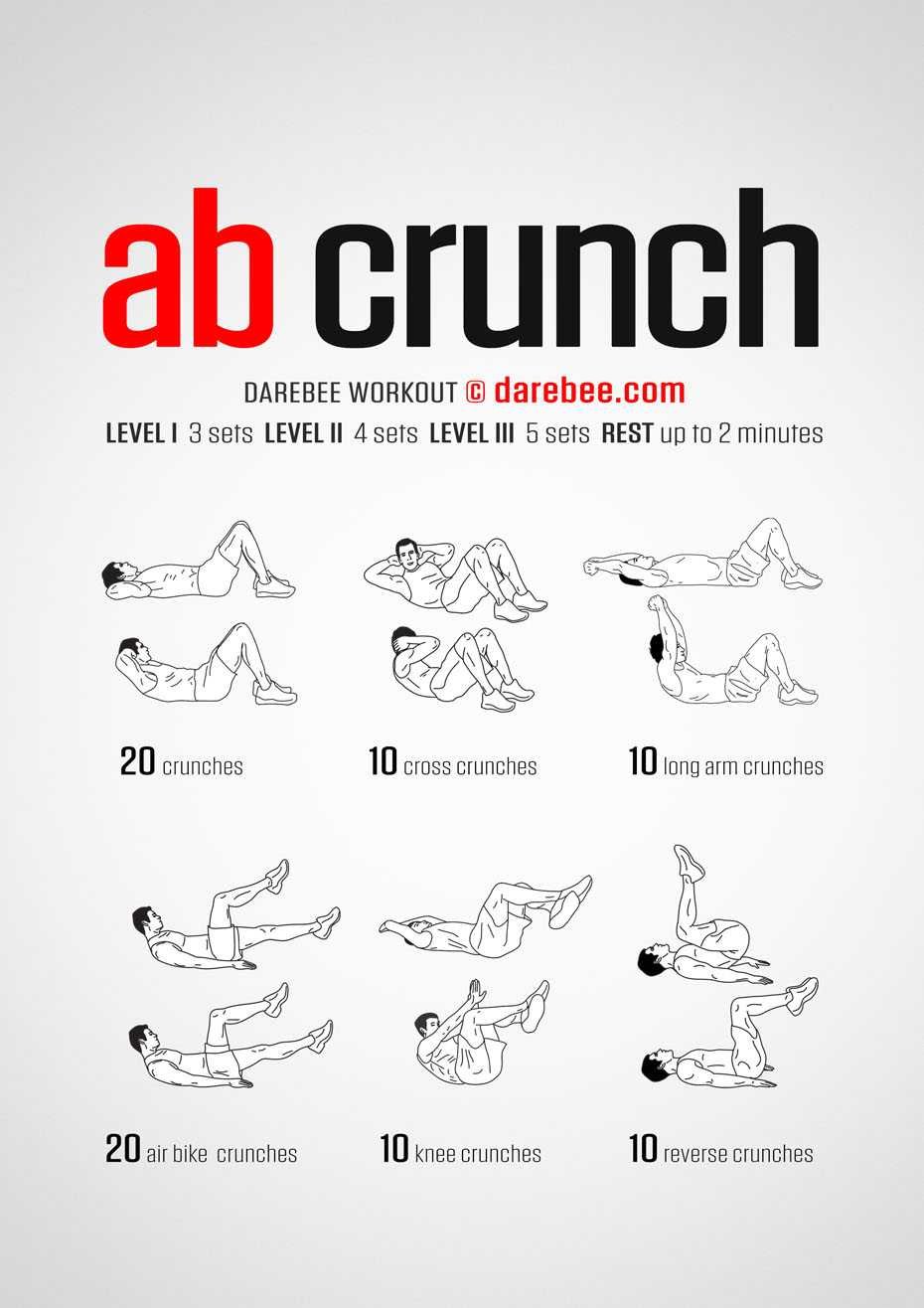
To sculpt your abs with crunches, focus on proper technique and consistency. Perform controlled movements, engage your core, and incorporate variety to maximize results. Remember, combining crunches with a healthy diet accelerates your path to a toned six-pack.
Crunches are one of the most popular exercises for targeting your abdominal muscles, especially the rectus abdominis. They’re simple to do and require no equipment, making them perfect for beginners and seasoned fitness enthusiasts alike. The key to getting the most out of crunches is performing them correctly—focusing on engaging your core, avoiding neck strain, and maintaining a steady rhythm. Consistency is crucial; doing crunches regularly along with a balanced diet rich in whole foods will help reveal those toned abs. Incorporating different variations can also prevent workout boredom and target your muscles from different angles. With dedication, crunches can be a vital part of your journey to a stronger, more defined core.

Crunches Exercise for Abs: The Ultimate Guide to Sculpting Your Core
Understanding the Importance of Crunches for Abdominal Strength
Crunches are one of the most popular exercises to target your abdominal muscles. They help build core strength, improve posture, and support your lower back. Regularly performing crunches can also assist in reducing belly fat when combined with a healthy diet and overall exercise routine.
How Crunches Work: Basic Mechanics
When you do crunches, your core muscles contract to lift your upper body off the ground. This movement primarily targets the rectus abdominis, the muscle that creates the “six-pack” appearance. Proper technique ensures maximum benefit and reduces the risk of injury.
Different Types of Crunches for Better Results
There are several variations of crunches to target different parts of your abs. Each variation offers unique benefits and can prevent workout boredom. Here are some popular types:
- Standard Crunches
- Oblique Crunches
- Reverse Crunches
- Bicycle Crunches
Proper Technique for Effective Crunches
Start by lying flat on your back with knees bent and feet flat on the floor. Place your hands behind your head or across your chest. Engage your core muscles and lift your shoulders off the ground, avoiding pulling on your neck. Exhale as you crunch up and inhale as you lower back down.
Common Mistakes to Avoid During Crunches
Incorrect form can lead to neck strain or ineffective workouts. Be careful not to:
- Pull on your neck or head
- Use momentum instead of muscle engagement
- Allow your lower back to arch excessively
- Overextend your neck or shoulders
How Often Should You Do Crunches?
Consistency is key to seeing results. Aim for three to four sets of 15 to 20 repetitions, three to four times weekly. Incorporate rest days to allow your muscles to recover and prevent fatigue.
Integrating Crunches into Your Fitness Routine
Crunches work best when combined with other exercises. Incorporate cardio activities like walking, jogging, or cycling to burn overall body fat. Add strength training to build muscle and increase metabolism.
Benefits of Combining Crunches with Other Core Exercises
Pairing crunches with exercises like planks, leg raises, and Russian twists provides a comprehensive core workout. This enhances stability, reduces injury risk, and improves athletic performance. A balanced core routine covers all muscle groups for optimal results.
Tips for Maximizing Abdominal Engagement
Focus on slow, controlled movements rather than fast repetitions. Squeeze your abdominal muscles at the top of each crunch. Keep your neck relaxed and avoid tension in your shoulders.
Using Equipment to Enhance Crunch Exercises
While traditional crunches are performed on the floor, equipment can increase difficulty or variation. Options include:
- Crunch benches
- Stability balls
- Ab rollers
- Incline boards
These tools can challenge your core further and keep your workouts engaging.
Guidelines for Safe and Effective Crunches
Always warm up before starting your workout and stretch afterward. Pay attention to your body’s signals and stop if you feel pain. Proper hydration and balanced nutrition support muscle recovery and growth.
Adjusting Crunches for Different Fitness Levels
Beginners should start with fewer repetitions and slower movements. Advanced exercisers can increase repetitions or add resistance using light weights. Modifications ensure progress remains challenging yet safe.
Tracking Your Progress with Crunches
Keep a workout journal to record repetitions and improvements over time. Celebrate small milestones to stay motivated. Remember, visible abs also depend on overall body fat percentage.
Related Topics to Explore
Looking beyond crunches can diversify your core workout routine. Consider exploring:
- Planks for core stability
- Leg raises for lower abs
- Russian twists for oblique muscles
- Cardio workouts for fat burning
- Nutrition tips for reducing belly fat
Crunches are a simple yet effective way to strengthen and define your abdominal muscles. When performed correctly and consistently, they contribute to a stronger core and better posture. Remember to combine them with other exercises and a healthy lifestyle for the best results. Keep your focus on proper technique, gradual progression, and listening to your body to enjoy safe and productive workouts.
Crunches Tips #abworkout #abs #sixpackabs #fitness
Frequently Asked Questions
What are the proper techniques to perform crunches effectively?
To perform crunches correctly, lie flat on your back with your knees bent and feet flat on the floor. Place your hands behind your head or across your chest. Engage your core muscles and lift your shoulders off the ground using your abdominal muscles, not your neck or arms. Keep your lower back pressed into the floor and avoid pulling on your neck. Exhale as you lift and inhale as you lower back down. Focus on controlled movements to maximize benefits and reduce injury risk.
How can I prevent common mistakes while doing crunches?
Avoid pulling on your neck or using excessive head movement, which can strain your neck muscles. Do not use momentum to lift your shoulders; instead, rely on your abdominal muscles. Keep your lower back pressed into the floor to prevent arching, which can decrease core engagement. Also, do not rush through the movements; perform crunches slowly and with control for better effectiveness. Maintaining proper form ensures you target the right muscles and prevent strain.
How many sets and repetitions should I do for optimal results?
Start with 2 to 3 sets of 10 to 15 repetitions, focusing on proper form. As your core strength improves, gradually increase the number of repetitions or sets. Incorporate crunches into your regular workout routine three to four times a week. Remember to give your muscles time to recover and avoid overtraining, which can lead to fatigue or injury. Consistency and gradual progression will help you achieve better results over time.
Can crunches help reduce belly fat effectively?
Crunches strengthen and define your abdominal muscles but do not directly burn belly fat. To reduce overall body fat, combine core exercises like crunches with cardiovascular activities such as running, cycling, or swimming. Maintain a healthy diet that supports fat loss, focusing on whole foods and proper portion sizes. Reducing belly fat requires a comprehensive approach that includes both exercise and dietary management.
Are there specific variations of crunches that target different abdominal muscles?
Yes, different crunch variations can target various parts of your abdominal muscles. For example, reverse crunches focus more on the lower abs, while oblique crunches target the side abdominal muscles. Incline crunches increase the difficulty and emphasize upper abs. Incorporating a variety of crunch types into your routine helps develop a more balanced and defined core. Always perform these variations with proper form to maximize effectiveness and avoid injury.
Final Thoughts
In conclusion, practicing crunches exercise for abs effectively targets your core muscles. Regularly engaging in this exercise enhances abdominal strength and improves posture. Incorporating crunches into your routine helps you achieve a toned midsection. Focus on proper form to maximize benefits and prevent injury.
As an Amazon Associate, We earn from qualifying purchases. When you purchase a product through Amazon links on pulsefitguide.com, we may earn a small commission at no extra cost to you. This helps support the site and keep our content free.
