


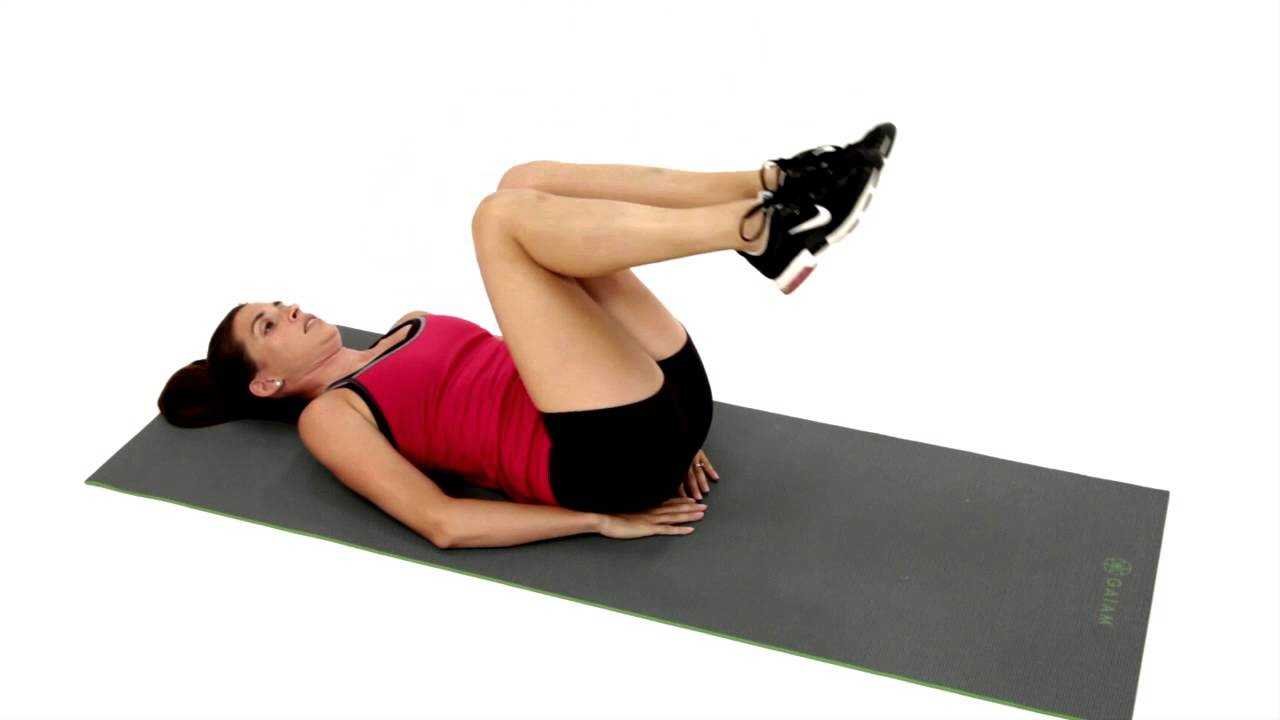
To do reverse crunches, lie on your back, lift your legs toward your chest, and curl your hips off the ground using your core muscles. Keep your movements controlled and focus on engaging your abs throughout the exercise. This move effectively targets your lower abdominal muscles and can help sculpt a toned core with consistent practice.
Reverse crunches are a fantastic way to strengthen your lower abs and improve overall core stability. If you’re looking for an efficient exercise to add to your routine, start by lying flat with your arms by your sides. Lift your legs and bring your knees toward your chest, then curl your hips upward while tightening your abs. Remember to perform the movement slowly and focus on feeling the muscle engagement. Incorporating reverse crunches into your workout can be quick, effective, and accessible, making it easier to achieve your fitness goals.

How to Do Reverse Crunches Exercise: A Complete Guide
Understanding the Reverse Crunch Exercise
Reverse crunches are a popular workout move that specifically targets the lower abdominal muscles. Unlike traditional crunches, they involve lifting the hips and legs rather than just the shoulders. This exercise helps strengthen your core and improve overall stability.
By focusing on the lower abs, reverse crunches can help create a toned and flatter stomach. They’re suitable for beginners and experienced exercisers alike. Proper form is essential to avoid strain and maximize benefits.
Benefits of Performing Reverse Crunches Regularly
Regularly doing reverse crunches offers many advantages for your health and fitness. They help tone your abdominal muscles and improve core strength, which supports your back and posture. This exercise also enhances lower body mobility and flexibility.
Additionally, reverse crunches can aid in burning calories and reducing belly fat when combined with a healthy diet and other workouts. They also promote better balance and stability, reducing the risk of falls or injuries.
Safety Tips Before Starting
Before beginning reverse crunches, ensure you have a flat, comfortable surface such as an exercise mat. Always warm up your body with light stretching or cardio to prevent muscle strain. If you have any back or neck problems, consult a healthcare professional first.
Avoid using momentum or swinging your legs during the exercise. Focus on controlled movements to engage your abdominal muscles effectively. Never push through pain; if you feel discomfort, stop and adjust your technique.
Step-by-Step Instructions on How to Do Reverse Crunches
- Lie flat on your back with your arms at your sides or under your hips for support.
- Bend your knees and place your feet flat on the ground about hip-width apart.
- Engage your core muscles by pulling your belly button towards your spine.
- Use your lower abs to lift your hips off the ground, curling your pelvis towards your chest.
- As your hips rise, bring your knees towards your chest, maintaining control.
- Pause briefly at the top of the movement, squeezing your lower abs.
- Slowly lower your hips back to the starting position, avoiding swinging or using momentum.
- Repeat for the desired number of repetitions, typically 10 to 15 per set.
Common Mistakes to Avoid
- Using momentum: Swinging your legs or hips undermines the workout and reduces effectiveness.
- Pushing your knees too far: Over-bending can strain your back; keep movements controlled.
- Holding your breath: Remember to breathe evenly—exhale as you lift and inhale as you lower.
- Not engaging the core: Failing to tighten your abs results in less engagement and less toning.
- Neglecting proper form: Poor technique can cause injury and lessen benefits.
Variations to Enhance Your Workout
1. Weighted Reverse Crunches
Add light weights or ankle weights to increase resistance. Hold a small weight or medicine ball between your knees or on your hips during the movement.
2. Reverse Crunches with Leg Extension
Extend your legs straight after lifting your hips to challenge your lower abs further. This variation increases difficulty and muscle engagement.
3. Toe Touch Reverse Crunches
After lifting your hips, reach your hands towards your toes, enhancing upper abdominal activation. This move combines elements of crunches and reverse crunches.
4. Slow and Controlled Repetition
Perform each repetition slowly to maximize muscle engagement and improve control. Focus on feeling each contraction in your core.
Tips for Effective Results
- Maintain consistency: Incorporate reverse crunches into your workout routine at least three times weekly.
- Focus on form: Quality over quantity ensures proper muscle engagement and reduces injury risk.
- Combine with a balanced diet: Nutrition plays a vital role in reducing belly fat and revealing abdominal muscles.
- Complement with other exercises: Include full-body workouts like planks, leg raises, or cardio for comprehensive fitness.
- Stay hydrated: Proper hydration supports muscle recovery and overall performance.
Incorporating Reverse Crunches into Your Fitness Routine
Start with two to three sets of 10 to 15 repetitions, depending on your fitness level. Gradually increase repetitions or add variations to challenge your muscles further. Combine reverse crunches with other core exercises for balanced strength development.
Aim to perform these exercises on non-consecutive days to allow muscle recovery. Remember to stretch and cool down after each session to prevent stiffness or injury.
Additional Tips for Maximizing Effectiveness
- Use proper breathing: Exhale during the exertion phase and inhale on the way down.
- Engage your entire core: Focus on tightening your abs rather than relying solely on momentum.
- Maintain controlled movements: Avoid rushing through repetitions; quality is more important than speed.
- Track your progress: Keep a workout journal to monitor improvements and stay motivated.
Related Topics to Explore
- Other core strengthening exercises: Planks, leg raises, and bicycle crunches.
- Tips for reducing belly fat: Dietary advice and cardio routines.
- Posture and back support: Exercises that improve spinal health and prevent injuries.
- Stretching and flexibility: Movements that complement core strengthening and improve mobility.
By mastering the proper technique and including reverse crunches in your workout routine, you can strengthen your core effectively. Remember that consistency, proper form, and a balanced lifestyle are key to achieving your fitness goals.
How to Do Reverse Crunches
Frequently Asked Questions
What are the key steps to perform reverse crunches correctly?
Start by lying flat on your back with your arms by your sides. Keep your legs bent at a 90-degree angle, with your feet together. Engage your core muscles as you lift your hips off the ground, pulling your knees toward your chest. Focus on controlled movements, avoiding momentum, and then slowly lower your hips back to the starting position. Maintaining proper form ensures effective engagement of your abdominal muscles and prevents injury.
How can I modify reverse crunches for beginners?
If you’re new to reverse crunches, start with smaller movements to build strength and confidence. Instead of lifting your hips high, perform partial lifts by slightly curling your pelvis upward. Keep your legs bent and focus on slow, controlled motions. You can also place your hands under your hips for additional support or perform the exercise one leg at a time to reduce intensity until you build adequate core strength.
What common mistakes should I avoid during reverse crunches?
Avoid using momentum, which can reduce the exercise’s effectiveness and increase the risk of strain. Do not arch your lower back excessively or lift your shoulders off the ground, as this shifts focus away from your core. Ensure your movements are controlled and deliberate, engaging your abdominal muscles throughout. Also, don’t hold your breath; remember to breathe steadily, exhaling as you lift and inhaling when lowering your hips.
Final Thoughts
In summary, to do reverse crunches exercise effectively, lie on your back with your hands by your sides. Lift your legs and bend your knees at a 90-degree angle. Use your lower abdominal muscles to lift your hips off the ground. Focus on controlled movement and proper form for best results. Practicing regularly will strengthen your core and improve stability.
As an Amazon Associate, We earn from qualifying purchases. When you purchase a product through Amazon links on pulsefitguide.com, we may earn a small commission at no extra cost to you. This helps support the site and keep our content free.
