


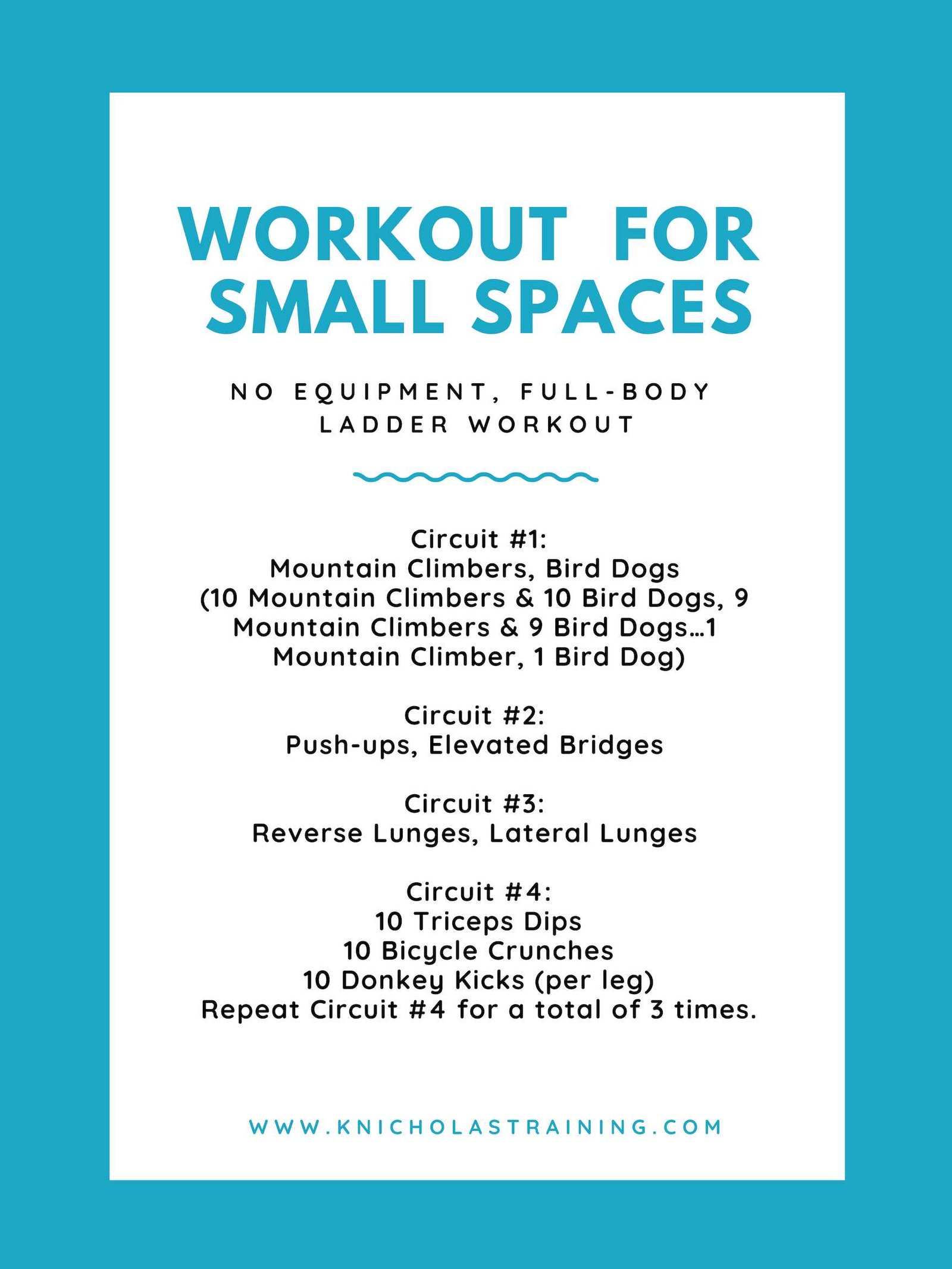
Kickstart your fitness journey even if your space is limited! With a few simple exercises and some smart planning, you can create an effective workout routine right in your small apartment or cozy corner. The key is choosing versatile, space-efficient moves that target your whole body without needing bulky equipment.
Starting small in a confined space is all about prioritizing bodyweight exercises like squats, push-ups, and plank holds, which don’t require much room. Incorporate quick, high-intensity intervals to maximize your workout in less time. Consistency and smart planning are your best friends in making fitness a seamless part of your daily routine.
If you’re short on space but eager to stay active, focus on bodyweight exercises that don’t require much room and keep workouts short but intense. Plan your routine around simple moves like squats, lunges, and push-ups, and stick with a schedule to make fitness a daily habit. Even a small corner can become your personal gym!

How to Start Small Space Fitness Routine
Beginning a fitness routine in a small space might seem challenging, but it’s totally doable. You can create an effective workout plan without needing a lot of room or fancy equipment. The key is to start slowly and build up gradually.
Assess Your Space and Set Realistic Goals
The first step is to look around and see what space you have available. Measure the area where you plan to exercise to make sure it’s enough for movement. Once you know your space, set simple goals like doing a few minutes of activity daily.
Setting achievable goals helps you stay motivated and prevents you from feeling overwhelmed. For example, aim to exercise three times a week for 10 minutes each time. As you get comfortable, you can increase the duration and frequency.
Choose the Right Exercises for Small Spaces
Bodyweight Exercises
Bodyweight exercises are perfect for small spaces because they require no equipment. You can do push-ups, sit-ups, squats, lunges, and planks. These movements target multiple muscle groups and improve overall fitness.
Cardio Moves
Jumping jacks, high knees, and jogging in place are great for raising your heart rate without needing much room. These exercises also help improve your cardiovascular health.
Flexibility and Balance
Stretching and yoga are excellent choices for small areas. They improve flexibility, reduce stress, and help prevent injuries. Use online videos or apps for guidance to ensure proper form.
Design a Simple Workout Routine
- Warm-up for 3 to 5 minutes with light cardio like marching in place or arm circles.
- Perform 2 to 3 sets of 8 to 12 repetitions for each exercise.
- Include a variety of movements to work different muscle groups.
- Finish with stretching exercises to cool down and improve flexibility.
Creating a schedule helps you stay consistent. For example, choose Mondays, Wednesdays, and Fridays for your workouts. Keep your routine simple to avoid feeling overwhelmed.
Use Minimal Equipment or No Equipment
For small spaces, opt for exercises that don’t need weights or bulky gear. If you want to add variety, consider investing in small items like resistance bands or a yoga mat.
Resistance bands are lightweight and versatile, perfect for strength training in confined areas. A yoga mat provides comfort and stability during floor exercises.
Incorporate Fun and Motivation
Make your workouts enjoyable by listening to music or following favorite online classes. Tracking your progress can boost your motivation. Use a journal or fitness app to record your improvements over time.
Set mini-goals and reward yourself when you reach them. For example, treat yourself to a relaxing bath after a week of consistent workouts.
Stay Consistent and Adjust as Needed
Consistency is the key to seeing progress. Stick to your schedule but be flexible if your plans change. If an exercise feels uncomfortable, modify or replace it with a different move.
Gradually increase the intensity by adding more repetitions, sets, or duration. Pay attention to how your body responds and avoid overexertion.
Utilize Space-Saving Workout Equipment
Small equipment options include foldable mats, resistance bands, and compact weights. These items can be stored easily when not in use. They extend the variety of exercises you can perform without taking up much room.
Incorporate Daily Activities to Stay Active
Adding small activities throughout your day can boost your fitness levels. Try taking short walks, stretching between tasks, or doing quick exercises during breaks. This helps keep your body moving even on busy days.
Overcome Common Challenges in Small Spaces
Limited space can make certain exercises seem difficult. Focus on exercises that require minimal movement and space. Keep your workout area organized to avoid feeling cramped.
Plan your workouts during times when your space is least cluttered. Use mirrors if available to check your form and stay motivated.
Monitor Your Progress and Celebrate Achievements
Tracking your workouts helps you see how far you’ve come and keeps you motivated. Use graphs, journals, or apps to record repetitions, time, and feelings of accomplishment.
Celebrating milestones, such as completing a month of workouts or reaching a new goal, encourages continued effort and enjoyment of your fitness journey.
Starting small with your space fitness routine is all about making gradual changes, staying consistent, and enjoying the process. Remember, every little effort counts toward better health and wellness.
Beginner Workout Routine for Students
Frequently Asked Questions
What are some simple exercises to do in a small space?
Focus on bodyweight exercises that require minimal room, such as push-ups, planks, sit-ups, and squats. These exercises don’t need equipment and can be performed in confined areas. Incorporate stretching and yoga poses to increase flexibility and relaxation without taking up much space.
How can I create a workout plan suitable for limited space?
Design your routine around short, focused sessions that include a variety of moves targeting different muscle groups. Combine activities like jumping jacks, lunges, and arm circles to maximize efficiency. Schedule your workouts several times weekly and set clear goals to stay motivated and organized within your available space.
What equipment is best for exercising in a small area?
Opt for compact, versatile items such as resistance bands, a jump rope, or a small set of dumbbells. These tools offer multiple exercise options and store easily when not in use. Using your body weight for exercises is also effective and requires no additional equipment, making it ideal for tight spaces.
Final Thoughts
Starting small space fitness routine requires simple steps. Begin with easy bodyweight exercises like squats and push-ups, which need no equipment. Set aside just 10 minutes daily to build consistency. Use online videos for guidance and motivation.
Create a dedicated corner in your home where you can comfortably exercise. Focus on gradual progress rather than perfection, increasing intensity over time. Staying committed with small goals makes fitness manageable and enjoyable.
In conclusion, knowing how to start small space fitness routine involves patience and consistency. Stick to short, achievable workouts, and gradually expand your routine. This approach keeps you motivated and makes fitness an integral part of your daily life.
As an Amazon Associate, We earn from qualifying purchases. When you purchase a product through Amazon links on pulsefitguide.com, we may earn a small commission at no extra cost to you. This helps support the site and keep our content free.
