


To keep your body balanced, focus on strengthening your core, practicing balance exercises regularly, and staying mindful of your posture throughout the day. Incorporating simple habits like yoga, tai chi, or even standing on one leg can significantly improve your stability. Remember, maintaining body balance isn’t just about physical strength—it’s also about coordination, flexibility, and awareness of your body’s positioning.
In essence, maintaining body balance involves a combination of targeted exercises, good posture, and mindful movement. These practices help enhance your stability, reduce falls, and improve overall coordination. Consistently working on these areas will lead to better control over your body and a more confident, steady gait.
Having good body balance is essential for daily activities and overall well-being. It enables you to move confidently, prevents injuries, and supports your physical health as you age. With some simple but consistent efforts, you can improve your stability and enjoy a more active life. Whether you’re recovering from injury or just aiming for better athletic performance, maintaining body balance is key to achieving your fitness and health goals.

How to Maintain Body Balance
Maintaining body balance is essential for staying active, preventing falls, and feeling good every day. It involves a combination of physical, mental, and environmental factors. Understanding how to keep your body balanced can improve your coordination and boost your confidence.
Understanding Body Balance and Why It Matters
Body balance is the ability to stay upright and steady in different situations. It is controlled by the brain, eyes, inner ear, and muscles working together. Good balance helps prevent injuries and makes everyday activities easier.
The Role of the Vestibular System
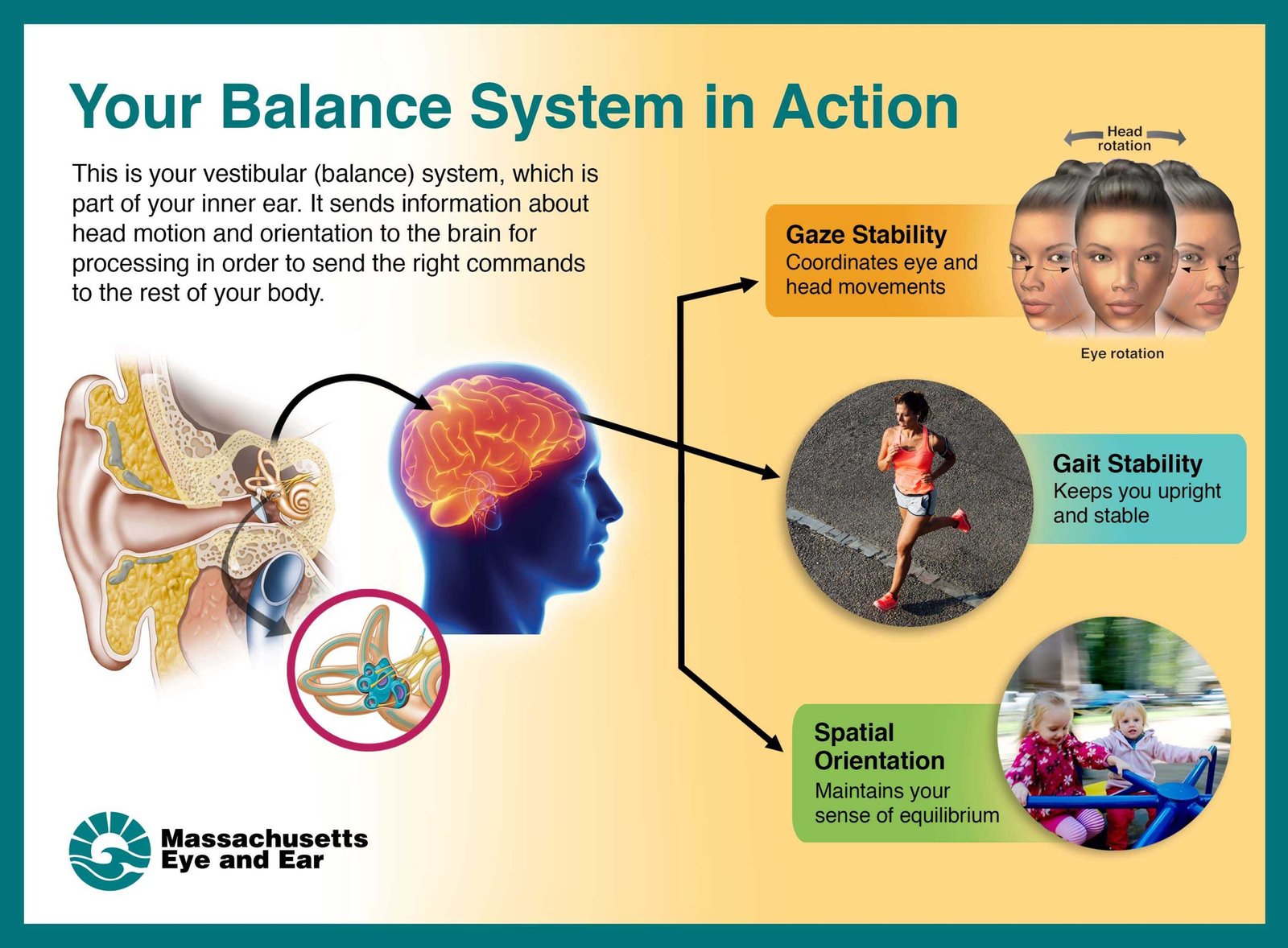
The vestibular system is inside your inner ear. It detects head movements and helps your brain understand your position in space. When this system works well, you stay balanced even if your eyes are closed or the environment is unstable.
The Importance of Vision
Your eyes give your brain important information about your surroundings. Clear and focused vision helps your body know where it is in space. Regular eye check-ups can support better balance.
Factors That Affect Body Balance
Many things can influence how well you stay balanced. These include age, health, physical activity levels, and even your environment. Identifying these factors can help you take steps to improve your stability.
Age and Balance
As people age, their balance naturally declines. Muscle strength, vision, and inner ear function may weaken over time. That is why balance exercises are especially important for seniors.
Health Conditions
Certain health issues like vertigo, neurological disorders, or muscle weaknesses can impair balance. Managing these conditions with medical support is vital for maintaining stability.
Impact of Sedentary Lifestyle
Not moving enough can lead to weaker muscles and poorer coordination. Incorporating physical activity helps strengthen the muscles that support balance.
Exercises to Improve and Maintain Balance
Practicing specific exercises regularly can greatly enhance your body’s ability to stay balanced. Here are some effective routines to include in your daily fitness plan.
Basic Balance Exercises
- Standing on One Leg: Stand near a sturdy surface for support. Lift one foot off the ground and hold for 10 to 30 seconds. Switch legs and repeat. This exercise strengthens your core and leg muscles.
- Heel-to-Toe Walk: Walk in a straight line, placing the heel of one foot directly in front of the toes of the other. Take slow, deliberate steps to improve coordination.
- Seated Balance: Sit on a chair with your feet flat on the floor. Try lifting one foot slightly off the ground while maintaining your posture. Switch sides to work different muscles.
Advanced Balance Routines
- Balance on Unstable Surfaces: Use balance boards or cushions to challenge your stability. Practice standing or doing exercises on these surfaces to engage more muscles.
- Yoga and Tai Chi: These practices focus on slow, controlled movements and breathing. They help improve flexibility, coordination, and overall balance.
- Incorporate Dynamic Movements: Add walking lunges, side steps, or light jumps to your routine. These help mimic real-life situations where balance is crucial.
Strengthening Core Muscles for Better Balance
Core muscles are central to stable movement. Exercises targeting the abdominal, back, and pelvic muscles can make a big difference in your balance abilities. Strong core muscles support your spine and help control your movements.
Core Exercises to Try
- Planks: Hold your body in a straight line from head to heels, supported on forearms and toes. Aim for 20 to 30 seconds initially, increasing as you build strength.
- Bird-Dog: On hands and knees, extend one arm forward and the opposite leg back. Hold briefly, then switch sides. This improves coordination and stability.
- Bridges: Lie on your back with knees bent. Lift your hips toward the ceiling, engaging your core and glutes. Hold for a few seconds and lower slowly.
Nutrition Tips to Support Balance and Overall Health
Eating a balanced diet provides the nutrients necessary for muscle strength and nerve function. Include foods rich in calcium, vitamin D, magnesium, and potassium to support bone health and muscle function.
Key Nutrients for Balance
- Calcium: Found in dairy products, leafy greens, and fortified foods. It helps keep bones strong.
- Vitamin D: Obtained from sunlight, fatty fish, and fortified milk. It promotes calcium absorption.
- Magnesium: Present in nuts, whole grains, and seeds. It supports muscle function and nerve transmission.
- Potassium: Available in bananas, potatoes, and spinach. It balances fluids and supports nerve signals.
Hydration and Its Effect on Balance
Staying well-hydrated ensures your muscles function properly. Dehydration can cause dizziness and weakness, increasing fall risk. Drinking enough water daily helps maintain overall stability.
The Role of Proper Footwear and Environment
Wearing supportive shoes with good grip enhances balance during daily activities. Avoid slippery surfaces at home and work, and keep walkways clear of obstacles to prevent accidents.
Footwear Tips for Better Balance
- Choose Shoes with Good Support: Look for shoes that fit well and provide arch support.
- Avoid Slippers and Flip-Flops: These offer less grip and support, increasing fall chances.
- Replace Worn Shoes: Worn soles can reduce traction. Replace shoes when they become old or damaged.
Home and Environment Safety
- Eliminate Clutter: Keep floors free of objects to prevent tripping.
- Use Handrails: Install grab bars in bathrooms and staircases.
- Improve Lighting: Ensure rooms are well-lit to spot hazards early.
Additional Tips for Maintaining Body Balance
Consistency is key. Making balance exercises part of your daily routine will bring better results. Also, listen to your body and avoid overexertion that might lead to injury.
Regular Check-Ups and Professional Support
Getting your vision and inner ear checked regularly helps identify issues early. Physical therapists can provide personalized programs to improve your balance.
Mind-Body Connection and Relaxation Practices
Stress and anxiety can affect coordination. Practices like meditation or deep breathing can help you stay focused and calm, supporting better balance control.
Tracking Your Progress
- Keep a journal of your exercises and improvements.
- Set small, achievable goals to stay motivated.
- Celebrate milestones to maintain your commitment.
By incorporating these strategies into your routine, you can significantly improve your body’s ability to stay balanced. Remember, regular practice and attention to health support long-term stability and confidence in your movements.
How Your Ears Help You Keep Your Balance
Frequently Asked Questions
What are effective exercises to improve coordination and balance?
Engaging in exercises such as yoga, tai chi, and balance-specific workouts helps enhance coordination and stability. Incorporate activities like single-leg stands, heel-to-toe walks, and core-strengthening routines into your weekly schedule. These exercises train your muscles and improve proprioception, leading to better overall balance.
How can proper nutrition support better body balance?
Consuming a balanced diet rich in vitamins, minerals, and antioxidants supports muscle function and joint health, which are vital for maintaining stability. Ensure adequate intake of calcium and vitamin D to strengthen bones, and stay hydrated to keep muscles functioning optimally. Proper nutrition provides the foundation needed for your body’s balance system.
What practices help in developing mind-body awareness for improved balance?
Practicing mindfulness and focused breathing exercises enhances your awareness of body movements and positioning. Activities like meditation and slow-paced exercises improve concentration and help you respond quickly to changes in balance. Cultivating this awareness helps prevent falls and enhances overall stability.
How does maintaining flexibility contribute to better balance?
Stretching regularly keeps muscles and joints flexible, reducing stiffness that can impair movement. Incorporate dynamic stretches before physical activity and static stretches afterward to maintain optimal range of motion. Greater flexibility allows for more controlled and balanced movements, reducing the risk of injury.
What safety measures should I take at home to prevent falls?
Ensure your living space is free of clutter and remove tripping hazards like loose rugs or electrical cords. Install grab bars in bathrooms, use non-slip mats, and ensure good lighting throughout your home. These precautions create a safer environment, reducing the likelihood of falls and supporting your balance efforts.
Final Thoughts
Maintaining body balance is essential for overall well-being and safety. Regular exercises like yoga and balance drills strengthen stabilizing muscles and improve coordination. Paying attention to proper nutrition also plays a crucial role. Consistent practice and mindful movement help you stay steady and confident in your daily activities. Remember, how to maintain body balance depends on dedication and mindful habits. Incorporate simple habits into your routine, and you’ll enhance your stability and posture over time.
As an Amazon Associate, We earn from qualifying purchases. When you purchase a product through Amazon links on pulsefitguide.com, we may earn a small commission at no extra cost to you. This helps support the site and keep our content free.
