


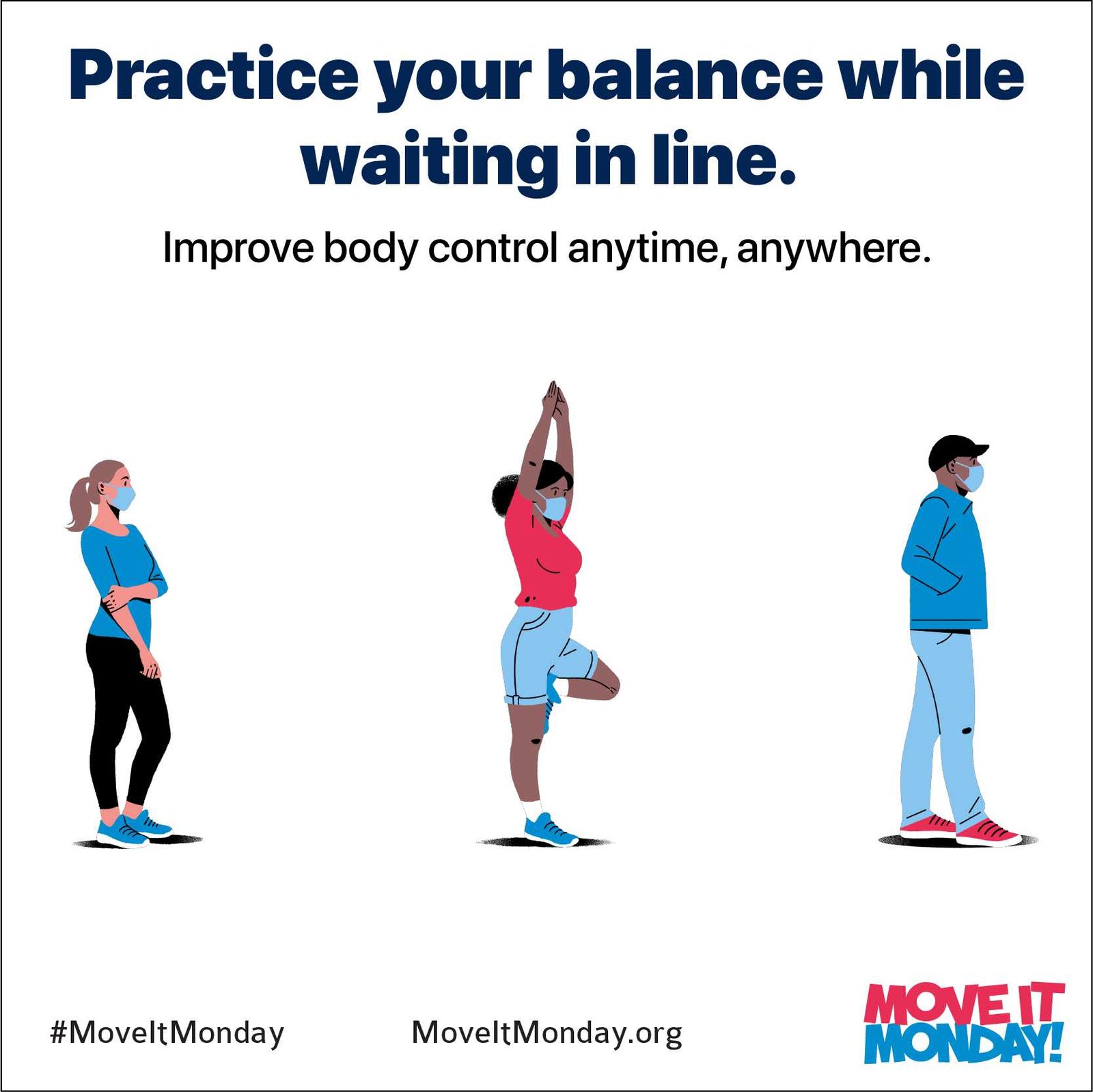
To instantly boost your body balance, incorporate simple exercises like standing on one leg or yoga poses into your routine. Maintaining good posture, staying active, and practicing balance exercises regularly are key to improving stability. These small but consistent efforts can significantly enhance your coordination and prevent falls.
Improving your body balance is all about consistency and mindful practice. By engaging in targeted exercises and making healthy lifestyle choices, you can enhance your stability, agility, and confidence in everyday activities. Even simple movements done regularly can lead to noticeable improvements over time.
Struggling with balance can impact your daily life, from walking steadily to maintaining good posture. The good news is that adjusting your routine with some easy, effective exercises can make a big difference. Whether you’re recovering from an injury, aging, or just looking to stay active, strengthening your core and practicing balance drills are essential steps towards a more stable, confident you. Let’s explore practical ways to improve your body balance that you can start today.

How to Improve Body Balance
Having good body balance is important for everyday activities and overall health. It helps you stay steady while walking or standing and reduces the risk of falls. Improving your balance can also boost your confidence and make exercise easier and safer.
Understanding Body Balance
Body balance is the ability to maintain your body’s center of gravity over your base of support. It involves coordination between your eyes, inner ear, and muscles. When these systems work well together, you stay balanced even on uneven surfaces or during movement.
How the Body Maintains Balance
Our body uses three main systems to keep us balanced.
- Vestibular System: Located in the inner ear, it detects head movements and helps us stay upright.
- Visual System: Our eyes give information about our position relative to the environment.
- Proprioceptive System: Sensors in muscles and joints inform us about body position.
These systems send signals to your brain, which then makes adjustments to your muscles to keep you steady.
Common Causes of Poor Balance
Balance can decline due to various reasons, especially with age. Some common causes include inner ear problems, muscle weakness, vision issues, or neurological conditions. Lack of activity and certain medications can also affect your sense of balance.
Benefits of Improving Body Balance
Better balance enhances safety and reduces fall risk. It also improves coordination, posture, and overall mobility. Athletes and older adults alike can benefit from balanced body control for better performance and independence.
Simple Exercises to Improve Balance
1. Standing on One Leg
This exercise strengthens your ankle and leg muscles. Stand on one foot for 10 to 15 seconds, then switch sides. To make it more challenging, close your eyes or stand on an uneven surface.
2. Heel-to-Toe Walk
Walk in a straight line placing your heel directly in front of your toes. This challenges your coordination and helps improve your gait stability. Practice for 10 steps forward and backward.
3. Balance Board Exercises
Using a balance board or wobble cushion can significantly enhance balance. Stand on the device with feet shoulder-width apart and hold your position for 30 seconds. Increase duration as you get more comfortable.
Strengthening Core Muscles for Better Balance
Your core muscles include your abdomen, back, and pelvis. Strengthening these helps you stay stable during movement. Incorporate exercises like plank holds, bridges, and seated twists into your routine.
Flexibility and Stretching Routines
Flexibility in your legs, hips, and lower back aids balance. Regular stretching exercises such as hamstring stretches, hip openers, and lower back stretches can improve mobility. Stretch gently and hold each position for 15 to 30 seconds.
Incorporating Balance Training into Daily Life
You can improve balance through simple daily activities. For example, stand on one foot while brushing your teeth or practice walking heel-to-toe during your walk. These small actions add up over time.
Using Supportive Tools and Equipment
Supportive devices such as handrails or walking sticks can help during balance exercises or when walking on uneven terrain. Use these tools until your strength and confidence improve.
Importance of Proper Footwear
Wearing shoes with good support and non-slip soles helps maintain stability. Avoid high heels or overly loose shoes that can compromise your balance.
Yoga and Tai Chi for Balance
Both yoga and Tai Chi are gentle practices that promote balance, flexibility, and strength. Poses like tree pose or Tai Chi stances help train your body to stay steady in various positions.
Ensuring Safety During Balance Exercises
Always perform exercises near a wall or sturdy support to prevent falls. Start slowly and increase difficulty gradually. Wear comfortable clothing and choose a safe, non-slip surface to practice on.
Monitoring Progress and Staying Motivated
Track your improvements by noting how long you can hold a balance pose or how steady you feel during activities. Set small, achievable goals to stay motivated and consistent with your practice.
Incorporating Balance Training into a Fitness Routine
Balance exercises should complement your regular workouts. Dedicate a few minutes each day to practice balance and include strength and flexibility exercises for a holistic approach.
Additional Tips for Improving Body Balance
- Maintain a healthy weight: Excess weight can affect your stability.
- Stay hydrated: Proper hydration helps muscle function.
- Get regular health check-ups: Address any underlying issues affecting balance.
- Practice mindfulness and focus: Stay present during exercises to maximize effectiveness.
Related Topics for Better Balance
- Nutrition for Muscle Strength: Eating a balanced diet supports muscle health and coordination.
- Fall Prevention Strategies: Environmental modifications and awareness reduce fall risks.
- Posture Improvement: Good posture enhances overall stability and balance.
Improving body balance takes patience and regular practice. Incorporating these exercises and tips into your routine can lead to better stability, confidence, and safety in daily life. Remember, even small steps can make a significant difference over time.
How To Improve Your Balance – Home Exercises For Balance And Stability
Frequently Asked Questions
What exercises can help improve my body’s stability?
Engaging in balance-focused exercises such as single-leg stands, yoga poses like Tree Pose, or Pilates moves can significantly enhance your stability. These activities strengthen your core muscles and improve coordination, which are essential for maintaining proper balance. Regular practice of these exercises helps your body develop better proprioception and muscle control.
How does maintaining proper posture contribute to better balance?
Maintaining good posture aligns your body properly and reduces strain on muscles and joints. When you stand or sit with correct posture, your center of gravity stays stable, making it easier to stay balanced. Paying attention to your posture throughout the day, especially when standing for long periods, can prevent imbalance issues and promote overall stability.
In what ways does improving core strength affect body balance?
A strong core provides a solid foundation for your entire body. When your abdominal, back, and pelvic muscles are strong, they support your spine and help you react quickly to changes in terrain or movement. This stability allows you to maintain better control during activities, reducing the risk of falls and improving overall balance.
Are there specific habits I should adopt to enhance my body’s equilibrium?
Yes, practicing mindful movement and avoiding prolonged periods of inactivity can boost your balance. Incorporate activities like walking on different surfaces, practicing mindful stretching, and paying attention to how you move during daily tasks. These habits strengthen your sensory feedback and muscle response, leading to improved equilibrium over time.
What role does flexibility play in maintaining good body balance?
Flexibility allows your muscles and joints to move freely through their full range of motion, which is essential for maintaining control during movement. Incorporating stretching routines into your daily regimen helps reduce stiffness and muscle tension, allowing for smoother and more coordinated actions that support your overall balance.
Final Thoughts
Improving body balance involves regular practice of exercises like yoga or tai chi, which strengthen core muscles and enhance stability. Incorporate balance-focused activities into your daily routine to see consistent progress. Maintain good posture and stay mindful of movement to prevent falls and improve coordination.
To improve body balance, stay active and prioritize exercises that challenge your stability. Consistent effort builds confidence and prevents injuries. Focus on these habits to achieve better control and overall well-being.
As an Amazon Associate, We earn from qualifying purchases. When you purchase a product through Amazon links on pulsefitguide.com, we may earn a small commission at no extra cost to you. This helps support the site and keep our content free.
