


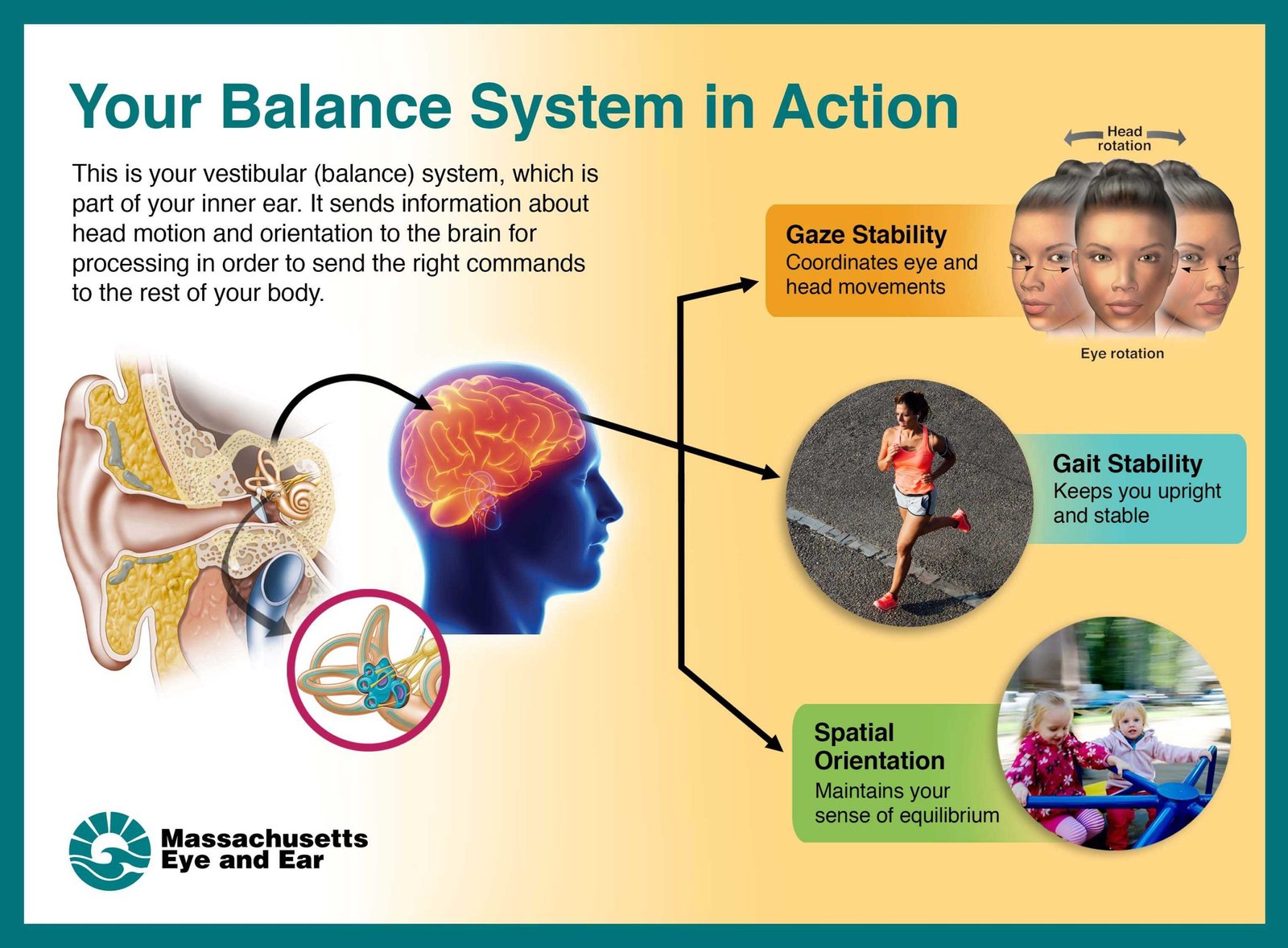
Maintaining balance is like a finely tuned dance happening inside your body, keeping you steady on your feet and alert to changes around you. The secret lies in a complex network of sensors, muscles, and the brain working together seamlessly to keep your body upright and stable. In just a moment, I’ll reveal the key to how your body stays balanced, which involves your inner ear, vision, and proprioception working in harmony.
Your body’s balance system relies on the vestibular apparatus in your inner ear, visual cues, and sensory receptors in muscles and joints. These elements constantly communicate with your brain, adjusting your posture and movements to prevent falls and maintain coordination. Understanding this intricate system helps us appreciate how our bodies effortlessly stay upright and adapt to different environments.

Understanding How Human Body Balance Works
The human body is like a well-tuned machine that maintains stability through a complex system. Balancing involves multiple parts working together smoothly to keep us upright and functioning properly. Learning how this balance is achieved helps us understand how to stay healthy and avoid falls or injuries.
The Role of the Nervous System in Body Balance
The nervous system acts as the control center for balance. It gathers information from different parts of the body and the environment. This system then sends signals to muscles to adjust posture accordingly.
How the Brain Contributes to Balance
The brain processes sensory information from the eyes, ears, and muscles. It determines the body’s position and decides how to respond. The cerebellum, a specific part of the brain, is especially important for coordinating balance.
Peripheral Nerves and Sensory Feedback
Peripheral nerves send signals from muscles and joints to the brain. This feedback helps the brain understand body position and movement. Accurate sensory feedback is essential for quick and precise responses to maintain balance.
The Vestibular System: Your Inner Balance Sensor
The vestibular system is located in the inner ear. It detects head movements and changes in position. This system sends signals to the brain to help adjust body posture instantly.
Components of the Vestibular System
- Semicircular Canals: Detect rotational movements.
- Otolith Organs: Sense linear movements and gravity.
How the Vestibular System Works
When you turn your head, the semicircular canals send signals to the brain. The otolith organs inform the brain about your body’s position relative to gravity. Together, they keep you balanced during movement.
The Visual System’s Contribution to Balance
Our eyes provide vital information about our surroundings. Vision helps us judge distances and detect obstacles, which is crucial for maintaining stability.
Why Accurate Vision Matters
If vision is blurry or impaired, our ability to balance decreases. This can lead to dizziness or falls, especially in unfamiliar environments.
Role of Visual Cues
- Noticing changes in the environment.
- Assisting the vestibular system in orienting the body.
Muscle Strength and Coordination for Maintaining Balance
Muscles are the body’s motors that keep us upright. Strong and well-coordinated muscles respond quickly to signals from the nervous system.
Importance of Core Muscles
Core muscles in the abdomen, back, and pelvis act like a stabilizer for the entire body. Keeping these muscles strong helps prevent wobbling or falling.
Muscle Flexibility and Balance
Flexible muscles can stretch and move freely, reducing the risk of strains that could impair balance. Stretching regularly supports healthy muscle function.
How Different Systems Work Together to Maintain Balance
Balance is a team effort involving sensory input, brain processing, and muscle responses. When all systems work in harmony, stability is maintained seamlessly.
Example of Coordination in Action
Walking on uneven ground requires a quick response from sensory systems to detect changes, the brain to process this information, and muscles to adjust posture accordingly.
Common Causes of Balance Problems
Several factors can disrupt this intricate balance system. Understanding these causes helps in preventing falls and injuries.
Age-Related Changes
As people age, sensory systems and muscle strength decline, making balance harder to maintain. Regular exercise can slow down these changes.
Medical Conditions Affecting Balance
- Inner ear infections or disorders like vestibular neuritis.
- Neurological diseases such as Parkinson’s or multiple sclerosis.
- Vision problems including cataracts or glaucoma.
Medications and Balance
Some medications may cause dizziness or impair coordination, increasing fall risk.
Tips and Exercises to Improve Balance
Practicing specific exercises can strengthen systems involved in balance, reducing fall risk and boosting confidence.
Simple Balance Exercises
- Stand on one foot for a few seconds, then switch.
- Walk heel-to-toe in a straight line.
- Sit and stand repeatedly without using hands.
Strengthening Core Muscles
Engage in activities like planks or yoga to build core strength, which stabilizes the entire body.
Improving Vision and Sensory Input
Regular eye checkups and maintaining good lighting help improve visual cues. Sensory exercises, like balancing on different surfaces, can boost proprioception.
The Importance of Lifestyle Choices in Maintaining Balance
Healthy habits play a significant role in preserving the body’s balance systems. Staying active and eating well supports overall stability.
Diet and Hydration
A balanced diet rich in vitamins like B12 and D supports nerve and bone health. Staying hydrated prevents dizziness caused by dehydration.
Physical Activity
Regular exercise enhances muscle strength, flexibility, and coordination. Activities like walking, swimming, and tai chi are excellent for balance.
Managing Medications and Health Conditions
Working with healthcare providers to manage chronic conditions and medications minimizes side effects that could affect balance.
Summary of Key Factors in Human Body Balance
| System | Function | Key Components |
|---|---|---|
| Nervous System | Processes sensory information and coordinates muscle responses | Brain, nerves, cerebellum |
| Vestibular System | Detects head movements and helps with spatial orientation | Inner ear, semicircular canals, otolith organs |
| Visual System | Provides environmental cues for orientation | Eyes, optic nerve |
| Musculoskeletal System | Supports body posture and movement | Muscles, bones, joints |
In essence, maintaining human body balance depends on the seamless interaction of sensory input, brain processing, and muscle responses. Supporting these systems through exercise, good nutrition, and health management helps keep us steady and upright.
How Your Ears Help You Keep Your Balance
Frequently Asked Questions
What role does the nervous system play in maintaining body balance?
The nervous system acts as the body’s control center, constantly receiving information from sensory receptors about our position and movement. It processes this data quickly and sends signals to muscles and joints to make necessary adjustments, ensuring stability and coordination. This rapid communication helps the body respond effectively to changes in posture or movement, maintaining overall balance.
How do muscles contribute to maintaining equilibrium?
Muscles provide the力量 needed to stabilize the body during movement or when standing still. When the body shifts out of alignment, muscles automatically contract or relax to counteract the imbalance. This dynamic adjustment helps keep our posture steady, prevents falls, and allows us to perform complex movements with precision.
What impact does the inner ear have on body balance?
The inner ear contains the vestibular system, which detects changes in head position and movement. This system sends signals to the brain about our orientation relative to gravity. The brain then integrates this information with visual cues and proprioceptive feedback to coordinate eye movements, posture, and muscle activity, all of which are essential for maintaining equilibrium.
How does visual input assist in balancing the body?
Visual cues provide critical information about our environment and our position within it. When we see the ground beneath us or objects around us, our brain uses this information to adjust our posture and movement. Reliable visual input helps us maintain stability, especially when other sensory systems are compromised or less effective.
Why is proprioception important for body balance?
Proprioception refers to the body’s ability to sense its position and movement in space through receptors in the skin, muscles, and joints. This sensory feedback allows the brain to make real-time adjustments to posture and movement. Good proprioception enhances coordination and helps prevent falls by providing accurate information about body positioning at all times.
Final Thoughts
The human body maintains balance through a complex interplay of systems working in harmony. The brain coordinates sensory inputs, muscles, and the inner ear to keep us steady. Proper nutrition, exercise, and rest support this delicate equilibrium.
Understanding how human body balance functions helps us appreciate its resilience. Maintaining this balance ensures overall health and well-being.
As an Amazon Associate, We earn from qualifying purchases. When you purchase a product through Amazon links on pulsefitguide.com, we may earn a small commission at no extra cost to you. This helps support the site and keep our content free.
