


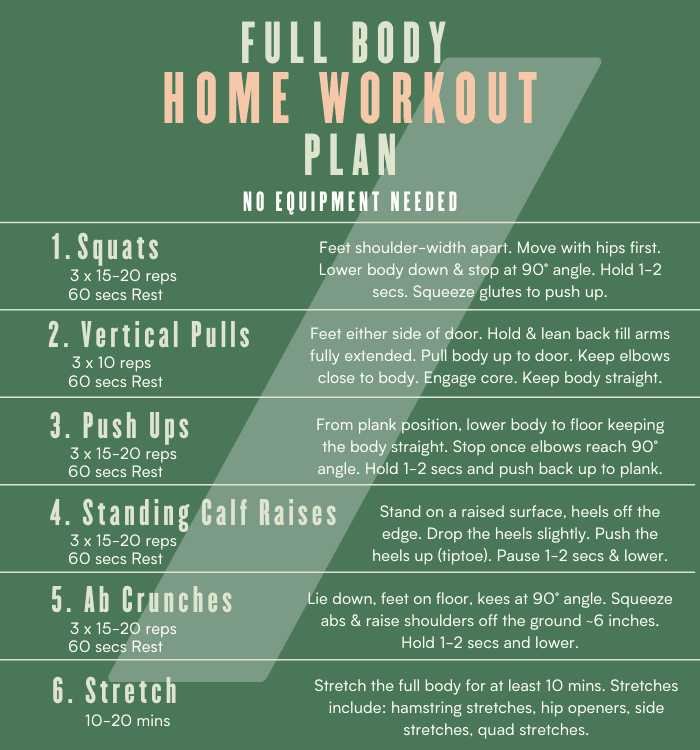
Looking to get fit without stepping out of your home? Starting a full body workout routine is a fantastic way for beginners to build strength, boost energy, and improve overall health—all from the comfort of their living room. The key is to keep it simple, consistent, and enjoyable. A well-balanced schedule can help you target all major muscle groups in just 30-45 minutes, three to four times a week.
In short, a beginner-friendly full body workout schedule includes basic bodyweight exercises like push-ups, squats, lunges, planks, and burpees. These moves can be easily adapted to your fitness level and require no equipment. Stick to this plan, maintain good form, and gradually increase intensity to see progress.
Starting a full body workout at home may seem daunting, but it’s actually straightforward and highly effective for beginners. No gym membership needed—just some motivation and consistency. With a simple plan that covers all muscle groups, you’ll see results and build a solid fitness foundation in no time. This schedule is designed to be flexible, allowing you to fit exercise into your daily routine while establishing healthy habits that last.

Full Body Home Workout Schedule for Beginners
Starting a workout routine at home can be simple and effective, especially for beginners. A well-organized full body workout schedule helps you build strength, improve endurance, and stay motivated. This guide will give you clear steps to create a balanced workout plan that fits your lifestyle.
Understanding the Benefits of a Full Body Workout
Full body workouts target all major muscle groups in one session, making them efficient for beginners. These routines allow you to work out fewer days while still seeing progress. Additionally, they help improve overall fitness, flexibility, and balance.
Why Choose a Full Body Schedule for Beginners?
Beginners often find full body workouts easier to follow because they focus on fundamental movements and muscles. These sessions prevent muscle imbalance and reduce the risk of injury. Plus, they fit well into busy schedules, providing comprehensive exercise in a shorter period.
How to Design Your Full Body Workout Schedule
Assess Your Fitness Level
Start by evaluating your current fitness to choose appropriate exercises and intensities. If you’re new, focus on lighter weights, fewer repetitions, and proper form. Gradually increase difficulty as your strength improves.
Set Realistic Goals
Define what you want to achieve, such as building muscle, losing weight, or improving stamina. Clear goals keep you motivated and help tailor your workout schedule effectively.
Determine Workout Frequency
For beginners, exercising three to four times a week is ideal. This provides enough rest for recovery while maintaining consistency. Rest days are crucial to allow muscles to repair and grow.
Sample Weekly Full Body Workout Schedule
| Day | Workout Focus |
|---|---|
| Monday | Full Body Workout A |
| Tuesday | Rest or Light Activity (walking, stretching) |
| Wednesday | Full Body Workout B |
| Thursday | Rest or Light Activity |
| Friday | Full Body Workout C |
| Saturday | Optional Light Cardio or Active Rest |
| Sunday | Rest |
Core Components of a Full Body Workout for Beginners
Warm-Up Exercises
Always start with a 5-10 minute warm-up to boost blood flow and prevent injuries. Examples include jumping jacks, arm circles, or brisk walking.
Main Workout Movements
The core of your session includes exercises targeting different muscle groups. Focus on proper form and controlled movements to maximize effectiveness.
Cool-Down and Stretching
Finish with 5-10 minutes of gentle stretching to reduce muscle tension and improve flexibility. Focus on muscles used during the workout.
Sample Full Body Workout for Beginners
Workout A
- Bodyweight Squats – 3 sets of 10 repetitions
- Push-Ups (knee or standard) – 3 sets of 8 repetitions
- Bird Dogs – 3 sets of 10 repetitions per side
- Plank Hold – 3 sets of 20 seconds
Workout B
- Lunges – 3 sets of 10 repetitions per leg
- Incline Push-Ups – 3 sets of 10 repetitions
- Glute Bridges – 3 sets of 12 repetitions
- Superman Exercise – 3 sets of 10 repetitions
Workout C
- Step-Ups (using a sturdy chair or step) – 3 sets of 10 repetitions per leg
- Chair Dips – 3 sets of 8 repetitions
- Russian Twists – 3 sets of 15 repetitions per side
- Mountain Climbers – 3 sets of 20 seconds
Progression Tips for Beginners
To continually challenge your body, gradually increase repetitions, sets, or exercise difficulty. For example, move from knee push-ups to full push-ups or add light weights.
Tracking Your Progress
Keep a workout journal to record exercises, weights, and repetitions. Tracking helps you stay motivated and see tangible improvements over time.
Additional Tips for Success
- Consistency is key; stick to your schedule even if motivation dips.
- Focus on form to prevent injuries and maximize benefits.
- Stay hydrated and maintain a balanced diet to support your workout routine.
- Incorporate rest days to allow your muscles to recover properly.
- Mix up your workouts every few weeks to keep your routine engaging and effective.
Equipment Options for Home Workouts
You don’t need fancy gym equipment to get started. Basic items can enhance your routines:
- Resistance bands
- Light dumbbells or water bottles
- Stability ball
- Chair or sturdy bench
Common Mistakes to Avoid
Beginners often make mistakes that hinder progress or cause injury. Avoid rushing through exercises and neglecting warm-up or cool-down. Prioritize proper technique over the number of repetitions.
A balanced full body home workout schedule can help beginners build strength, lose weight, and improve overall health. By following a structured plan, focusing on proper form, and gradually increasing challenges, you can enjoy consistent progress. Remember, patience and persistence are your best allies in this fitness journey.
Full Body Workout Without Equipment
Frequently Asked Questions
How can beginners stay motivated to stick to a home workout routine?
Maintaining motivation starts with setting clear, achievable goals and tracking your progress. Find activities you enjoy to make workouts more fun and rewarding. Incorporate variety into your routine to prevent boredom, and schedule workouts at consistent times each day. Additionally, sharing your goals with friends or family can provide accountability and encouragement to stay committed.
What are some effective exercises for targeting multiple muscle groups at home?
Bodyweight exercises such as squats, push-ups, lunges, and planks effectively engage multiple muscle groups simultaneously. Combining movements like burpees and mountain climbers can boost cardiovascular health while working various muscles. Incorporate resistance bands if available to add intensity. Focusing on compound exercises allows you to work several muscles in each movement, maximizing your workout efficiency.
How should beginners structure their workout sessions for balanced development?
Beginners should aim for sessions that include warm-up, workout, and cool-down phases. Design routines that cover all major muscle groups across the week, alternating between upper body, lower body, and core workouts. Perform each exercise with proper form, starting with lower repetitions and increasing gradually. Rest periods of 30 to 60 seconds between sets help maintain energy levels and promote recovery. Consistency and proper progression ensure balanced muscle development over time.
Final Thoughts
A full body home workout schedule for beginners offers an accessible way to build strength and improve fitness. Focus on simple exercises like push-ups, squats, and planks to target multiple muscle groups. Consistency and proper form ensure progress without the need for equipment.
Set realistic goals and gradually increase intensity to stay motivated and avoid injury. Incorporate rest days to allow muscles to recover. Following this plan helps beginners develop a solid foundation for ongoing fitness.
In conclusion, a full body home workout schedule for beginners simplifies starting an exercise routine and promotes steady growth. It remains practical, effective, and easy to follow, making it ideal for those new to fitness.
As an Amazon Associate, We earn from qualifying purchases. When you purchase a product through Amazon links on pulsefitguide.com, we may earn a small commission at no extra cost to you. This helps support the site and keep our content free.
