


Fat burners can sometimes slow down your metabolism, but it depends on the ingredients and how your body reacts. Some products may have a counterproductive effect, leading to decreased metabolic rate over time, while others can boost your energy and fat-burning capacity. It’s essential to understand which ingredients to watch out for and how to use fat burners safely for optimal results.
In short, not all fat burners slow down metabolism; some can even enhance it if chosen wisely. However, certain ingredients or excessive use might have the opposite effect. Knowing how these supplements influence your body helps you make smarter choices and avoid potential setbacks in your weight loss journey. Always consult a healthcare professional before starting any new supplement regimen to ensure it’s suitable for you.
If you’re wondering whether fat burners could be hindering your metabolism, you’re not alone. Many people are curious about the potential side effects of these popular weight loss aids. While some fat burners may contain ingredients that temporarily suppress appetite or increase energy, others might interfere with your natural metabolic processes, especially if used improperly or in excess. Understanding the nuances between different products and their ingredients can help you decide if they’re right for your goals. The key is to focus on a balanced approach that combines healthy eating, regular exercise, and informed supplement use—because no fat burner alone can replace good habits.

Can Fat Burners Slow Metabolism?
Understanding How Fat Burners Work
Fat burners are popular supplements meant to help people lose weight faster. They often contain ingredients like caffeine, green tea extract, or thermogenic compounds. These ingredients aim to boost your body’s ability to burn fat by increasing energy expenditure.
Most fat burners are designed to stimulate your central nervous system. This stimulation can increase your heart rate and boost calorie burn throughout the day. When used correctly, they may help you shed pounds more efficiently.
Do Fat Burners Actually Slow Down Your Metabolism?
Some people worry that fat burners might slow their metabolism over time. While some ingredients can cause temporary changes, most fat burners do not lead to a long-term decrease in metabolic rate.
Certain components, like high doses of caffeine, can cause a rapid initial boost in metabolism. However, if you rely on fat burners daily, your body might adapt, making the supplement less effective.
How Metabolism Works
Your metabolism is the process your body uses to convert food into energy. It depends on factors like age, gender, weight, and activity level.
Your basal metabolic rate (BMR) is the number of calories your body needs at rest. Physical activity and digestion also contribute to total daily calorie burn. Therefore, any supplement affecting metabolism should be assessed in context.
Can Some Ingredients in Fat Burners Impact Metabolism Negatively?
Some ingredients in fat burners can potentially interfere with normal metabolic function.
Caffeine and Thermogenic Agents
While caffeine can temporarily boost metabolism, excessive intake might lead to tolerance. Over time, your body may reduce its response, lessening the boost effect.
Yohimbine and Ephedra
These stimulants can increase heart rate significantly, which might stress the system if used long term. They may also cause symptoms like jitteriness or fatigue, impacting overall metabolic health.
Potential Risks of Using Fat Burners for Metabolism
Using fat burners improperly can cause adverse effects on your energy levels and overall health.
- Excessive stimulant consumption can lead to heart palpitations
- High doses may cause jitteriness, anxiety, or insomnia
- Long-term reliance might impair your body’s natural ability to regulate metabolism
It is essential to consult a healthcare provider before starting any supplement, especially if you have underlying health conditions.
The Role of Diet and Exercise in Maintaining a Healthy Metabolism
Supplements should not replace healthy habits.
A balanced diet rich in protein, fiber, and healthy fats supports metabolic health. Regular physical activity, especially resistance and aerobic exercises, keeps your metabolism active.
Instead of depending on fat burners, focusing on consistent lifestyle changes yields more sustainable results.
The Difference Between Short-Term and Long-Term Effects
Fat burners often provide quick boosts in calorie burn initially.
However, these effects might diminish as your body adapts, leading to a plateau in weight loss.
Long-term, sustainable weight management depends more on habits like diet, activity, and sleep than on supplements.
Are There Safer Alternatives to Fat Burners?
Yes, natural ways to support metabolism include maintaining a healthy diet, staying active, and getting enough sleep.
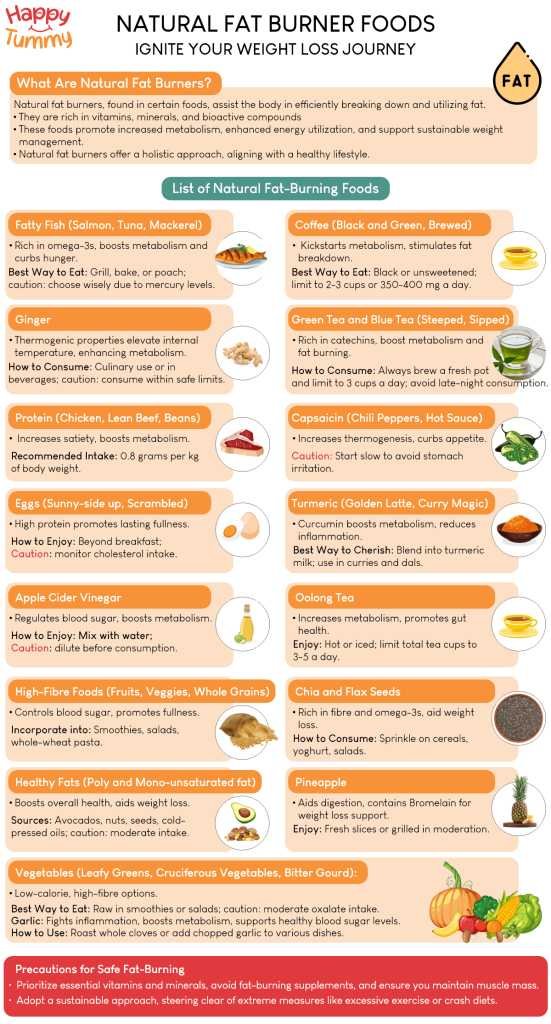
Certain foods like chili peppers, green tea, and coffee contain natural compounds that can slightly increase metabolic rate.
Supplements like omega-3 fatty acids or protein powders can also support metabolic health safely when used correctly.
While some ingredients in fat burners can cause temporary increases in metabolic rate, they are unlikely to slow down your metabolism long-term. Excessive or improper use of fat burners might pose health risks or diminish their effectiveness over time.
The best way to support and sustain a healthy metabolism remains a combination of balanced nutrition, regular exercise, and good sleep habits. Avoid relying solely on supplements and focus on building healthy routines for lasting weight management.
Slow Metabolism Is a Myth (Not Kidding) – Dr. Berg
Frequently Asked Questions
Can taking fat burners interfere with your body’s natural metabolic rate?
Some fat burners contain ingredients that may temporarily boost metabolism, but excessive or prolonged use can cause your body to adapt, potentially leading to a slowdown in natural metabolic processes. It’s important to use these supplements responsibly and combine them with healthy habits to avoid disrupting your metabolism.
Do certain ingredients in fat burners have the potential to suppress metabolism over time?
Ingredients such as stimulants, if used excessively, can initially increase energy expenditure but may lead to fatigue or reduced metabolic efficiency when their effects diminish. Long-term reliance on these ingredients might suppress your body’s ability to burn calories efficiently, underscoring the need for moderation.
Are there risks involved in using fat burners that could negatively impact metabolic health?
Yes, some fat burners contain compounds that may cause adverse effects on metabolic health, such as increased heart rate or hormonal imbalances. Such side effects can disturb your metabolic functions, highlighting the importance of consulting with a healthcare professional before starting any supplement regimen.
Final Thoughts
Fat burners can impact metabolism differently based on their ingredients and usage. Some may temporarily boost energy, but others could cause the body to adapt and slow down metabolic rate over time.
While they often promise quick results, they are not a sustainable solution for weight management.
Can fat burners slow metabolism? Yes, certain formulations and prolonged use might lead to a decreased metabolic rate, hindering long-term progress. Use caution and prioritize natural, balanced methods for healthier results.
As an Amazon Associate, We earn from qualifying purchases. When you purchase a product through Amazon links on pulsefitguide.com, we may earn a small commission at no extra cost to you. This helps support the site and keep our content free.
