


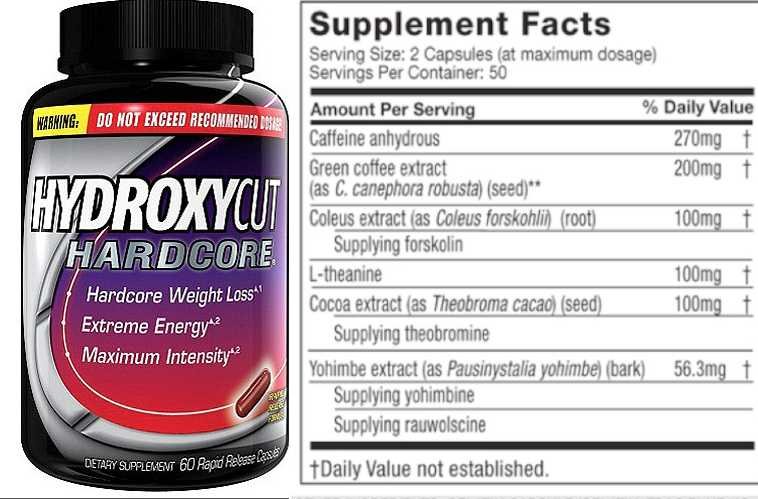
Fat burners can be appealing for those looking to shed extra pounds, but are they safe for diabetics? The short answer is that most fat burners are not recommended for diabetics without medical supervision, as they can interfere with blood sugar levels or interact with medications. Always consult your healthcare provider before trying any weight-loss supplement if you have diabetes.
While the idea of quick weight loss sounds tempting, diabetics must be cautious because certain ingredients in fat burners might cause unwanted side effects or destabilize their condition. Managing weight is important, but safety and blood sugar control should come first. Understanding which options are safe and which to avoid is crucial to prevent health complications. Let’s explore the risks and safe strategies for diabetics considering weight loss supplements or fat burners.

Are Fat Burners Safe for Diabetics?
Understanding Fat Burners and Their Components
Fat burners are dietary supplements designed to help people lose weight by increasing metabolism or decreasing appetite. They often contain ingredients like caffeine, green tea extract, garcinia cambogia, and capsaicin. Some formulations include herbs or chemicals that stimulate the nervous system or promote fat breakdown.
While these ingredients can be effective for some, their safety for diabetics is a critical concern. Diabetics have unique health needs, and certain fat burner components may impact blood sugar levels or interact with medications.
Potential Risks of Fat Burners for People with Diabetes
Many fat burners contain stimulants such as caffeine, which can cause rapid heart rate, increased blood pressure, or jitters. These effects may be more pronounced in diabetics with existing cardiovascular issues.
Certain ingredients may also influence blood glucose levels, either causing spikes or drops. For example, some herbal extracts can interfere with insulin or other diabetes medications, leading to unpredictable blood sugar control.
Impact of Common Fat Burner Ingredients on Diabetic Health
Caffeine
Caffeine increases energy expenditure but can also raise blood pressure and heart rate. For diabetics, high caffeine intake may lead to blood sugar fluctuations or dehydration. It’s essential to limit caffeine consumption from fat burners and other sources.
Green Tea Extract
Green tea contains catechins and caffeine, which can boost metabolism safely in moderation. Some studies suggest green tea may even improve insulin sensitivity, offering potential benefits for diabetics. However, high doses could cause side effects like stomach upset or insomnia.
Garcinia Cambogia
This popular ingredient claims to suppress appetite and block fat production. Its safety profile is uncertain, with some reports of liver damage and gastrointestinal issues. Diabetics should consult healthcare providers before using products with garcinia cambogia.
Capsaicin
Found in chili peppers, capsaicin may enhance fat burning and reduce appetite. It is generally safe but can cause stomach discomfort or skin irritation in sensitive individuals. For diabetics, large doses should be avoided to prevent gastrointestinal distress.
Research Findings and Scientific Evidence
Studies on fat burners and their effects on diabetics are limited. Some research indicates that certain ingredients, like green tea extract, may benefit insulin sensitivity. Conversely, others, especially stimulants, could pose health risks.
A 2015 review highlighted that dietary supplements are not regulated rigorously, making safety unpredictable. Many products contain undisclosed additives or contaminants, increasing the risk for diabetics with compromised health.
Consulting Healthcare Professionals Before Use
Always seek medical advice before starting any fat burner, especially if you have diabetes. Healthcare providers can evaluate potential interactions with medications and assess individual health status.
They may recommend safe fat loss strategies without supplements, such as diet modifications and increased physical activity. Professional guidance can help prevent complications and ensure weight management aligns with overall health goals.
Safe Alternatives to Fat Burners for Diabetics
Instead of relying on supplements, diabetics should consider natural and proven methods for weight loss. These include:
- Adopting a balanced diet rich in vegetables, lean proteins, and whole grains
- Engaging in regular physical activity like walking, swimming, or cycling
- Monitoring blood sugar levels closely to avoid hypo- or hyperglycemia
- Seeking support from nutritionists or diabetes educators for personalized plans
Proper diet and exercise remain the safest and most effective strategies for managing weight and blood sugar levels.
The Role of Diet and Lifestyle in Weight Loss for Diabetics
Focus on portion control, reducing processed foods, and avoiding sugary beverages. Incorporate physical activities that you enjoy and can sustain over time.
Combining these habits with regular medical checkups can yield better outcomes than supplement use alone. Lifestyle changes also improve insulin sensitivity and overall cardiovascular health.
Summary of Key Points
- Many fat burners contain ingredients that may impact blood sugar and cardiovascular health in diabetics.
- Stimulants like caffeine pose risks such as increased blood pressure and irregular heartbeats.
- Natural ingredients like green tea extract could offer some benefits but should be used cautiously.
- Always consult healthcare professionals before using any weight loss supplements.
- Prioritizing diet, activity, and medical guidance is safest for diabetes management and weight loss.
In conclusion, fat burners are generally not recommended for diabetics without medical supervision. The potential risks often outweigh the benefits, especially given the complex needs of blood sugar management.
Emphasizing healthy lifestyle habits provides a safer path to weight loss and better diabetes control. Remember, personalized advice from healthcare providers is key to choosing the best approach for your health.
Ozempic is a game-changer. Here’s how it works.
Frequently Asked Questions
What are the potential risks of using fat burners if I have diabetes?
Fat burners may contain stimulants or ingredients that can affect blood sugar levels or interact with diabetes medications. Some substances could cause rapid heart rate, blood pressure fluctuations, or interfere with insulin regulation. It is important for diabetics to consult healthcare providers before using any fat-burning supplement to assess the potential risks and ensure safety.
Can fat burners impact blood sugar control in diabetics?
Yes, certain ingredients in fat burners might influence blood glucose levels. Some stimulants can increase adrenaline, leading to elevated blood sugar, while others might reduce insulin sensitivity. Regular monitoring and medical advice are essential when considering fat burners, to prevent unwanted fluctuations in blood sugar control.
Are there fat burners specifically formulated for diabetics?
Currently, there are few, if any, fat burners designed exclusively for diabetics. Most supplements are formulated for the general population and do not account for the unique metabolic considerations of diabetes. Diabetics should focus on safe weight management strategies recommended by healthcare professionals instead of relying solely on over-the-counter fat burners.
What precautions should diabetics take before using fat burners?
Diabetics should speak with their healthcare providers before starting any fat-burning supplement. It is crucial to review the ingredients for potential interactions, monitor blood sugar levels closely, and stay aware of any side effects. Adopting a balanced diet and regular exercise may provide safer and more effective weight management options.
Are natural or herbal fat burners safer for diabetics?
Natural or herbal fat burners may seem safer, but they still carry risks and can affect blood sugar levels unpredictably. Some herbs can interfere with diabetes medications or have their own side effects. Always consult with a healthcare professional to evaluate the safety of herbal supplements before use.
Final Thoughts
Fat burners can pose risks for diabetics, especially if they contain stimulants or unregulated ingredients. These substances might cause blood sugar fluctuations or interact negatively with medications. Consulting a healthcare provider before use remains essential.
Ultimately, are fat burners safe for diabetics? The answer depends on individual health conditions and product ingredients. Always prioritize medical advice and focus on balanced nutrition and exercise over supplements.
As an Amazon Associate, We earn from qualifying purchases. When you purchase a product through Amazon links on pulsefitguide.com, we may earn a small commission at no extra cost to you. This helps support the site and keep our content free.
