


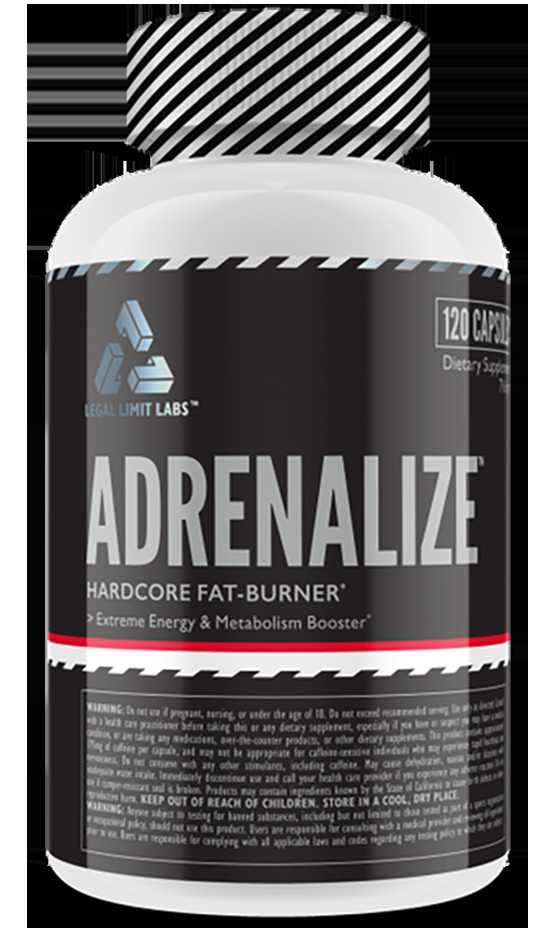
Yes, fat burners are generally legal, but their legality depends on the ingredients they contain and the country you’re in. Many fat burners are available over the counter without a prescription, but some may contain substances that are regulated or banned in certain regions. It’s essential to check the ingredients and local laws before purchasing or using these supplements.
Fat burners are popular among those looking to shed extra pounds quickly, but their legal status can be confusing. In most places, over-the-counter fat burners are legal as long as they contain approved ingredients. However, some formulations may include banned substances, making them illegal to sell or use. Always do your research and consult a healthcare professional to ensure you’re staying within legal boundaries and prioritizing your health. With regulations varying worldwide, knowing what’s permitted can save you from potential legal issues or health risks.

Are Fat Burners Legal? A Complete Guide
Understanding What Fat Burners Are
Fat burners are dietary supplements designed to help people lose weight quickly. They work by boosting metabolism, reducing appetite, or increasing energy levels. These products are popular among those trying to shed pounds and improve their body shape.
Different Types of Fat Burners
Fat burners come in various forms including pills, powders, and drinks. Some contain natural ingredients like green tea extract or caffeine, while others have synthetic compounds. The type of fat burner you choose can influence its legality and safety.
Legal Status of Fat Burners: An Overview
The legality of fat burners depends on the ingredients used and the country where they are sold. Generally, products with natural ingredients are legal, while those containing certain synthetic compounds may be restricted or banned. It is important to understand local laws before purchasing or using these supplements.
Regulations in Different Countries
- United States: The Food and Drug Administration (FDA) oversees supplements, but they are not regulated as strictly as medications. Some fat burners are approved, while others are banned due to dangerous ingredients.
- European Union: Supplements must comply with the European Food Safety Authority (EFSA). Some ingredients are restricted or require approval before marketing.
- Canada: Health Canada regulates supplements, and products containing banned substances cannot be sold legally.
Common Ingredients and Their Legal Implications
Legal Ingredients
Many natural substances such as caffeine, green tea extract, and chili pepper are legal and commonly used in fat burners. These ingredients are generally considered safe when consumed within recommended doses.
Ingredients That Are Often Banned
Certain synthetic compounds like ephedra, DMAA, or sibutramine are banned in many countries due to serious health risks. Using products with these ingredients can lead to legal issues and health problems.
Risks of Using Illegally Marketed Fat Burners
Using fat burners with unapproved ingredients can cause adverse effects like increased heart rate, high blood pressure, and even more severe health complications. Additionally, selling or possessing banned products may lead to legal consequences.
How to Determine if a Fat Burner is Legal
To ensure a supplement’s legality, check for approval or certification from relevant health authorities. Look for transparent ingredient lists and avoid products with suspicious or unlisted substances. Consulting a healthcare professional before starting any supplement is also advisable.
How Regulations Affect the Market
Strict regulations make it harder for companies to sell dangerous products but can limit options for consumers. Many brands comply with laws by offering natural and approved ingredients, making their products safer and legal.
Alternatives to Fat Burners
Diet and exercise remain the safest ways to lose weight. Lifestyle changes like balanced eating, regular physical activity, and proper sleep are effective and do not carry legal concerns.
The Future of Fat Burners and Regulation
Regulatory agencies continue to update rules to keep consumers safe. New laws aim to restrict risky compounds and promote the use of natural ingredients. Consumers should stay informed about changes and only use approved products.
The question of whether fat burners are legal hinges on their ingredients and adherence to local laws. Always prioritize safety by choosing products approved by health authorities and consult a healthcare professional. Being informed helps ensure you safely achieve your weight loss goals without legal issues.
These “Legal Fat Burners” Are NOT Effective
Frequently Asked Questions
Are fat burners considered legal in most countries?
Yes, in many countries, fat burners are generally legal when sold as dietary supplements. However, their legality depends on the ingredients used and local regulations. Some ingredients might be banned or restricted, so consumers should check the specific laws in their country before purchasing or using these products.
Can prescription medications used as fat burners be legally obtained?
Prescription medications classified as fat burners are only legal when obtained through a licensed healthcare provider. Using or purchasing these drugs without a prescription is illegal and can pose health risks. Always consult a healthcare professional before considering prescription weight-loss medications.
Are natural or herbal fat burners considered safer legally?
Natural or herbal fat burners are often marketed as safer options and are generally legal in many regions. Nonetheless, regulations vary, and some herbal ingredients may be restricted or require approval. Consumers should verify the legal status and consult professionals if they have concerns about safety or legality.
Do regulations differ between over-the-counter and supplement products?
Over-the-counter fat burners and dietary supplements are regulated differently based on the country. In many places, supplements do not require approval before sale, but they must comply with safety standards. Some ingredients or formulas may be banned or restricted, so manufacturers must follow local rules to ensure legality.
Final Thoughts
Fat burners’ legality varies depending on their ingredients and where you buy them.
Some contain banned substances, making them illegal in many countries.
Always check local regulations and ingredient lists before purchasing or using these supplements.
In summary, understanding whether fat burners are legal helps you make informed choices.
Are fat burners legal? They can be, if they meet safety and regulation standards, so research thoroughly before use.
As an Amazon Associate, We earn from qualifying purchases. When you purchase a product through Amazon links on pulsefitguide.com, we may earn a small commission at no extra cost to you. This helps support the site and keep our content free.
