


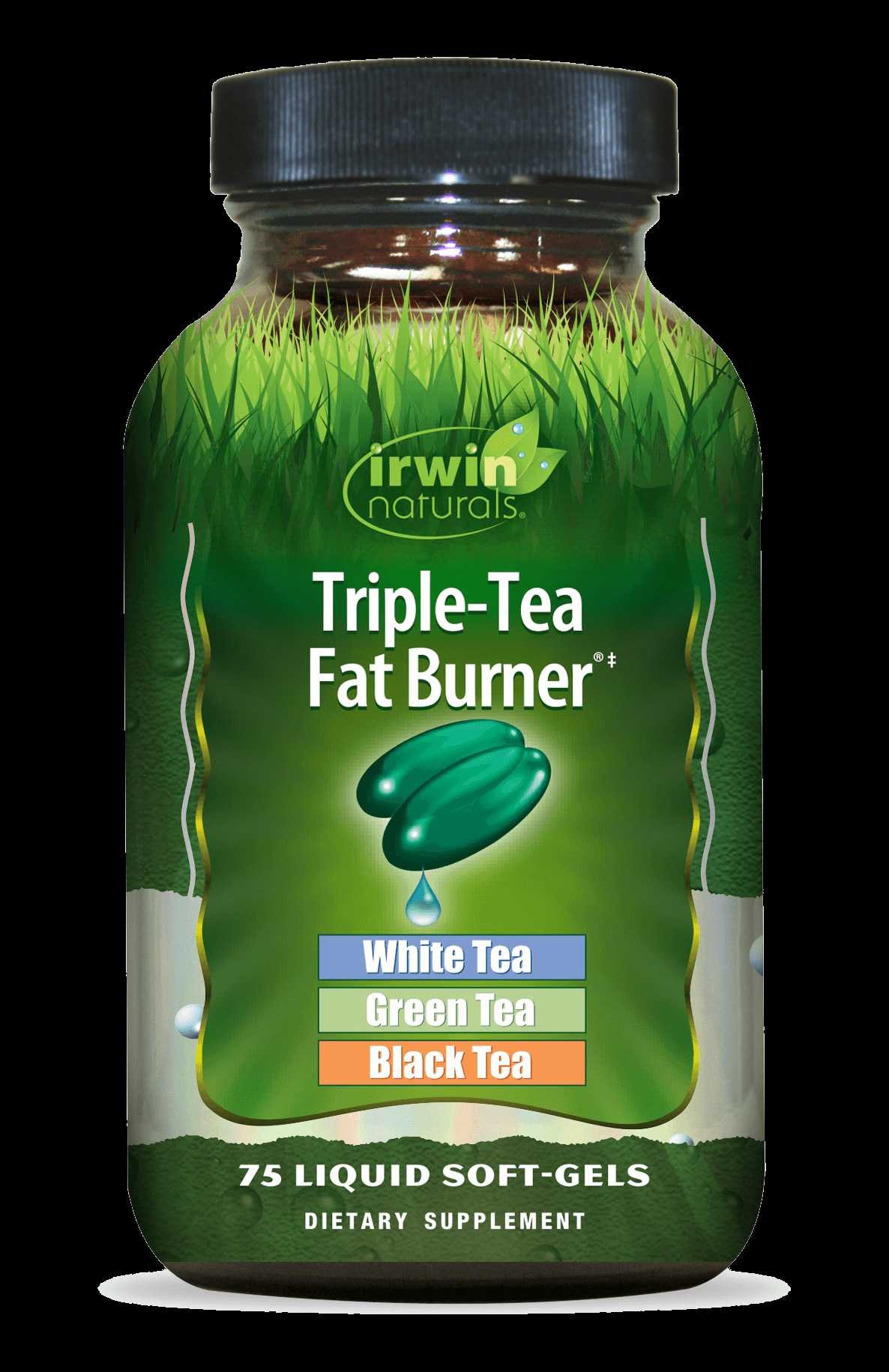
Fat burners can seem like a quick fix for weight loss, but are they really safe for your health? The short answer is that while some fat burners may offer benefits, they often come with risks and aren’t suitable for everyone. It’s essential to understand what you’re putting into your body and consider natural, sustainable methods for weight management instead of relying solely on supplements.
Fat burners can help boost metabolism and suppress appetite, but their safety largely depends on the ingredients and individual health conditions. Before jumping into their use, it’s wise to consult with a healthcare professional to weigh the potential benefits against the risks. Relying on balanced nutrition, regular exercise, and healthy lifestyle choices remains the safest and most effective way to achieve and maintain a healthy weight.

Are Fat Burners Healthy for You? Exploring the Facts
What Are Fat Burners and How Do They Work?
Fat burners are supplements designed to help your body burn fat more quickly. They often contain ingredients like caffeine, green tea extract, or other natural compounds. These ingredients are believed to boost your metabolism and increase energy levels.
Many fat burners aim to suppress appetite, making it easier to eat less. Others focus on increasing thermogenesis, the process of heat production in the body that burns calories. Understanding how they work helps you see if they might fit into your health goals.
Types of Fat Burners
- Prescription Fat Burners: These are medications prescribed by doctors and are usually stronger. They often contain ingredients like phentermine, which suppresses appetite significantly.
- Over-the-Counter Supplements: Found in stores or online, these have ingredients like caffeine, green tea extract, or citrus aurantium. They are available without a prescription.
- Natural Remedies: These include foods and herbs like chili peppers, cinnamon, or apple cider vinegar that may have mild fat-burning properties.
Knowing the type of fat burner helps you evaluate their safety and effectiveness better.
Are Fat Burners Safe to Use?
Safety depends on many factors, including your health, the ingredients, and dosage. Some fat burners contain stimulants that can cause side effects like increased heart rate or jitters. People with pre-existing conditions should be especially cautious.
It’s essential to consult a healthcare professional before starting any supplement. They can advise if a fat burner is suitable for your individual health profile. Using them improperly or in high doses increases the risk of adverse effects.
Potential Benefits of Fat Burners
Despite concerns, some users report benefits like faster weight loss and improved energy. When combined with a healthy diet and exercise, fat burners may give a slight boost.
They can also help reduce feelings of hunger, making it easier to stick to calorie-controlled meals. For some, this support improves motivation to stay active and healthy.
Possible Risks and Side Effects
Common side effects include sleeplessness, anxiety, and increased heart rate. Overuse or misuse can lead to more severe issues like high blood pressure or heart problems. Some ingredients may also interact with medications or cause allergic reactions.
Long-term safety data for many fat burners remains limited, so ongoing use without medical guidance can be risky. It’s crucial to weigh these risks against potential benefits.
The Role of Ingredients in Fat Burners
Understanding what goes into these supplements helps you decide whether they are safe and effective.
Caffeine
A popular stimulant that can temporarily boost metabolism and reduce appetite. Excess caffeine may cause jitteriness or sleep issues.
Green Tea Extract
Rich in antioxidants called catechins, which may enhance fat oxidation. It is generally safe and well-tolerated.
Citrus Aurantium
Derived from bitter orange, believed to stimulate metabolic rate. However, it can raise blood pressure and cause heart palpitations.
Other Ingredients
Herbs like garcinia cambogia or raspberry ketones are common but have limited evidence of effectiveness. Always check ingredient lists for potential allergens or harmful substances.
How to Use Fat Burners Responsibly
If you choose to try a fat burner, follow these guidelines for safer use:
- Start with a low dose to assess your body’s response.
- Avoid taking them late in the day to prevent sleep disturbances.
- Combine with a balanced diet rich in fruits, vegetables, and lean proteins.
- Maintain regular physical activity to support weight loss efforts.
- Monitor for any side effects and stop use if adverse reactions occur.
- Always consult a healthcare professional before beginning any supplement regimen.
Responsible use minimizes risks and helps you achieve your health goals.
Alternatives to Fat Burners
Supplements are not the only way to lose weight effectively. Lifestyle changes often provide safer, sustainable results.
Healthy Diet
Eating whole, unprocessed foods and controlling portion sizes. Focus on nutrient-dense options to support metabolism naturally.
Regular Exercise
Incorporate both cardio and strength training to burn calories and build muscle. Staying active helps maintain weight loss long-term.
Behavioral Changes
Tracking food intake, reducing stress, and ensuring adequate sleep improve overall health. These habits support natural weight management.
Research and Evidence Behind Fat Burners
Scientific studies show mixed results regarding fat burner effectiveness. Some ingredients like green tea and caffeine have modest proven benefits.
However, many products lack strong evidence to support their claims, and individual responses vary greatly. Regulation of supplements is less strict, making quality assurance important.
Who Should Avoid Fat Burners?
People with heart disease, high blood pressure, or anxiety disorders should avoid fat burners. Pregnant or breastfeeding women should also steer clear due to unknown risks.
Always talk to your doctor if you have existing health issues or are taking medication. Caution is essential to prevent complications.
Fat burners may offer some help for weight loss, but they are not magic solutions. Their safety and effectiveness depend on ingredients, proper use, and individual health conditions. Prioritizing healthy eating, regular physical activity, and medical guidance provides the safest path to achieving your weight goals.
The Truth on Fat Burner Supplements
Frequently Asked Questions
What are the potential health risks associated with using fat burners?
Using fat burners can pose several health risks, especially if they contain stimulants or unregulated ingredients. Some common side effects include increased heart rate, elevated blood pressure, insomnia, and jitters. In certain cases, these supplements can lead to more serious issues such as heart palpitations or liver damage. It is important to consult with a healthcare professional before starting any fat burner to understand these risks fully and ensure they suit your health needs.
How do fat burners impact energy levels and overall well-being?
Many fat burners contain ingredients like caffeine or green tea extract, which can temporarily boost energy and alertness. However, these effects may be accompanied by crashes, increased anxiety, or dehydration. Relying heavily on fat burners for energy can sometimes lead to fatigue once the effects wear off. Prioritizing balanced nutrition and regular exercise provides more sustainable improvements in your energy and well-being.
Are natural or herbal fat burners safer than synthetic options?
Natural or herbal fat burners are generally considered safer because they often contain plant-based ingredients with fewer synthetic chemicals. Nevertheless, they can still cause side effects or interact with medications, especially in high doses. Always read labels carefully and consult a healthcare provider to evaluate whether a natural supplement fits your health profile and goals.
Can fat burners replace a healthy diet and exercise routine?
No, fat burners should not replace healthy habits like a balanced diet and regular exercise. They are intended to supplement efforts toward weight management, not serve as the main method. Relying solely on fat burners without making lifestyle changes can lead to disappointing results and potential health issues. Focus on sustainable habits for long-term success.
What should I consider before choosing a fat burner supplement?
Before selecting a fat burner, review its ingredients and check for scientific backing of its efficacy. Consider your overall health, any existing conditions, and medications you take. It’s also wise to start with lower doses to observe how your body responds. Consulting a healthcare professional ensures you make a safe choice aligned with your health and weight goals.
Final Thoughts
Les fat burners peuvent sembler une solution rapide pour perdre du poids. Cependant, leur efficacité et leur sécurité varient selon les ingrédients et la personne. Certains produits contiennent des substances qui peuvent causer des effets secondaires indésirables.
Il est essentiel de consulter un professionnel de santé avant d’utiliser ces suppléments. La perte de poids durable repose principalement sur une alimentation équilibrée et de l’exercice régulier.
Are fat burners healthy for you? La réponse dépend de l’individu et des produits utilisés. En général, ils ne remplacent pas un mode de vie sain et comportent des risques potentiels.
As an Amazon Associate, We earn from qualifying purchases. When you purchase a product through Amazon links on pulsefitguide.com, we may earn a small commission at no extra cost to you. This helps support the site and keep our content free.
