


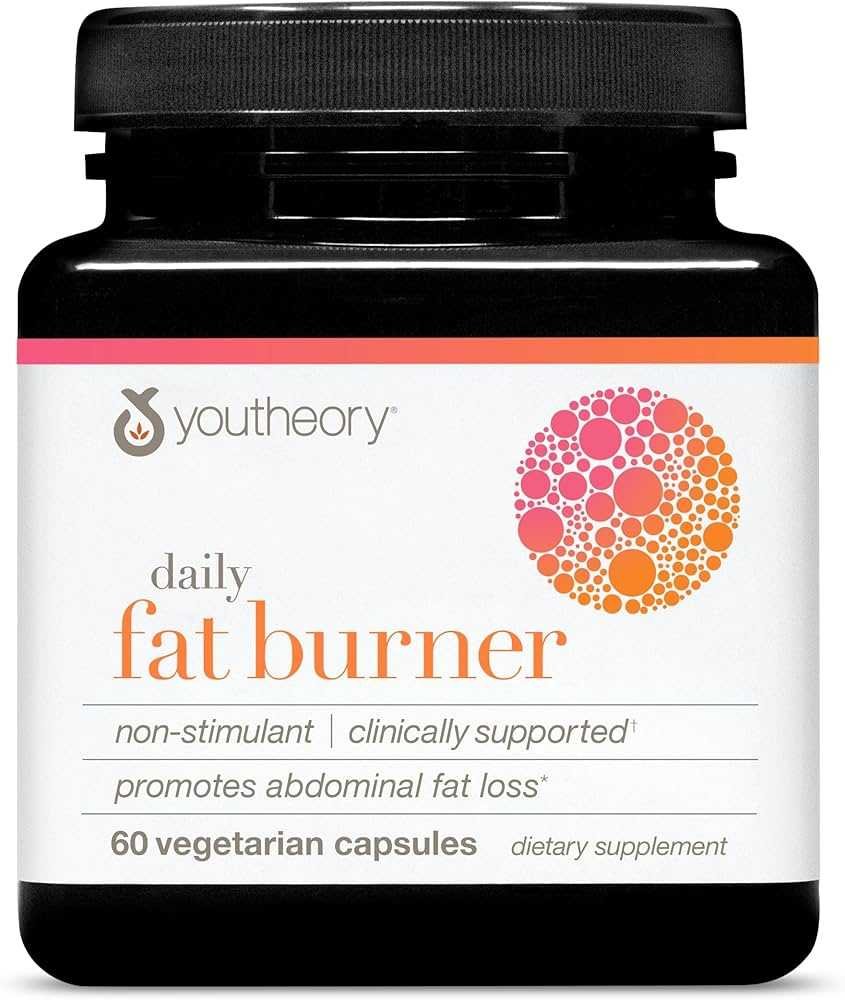
Fat burners can seem like a quick fix for shedding pounds, but are they truly safe and healthy? The short answer is that some fat burners may offer temporary help but often come with risks, especially if misused or taken without proper guidance. It’s important to understand that not all fat burners are created equal, and their safety depends on ingredients and individual health conditions. Before reaching for these supplements, it’s best to weigh the potential benefits against possible side effects. In this article, we’ll explore whether fat burners are a healthy option, what to consider before using them, and healthier alternatives for effective weight management.
Many people looking to lose weight wonder if fat burners are a safe shortcut. The reality is that while some can aid weight loss, they may also cause unwanted side effects or health issues. It’s crucial to approach these supplements with caution and prioritize natural methods like diet and exercise for sustainable results. Achieving a healthy weight is about more than quick fixes—it’s about making long-term lifestyle changes that support overall well-being.

Are Fat Burners Healthy? An In-Depth Look
What Are Fat Burners and How Do They Work?
Fat burners are supplements designed to help your body burn more fat. They usually contain ingredients intended to boost metabolism or suppress appetite. Many people use them to support weight loss efforts, but understanding how they work is important for safety.
Some common ingredients include caffeine, green tea extract, and cayenne pepper. These ingredients can increase energy levels and slightly boost calorie burning. However, their effects vary from person to person and depend on dosage.
Are Fat Burners Effective for Weight Loss?
Research shows that fat burners can provide a small boost in weight loss. But they are rarely enough on their own to lead to significant weight loss. Combining fat burners with a healthy diet and regular exercise produces better results.
It is important to remember that fat burners are not magic pills. They work best as part of a comprehensive weight management plan. Relying solely on supplements can lead to disappointment and potential health risks.
Potential Benefits of Fat Burners
Many users report increased energy and reduced hunger after taking fat burners. These effects make it easier to stick with a calorie-controlled diet and workout routine. Some ingredients also have antioxidant properties that support overall health.
Fat burners can also slightly raise your metabolic rate, helping you burn more calories throughout the day. For some, this can contribute to gradual and sustainable weight loss when combined with a healthy lifestyle.
Risks and Side Effects of Fat Burners
Despite their popularity, fat burners carry potential health risks. Common side effects include increased heart rate, jitters, insomnia, and digestive issues. Some ingredients may cause allergic reactions or interact with medications.
Certain ingredients like high doses of caffeine or ephedra have been linked to serious health problems. It is vital to read labels carefully and consult a healthcare professional before starting any supplement. Pregnant women and individuals with certain health conditions should avoid fat burners altogether.
Are Fat Burners Safe for Everyone?
Not all fat burners are suitable for every person. Those with heart issues, high blood pressure, or sensitivities to stimulants should avoid them. Children and teenagers should also steer clear of these supplements without medical advice.
Pregnant women and nursing mothers should avoid fat burners, as their safety is not well established. Always prioritize natural methods and consult a doctor before using any supplement, especially if you have existing health concerns.
Natural Alternatives to Fat Burners
Many natural strategies can support fat loss without supplements. These include balanced eating, regular physical activity, and staying hydrated. Eating more fruits, vegetables, lean proteins, and whole grains promotes weight management.
Getting enough sleep, reducing stress, and avoiding processed foods also help control appetite and enhance metabolism naturally. These methods are safer and often more effective in the long term than relying solely on supplements.
How to Choose Safe and Effective Fat Burners
If you decide to try a fat burner, choose products made by reputable companies. Look for transparent labels and avoid products with unproven or dangerous ingredients. Reading reviews and consulting healthcare providers can also help.
Start with the lowest effective dose to assess your tolerance. Monitor your body’s response and stop use if you experience adverse effects. Remember, no supplement replaces healthy habits and consistent effort.
In summary, fat burners may offer some benefits but are not a guarantee for weight loss or health. They can be safe when used responsibly and alongside a healthy lifestyle, but they carry risks.
Prioritize natural methods and consult healthcare professionals before use. The safest and most effective way to achieve your weight goals remains through balanced diet, regular exercise, and healthy habits.
The Truth on Fat Burner Supplements
Frequently Asked Questions
What are the potential health risks associated with fat burners?
Some fat burners contain ingredients that can cause side effects such as increased heart rate, high blood pressure, and sleep disturbances. Certain compounds may also lead to gastrointestinal issues or hormone imbalances. It’s essential to consult a healthcare professional before using these supplements, especially if you have existing health conditions or take medications.
Can fat burners negatively affect long-term health?
Depending on their ingredients and usage, some fat burners may pose long-term health concerns. Overuse or reliance on these supplements can strain the liver and kidneys or cause metabolic disturbances. Maintaining a balanced diet and regular exercise often provides safer, more sustainable weight management results.
Are there safe alternatives to using fat burners for weight management?
Yes, adopting a nutritious diet, engaging in consistent physical activity, and managing stress contribute to healthy weight loss without the risks associated with supplements. Consulting with a healthcare professional or a registered dietitian can help design a personalized plan that promotes long-term health and wellness.
Final Thoughts
In conclusion, are fat burners healthy? While they can aid weight loss, their safety varies based on ingredients and individual health. Some products may cause side effects or interact with medications. Always consult a healthcare professional before using fat burners. Prioritizing a balanced diet and regular exercise remains the safest approach.
As an Amazon Associate, We earn from qualifying purchases. When you purchase a product through Amazon links on pulsefitguide.com, we may earn a small commission at no extra cost to you. This helps support the site and keep our content free.
