


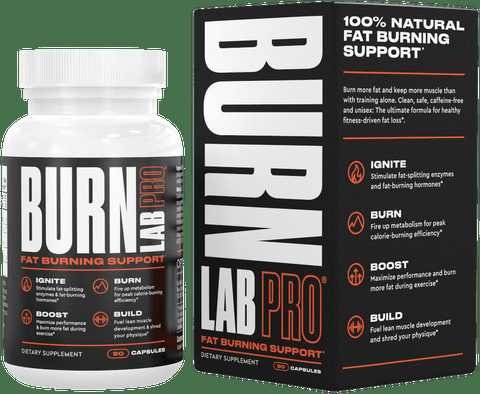
Fat burners can pose risks to your liver, especially if misused or taken in excess. While some formulations may be safe when used responsibly, many contain ingredients that can strain this vital organ, potentially causing damage over time. It’s essential to be cautious and consult a healthcare professional before starting any supplement.
In short, fat burners can be harmful to your liver if not used properly or if they contain harmful ingredients. Responsible use and professional guidance are key to minimizing the risks associated with these supplements.
Many people turn to fat burners in their quest for quick weight loss, but they often overlook the possible health repercussions, particularly for the liver. These supplements are marketed for their ability to boost metabolism and accelerate fat burning, yet behind the scenes, some ingredients might put undue stress on this crucial organ. The liver is responsible for detoxifying your body, processing nutrients, and metabolizing medications, making it vulnerable to harmful substances. Certain fat burners, especially those with high doses of stimulants or unregulated herbal compounds, can cause liver inflammation, damage, or even failure in extreme cases. Knowing the ingredients and understanding the potential risks can help you make safer choices in your weight loss journey.

Are Fat Burners Bad for Your Liver?
Understanding What Fat Burners Are
Fat burners are dietary supplements designed to help people lose weight quickly. They often contain a mix of ingredients like caffeine, herbs, and other compounds believed to boost metabolism. While some users find them helpful, concerns about their safety, especially for the liver, are common.
The Role of the Liver in Your Body
Your liver is a vital organ responsible for breaking down toxins, processing nutrients, and producing essential chemicals. It acts as a filter, removing harmful substances from your bloodstream. Because of this, anything that stresses or damages the liver can lead to serious health problems.
How Fat Burners Interact with the Liver
Many fat burners are metabolized in the liver, which processes their active ingredients. Some compounds in these supplements can overwork the liver, especially if taken in excess or combined with other medications. This overload can lead to liver inflammation or even damage.
Common Ingredients in Fat Burners and Their Effects
- Caffeine: Boosts energy and metabolism but can cause liver stress in high doses.
- Green Tea Extract: Contains antioxidants that support liver health but may cause issues if concentrated excessively.
- Synephrine: A stimulant similar to ephedrine that can increase blood pressure and strain the liver.
- Herbal Compounds: Some herbs like bitter orange and garcinia cambogia have been linked to liver toxicity in rare cases.
The Risks of Using Fat Burners for Your Liver
While some ingredients are generally safe in moderation, high doses or prolonged use may cause liver problems. These risks include liver inflammation (hepatitis), elevated liver enzymes, and, in severe cases, liver failure. People with pre-existing liver conditions are especially vulnerable.
Signs of Liver Damage to Watch Out For
- Jaundice (yellowing of skin and eyes)
- Dark urine
- Severe fatigue
- Abdominal pain in the upper right area
- Nausea and vomiting
If you notice these symptoms, seek medical attention promptly.
How to Protect Your Liver When Using Fat Burners
To minimize the risk, always follow dosage instructions carefully. Avoid combining fat burners with alcohol or other liver-stressing medications. It’s also wise to consult with a healthcare provider before starting any supplement.
Are There Safer Alternatives for Weight Loss?
Yes, natural and safer options include a balanced diet, regular exercise, and proper hydration. These methods support weight loss without risking your liver’s health. Consulting a nutritionist can help create a safe weight management plan.
Understanding Label Claims and Regulatory Standards
Many fat burners are marketed with bold claims, but not all are regulated by health authorities. Always look for products with verified quality and safety standards. Avoid supplements with unproven ingredients or those lacking transparency about their contents.
Importance of Medical Supervision
If you decide to use fat burners, doing so under medical supervision is crucial. Blood tests can monitor your liver health and catch any issues early. Your healthcare provider can help determine whether the benefits outweigh the risks.
Summary of Precautions and Final Thoughts
Fat burners can pose risks to liver health, especially when misused or taken in high doses. Being informed about their ingredients and potential side effects helps you make safer choices. Prioritizing natural weight loss methods and seeking medical guidance offers the best way to protect your liver while reaching your health goals.
FATTY LIVER: How to Fix It In Weeks (Better than Any Pill) ‼️Harvard Liver Specialist Explains
Frequently Asked Questions
What are the potential risks of fat burners on liver health?
Fat burners can contain ingredients that put strain on your liver, especially if used excessively or over long periods. Some formulations include stimulants or herbal extracts that may cause liver inflammation or damage in sensitive individuals. It is essential to follow dosing instructions and consult a healthcare professional before use to minimize risks.
Can certain ingredients in fat burners harm the liver?
Yes, some ingredients such as green tea extract, bitter orange, or synephrine have been linked to liver issues when taken in high doses or combined with other supplements. These compounds can stress liver function, leading to elevated liver enzymes or other adverse effects. Always check ingredient lists and look for products with safety testing.
Are people with pre-existing liver conditions at greater risk when using fat burners?
Individuals with existing liver conditions should avoid fat burners unless advised by their doctor. These products can exacerbate liver problems or interfere with medications. Proper medical guidance helps prevent further liver damage and ensures safe weight management strategies.
What precautions should I take to protect my liver while using fat burners?
To protect your liver, stick to recommended dosages, avoid combining multiple supplements, and discontinue use if you notice symptoms like jaundice, unusual fatigue, or stomach pain. Regular medical check-ups and liver function tests can help monitor your health during supplementation.
Are natural or herbal fat burners safer for the liver than synthetic ones?
Natural and herbal fat burners often contain ingredients considered safer, but they still pose risks if misused or taken in large amounts. Some herbal components can cause allergic reactions or liver stress. Always select products from reputable sources and consult a healthcare professional to determine safety for your individual health status.
Final Thoughts
Fat burners can pose risks to your liver, especially when used irresponsibly or in excess. Many contain chemicals that may strain the liver’s detoxification process.
It’s essential to research ingredients and consult with a healthcare professional before use. If unsure, avoid products with questionable additives.
In conclusion, are fat burners bad for your liver? They can be, if misused or if they contain harmful ingredients. Always prioritize your health and choose safer weight loss options.
As an Amazon Associate, We earn from qualifying purchases. When you purchase a product through Amazon links on pulsefitguide.com, we may earn a small commission at no extra cost to you. This helps support the site and keep our content free.
