


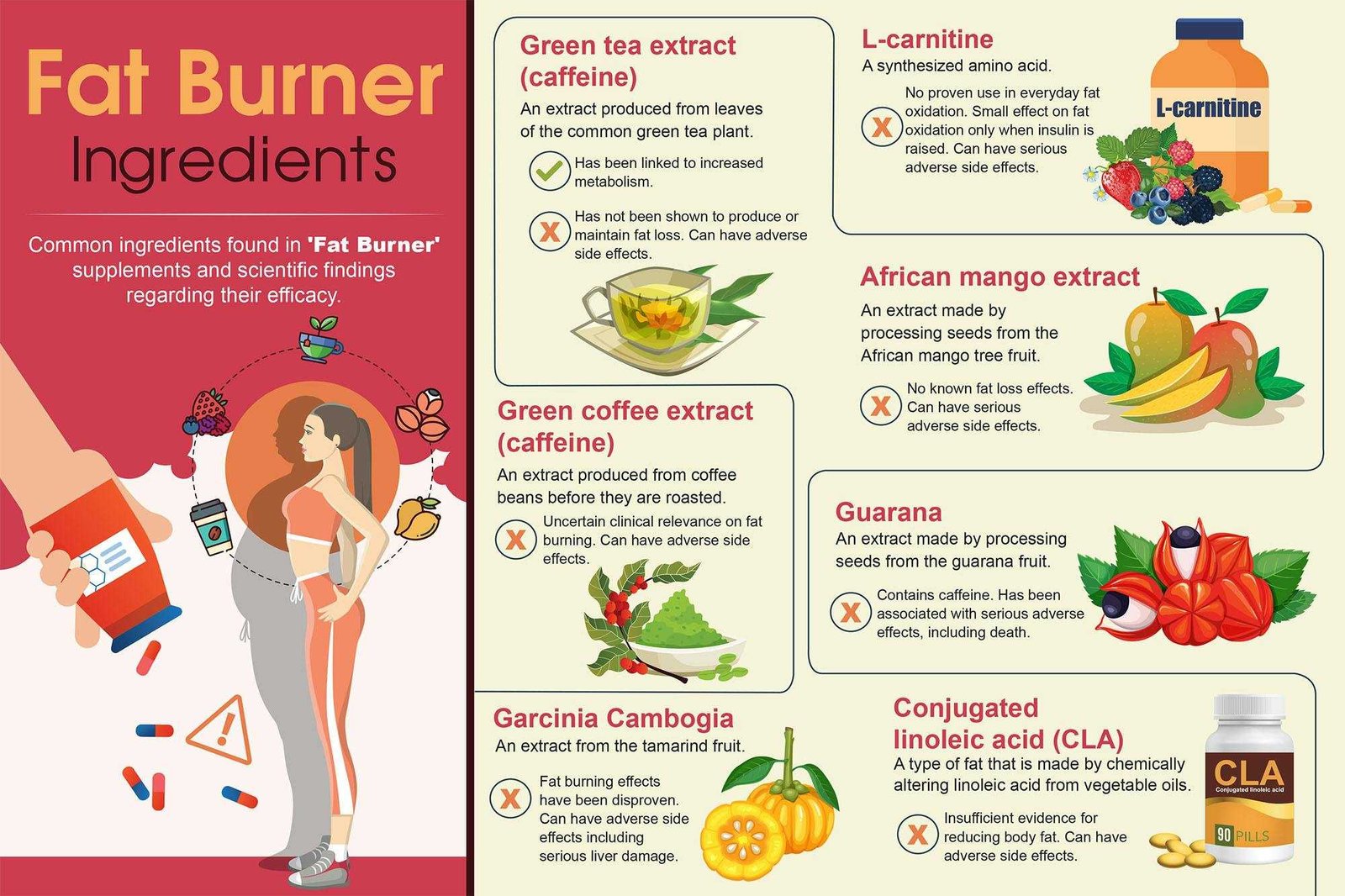
Fat burners can be risky for your heart, especially if used improperly or excessively. While some ingredients may boost metabolism, they can also cause unwanted side effects like increased heart rate and high blood pressure. It’s essential to understand the potential dangers before incorporating these supplements into your routine.
In short, fat burners might pose risks to your heart health, particularly if you have underlying conditions or consume them irresponsibly. Consulting with a healthcare professional is crucial to determine whether they are safe for you. Being cautious and informed can help you avoid potential complications and make healthier weight loss choices.
Many people turn to fat burners hoping for quick results, but the impact on heart health can be significant. These supplements often contain stimulants that increase adrenaline and stress on your cardiovascular system. If you’re considering using fat burners, it’s vital to weigh the benefits against the risks, especially if you have existing heart issues or are sensitive to stimulants. Ensuring a balanced diet and consistent exercise remains the safest approach for long-term health and weight management.

Are Fat Burners Bad for Your Heart?
Fat burners are popular among people trying to lose weight quickly. They promise to boost metabolism and burn fat more efficiently. But many wonder if these supplements could harm their heart health in the process.
What Are Fat Burners?
Fat burners are dietary supplements designed to increase fat loss. They often contain a combination of ingredients like caffeine, green tea extract, and other natural or synthetic substances. These components aim to boost energy, suppress appetite, and accelerate calorie burning.
How Do Fat Burners Work?
Most fat burners work by stimulating the central nervous system. This leads to increased heart rate and higher metabolic activity, which helps burn calories faster. Some ingredients also reduce appetite, making it easier to consume fewer calories.
Are Fat Burners Safe?
While some fat burners are considered safe when used properly, others pose risks. The safety largely depends on the ingredients used and individual health factors. It is important to understand how these supplements affect the heart before starting any regimen.
Potential Risks of Fat Burners for Heart Health
Many fat burners contain stimulants like caffeine that can impact heart health negatively. Excessive stimulant intake may lead to increased blood pressure and irregular heartbeat. These effects are particularly concerning for people with pre-existing heart conditions.
Stimulants and Heart Rate
Stimulants increase adrenaline levels, which can cause the heart to beat faster. For some, this might not be a problem, but in others, especially those with hypertension or arrhythmia, it can be dangerous. Elevated heart rate over time strains the cardiovascular system.
Blood Pressure Concerns
Some ingredients in fat burners elevate blood pressure levels temporarily. Consistent high blood pressure damages arteries and increases the risk of heart attack and stroke. People with high blood pressure should be cautious and consult their doctor.
Risk of Heart Rhythm Problems
Certain stimulants can cause irregular heartbeats. This condition, known as arrhythmia, can be life-threatening if left untreated. It is crucial to monitor heart rhythm when using fat-burning supplements.
Ingredients That May Harm Your Heart
Understanding the specific ingredients in fat burners can help evaluate their safety.
Caffeine
Caffeine is the most common ingredient found in many fat burners. While moderate caffeine intake is generally safe, high doses can cause increased heart rate, elevated blood pressure, and jitteriness.
Synephrine
Often found in bitter orange extract, synephrine is similar to ephedrine. It can significantly increase heart rate and blood pressure, raising safety concerns, especially for people with cardiovascular issues.
Yohimbine
Yohimbine can stimulate adrenaline production, potentially leading to rapid heartbeat and high blood pressure. It is linked to cardiovascular side effects, prompting many experts to recommend caution.
Research and Clinical Studies
Several studies highlight the potential heart risks linked to fat burner ingredients. For example, a 2012 study noted increased blood pressure and heart rate in people taking stimulant-based supplements. Other research emphasizes the importance of medical supervision when using these products.
Who Should Avoid Fat Burners?
Certain groups should avoid fat burners altogether. These include individuals with diagnosed heart disease, high blood pressure, arrhythmias, or other cardiovascular problems. Pregnant or breastfeeding women are also advised to steer clear of these supplements.
Safe Alternatives to Fat Burners
For those concerned about heart health, natural weight loss methods are safer. These include a balanced diet, regular physical activity, and adequate hydration. Talk to a healthcare provider before starting any weight loss program, especially if you have pre-existing health issues.
Healthy Lifestyle Choices
A sustainable weight loss plan focuses on nutritious foods and consistent exercise. These habits support cardiovascular health without the risks associated with stimulants. Over time, they help achieve weight management goals safely.
Consulting Medical Professionals
Always seek medical advice before using any fat burners. A doctor can evaluate your cardiovascular risk and recommend appropriate, safe options for weight loss.
Monitoring and Precautions
If you choose to use fat burners, closely monitor your heart health. Keep track of heart rate, blood pressure, and any unusual symptoms. Discontinue use immediately if you experience chest pain, dizziness, or irregular heartbeat.
Summary of Key Takeaways
- Fat burners often contain stimulants that can impact heart health negatively.
- Ingredients like caffeine, synephrine, and yohimbine increase the risk of high blood pressure and irregular heartbeat.
- People with pre-existing cardiovascular conditions should avoid these supplements.
- Natural weight loss methods and medical guidance are safer options for heart health.
While fat burners may offer quick weight loss benefits, their potential risks for your heart are significant. It is essential to consider your overall health and consult healthcare providers before using these supplements. Prioritizing safe and sustainable weight loss methods ensures not just a slimmer body but also a healthy heart.
Top 4 hacks to burn INNER FAT to prevent heart attack | Dr Pal
Frequently Asked Questions
Can fat burners increase the risk of heart problems in some individuals?
Yes, some fat burners contain stimulants like caffeine or ephedra, which can elevate heart rate and blood pressure. For individuals with pre-existing heart conditions or hypertension, these ingredients may increase the risk of adverse cardiovascular events. Always consult a healthcare professional before starting any supplement, especially if you have concerns about heart health.
Are there specific ingredients in fat burners that could harm the heart?
Certain ingredients such as synephrine, yohimbine, or high doses of caffeine can overstimulate the cardiovascular system. These substances can cause increased heart rate, palpitations, and elevated blood pressure. Reading labels carefully and choosing products with safe, regulated ingredients can help minimize these risks.
How do fat burners affect people with existing heart conditions?
Fat burners may worsen symptoms or complicate management of existing heart conditions. The stimulants can lead to irregular heartbeats or increased workload on the heart. People with heart disease or related issues should avoid using these supplements without medical approval and should focus on safer weight management methods.
Are non-stimulant fat burners safer for the heart?
Non-stimulant fat burners typically contain ingredients like fiber, green tea extract, or minerals that do not significantly impact cardiovascular function. While they may be gentler on the heart, their effectiveness varies. Consulting a healthcare provider helps determine which options suit individual health profiles best.
What precautions should I take before using fat burners if I have a family history of heart disease?
If you have a family history of heart disease, you should speak with a healthcare professional before using any fat-burning supplements. They can assess your risk factors and recommend safer weight loss strategies. Additionally, monitoring your heart health regularly during supplementation offers added safety.
Final Thoughts
Fat burners can contain stimulants that may increase heart rate and blood pressure. This raises concerns about potential cardiovascular risks, especially for individuals with pre-existing heart conditions.
While some people tolerate fat burners well, they are not completely risk-free. It is essential to consult a healthcare professional before use and consider natural weight-loss methods.
Are fat burners bad for your heart? They may pose dangers, so prioritize safety and health over quick fixes. Always make informed decisions about your fitness journey.
As an Amazon Associate, We earn from qualifying purchases. When you purchase a product through Amazon links on pulsefitguide.com, we may earn a small commission at no extra cost to you. This helps support the site and keep our content free.
