


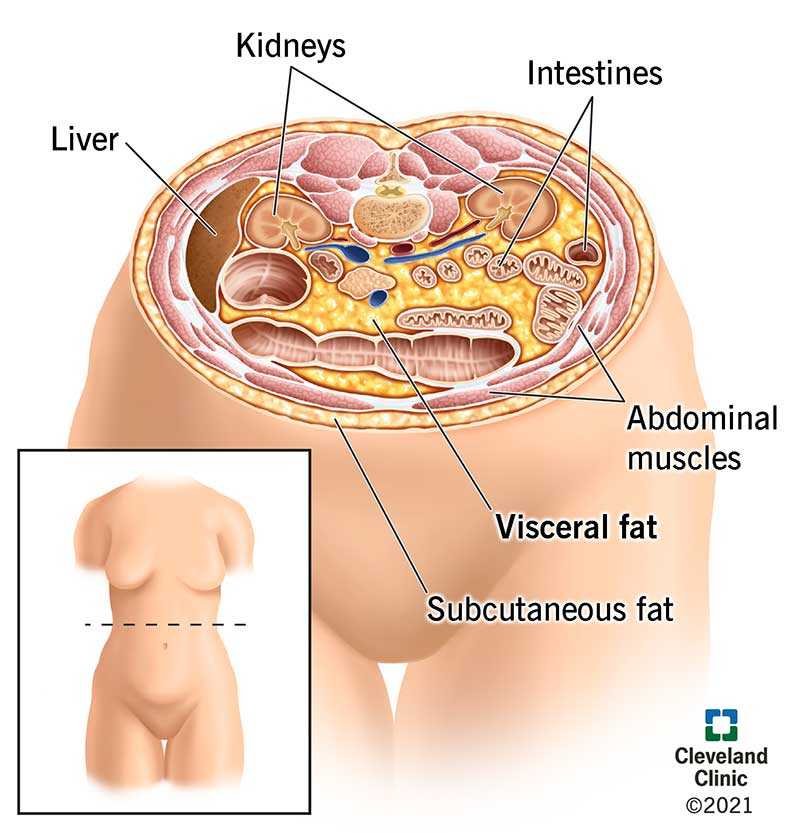
Fat burners can be risky for your liver if misused or taken excessively. While some ingredients may help with weight loss, they can also put a strain on your liver, leading to potential damage. It’s important to approach these supplements with caution and consult a healthcare professional before use.
In brief, not all fat burners are inherently bad for the liver, but some can be harmful depending on their ingredients and dosage. Responsible use and medical advice are key to minimizing risks.
Many people turn to fat burners hoping for quick results in weight loss, but they often overlook potential side effects, especially concerning liver health. These supplements often contain stimulants, herbs, or chemicals that may seem harmless but can cause liver stress or damage over time. Understanding the ingredients and how they interact with your body is crucial. While some fat burners are formulated with safer components, others may pose significant risks. It’s essential to weigh the benefits and drawbacks and prioritize natural, sustainable weight loss methods. Being informed and cautious can help you avoid adverse effects and protect your liver while reaching your fitness goals.

Are Fat Burners Bad for Liver
What Are Fat Burners and How Do They Work?
Fat burners are dietary supplements that claim to help people lose weight by increasing metabolism or decreasing appetite. Many contain natural ingredients like green tea extract or caffeine, while others have synthetic compounds. These products work by boosting energy expenditure, reducing hunger, or blocking fat absorption, aiming to accelerate weight loss efforts.
The Role of the Liver in Metabolism
The liver plays a vital role in processing nutrients, detoxifying harmful substances, and regulating fat metabolism. It breaks down fats and sugars, producing energy or storing reserves. When fat burners are introduced, they can influence liver functions either positively or negatively, depending on their ingredients and usage.
Are Fat Burners Harmful to the Liver? An Overview
Some fat burners can pose risks to liver health, especially when misused or taken in high doses. There have been reports of liver damage linked to certain ingredients found in these supplements. It is essential to understand which components may threaten liver safety and how to recognize symptoms of liver trouble.
Common Ingredients in Fat Burners That May Affect the Liver
Many popular fat burners contain ingredients that can impact liver health. Here are some notable ones:
- Green Tea Extract: Generally safe in moderate amounts; however, high doses may cause liver issues in sensitive individuals.
- Caffeine: Stimulates metabolism but excessive intake can lead to liver stress and dehydration.
- Synephrine: Often derived from bitter orange; linked to increased blood pressure and potential liver strain.
- DMAA (1,3-dimethylamylamine): A synthetic stimulant associated with liver toxicity and other serious side effects.
- Yohimbine: Can cause liver problems if used excessively or by sensitive users.
How Do These Ingredients Affect Liver Function?
Certain ingredients in fat burners can overload the liver’s capacity to process toxins, leading to inflammation or damage. For example, high doses of caffeine or synephrine can cause oxidative stress, harming liver cells. Similarly, synthetic stimulants like DMAA have been linked to liver failure in extreme cases.
Signs and Symptoms of Liver Problems from Fat Burners
It’s important to recognize early warning signs indicating liver distress. Look for symptoms such as:
- Unexplained fatigue or weakness
- Jaundice (yellowing of skin or eyes)
- Dark urine or pale stool
- Persistent nausea or vomiting
- Abdominal pain or swelling
Any of these symptoms should prompt immediate medical attention, especially if linked to supplement use.
Understanding the Risks Based on Dosage and Duration
The potential for liver damage increases with higher doses and prolonged use of fat burners. Short-term, moderate use may be relatively safe for healthy individuals. However, exceeding recommended doses or taking them for extended periods raises the risk of adverse effects.
Who Is Most at Risk of Liver Damage from Fat Burners?
Certain groups are more vulnerable to liver complications, including:
- People with existing liver conditions like hepatitis or fatty liver disease
- Individuals with a history of alcohol abuse
- Those taking multiple medications or supplements simultaneously
- Users with genetic predispositions to liver issues
- People who misuse or abuse fat burners by taking higher-than-recommended doses
Safe Use of Fat Burners and Protecting Liver Health
To minimize risks, users should:
- Consult a healthcare provider before starting any supplement regimen
- Follow the manufacturer’s dosage instructions carefully
- Avoid combining multiple fat burners or other stimulants
- Limit use to short periods and monitor for side effects
- Maintain regular medical checkups, including liver function tests if necessary
Alternative and Natural Ways to Support Fat Loss Without Risking Liver Health
Suppose you’re concerned about liver safety. In that case, focus on lifestyle choices such as balanced eating, regular physical activity, adequate hydration, and sufficient sleep. Natural methods, like drinking green tea or consuming other metabolism-boosting foods, tend to be safer for your liver.
While some fat burners may offer quick weight loss results, they can pose significant risks to liver health, especially when misused. It is crucial to understand the ingredients involved and their potential side effects. Protect your liver by choosing safe options, consulting healthcare professionals, and prioritizing natural lifestyle changes over risky supplements. Informed decisions help ensure weight loss efforts do not come at the cost of your long-term health.
FATTY LIVER: How to Fix It In Weeks (Better than Any Pill) ‼️Harvard Liver Specialist Explains
Frequently Asked Questions
What are the potential risks of fat burners on liver health?
Some fat burners contain ingredients that can stress the liver or cause liver damage, especially if used improperly or in excess. Certain stimulants or herbal extracts may increase liver enzyme levels or lead to inflammation, which can compromise liver function. Always check the ingredients and consult a healthcare professional before starting any supplement regimen.
Can long-term use of fat burners harm the liver?
Prolonged use of fat burners, particularly those with high doses of stimulants or unknown herbal components, may pose risks to liver health. Over time, this can lead to liver strain or damage, especially in individuals with pre-existing liver conditions. Regular medical check-ups can help monitor liver function during extended use.
Are there specific ingredients in fat burners that are known to be harmful to the liver?
Some ingredients, like high doses of caffeine, synephrine, or certain herbal extracts, have been linked to liver issues when used excessively. In some cases, these substances can cause liver toxicity or increase the risk of liver inflammation. Choosing products with transparent ingredient lists and avoiding overly aggressive formulas can reduce these risks.
How can I use fat burners safely without risking liver damage?
Use fat burners as directed and avoid exceeding recommended doses. Prioritize products with safe, well-studied ingredients and consult a healthcare provider before starting. Incorporate regular liver function tests if you plan to use fat burners over an extended period, and discontinue use if you notice any symptoms of liver distress.
Should I be concerned about alcohol consumption while taking fat burners?
Yes, combining alcohol with fat burners can increase the strain on your liver and heighten the risk of liver damage. Alcohol can interfere with the liver’s ability to process certain ingredients in fat burners, so it is best to limit or avoid alcohol while using these supplements.
Final Thoughts
In summary, fat burners’ impact on liver health varies depending on ingredients and usage. Some formulations contain substances that may strain the liver, especially when taken excessively or irresponsibly.
It is essential to evaluate product labels and consult healthcare professionals before starting any supplement.
Are fat burners bad for liver? They can be, particularly if used improperly or with harmful ingredients. Always prioritize your health and seek guidance to avoid unnecessary risks.
As an Amazon Associate, We earn from qualifying purchases. When you purchase a product through Amazon links on pulsefitguide.com, we may earn a small commission at no extra cost to you. This helps support the site and keep our content free.
