


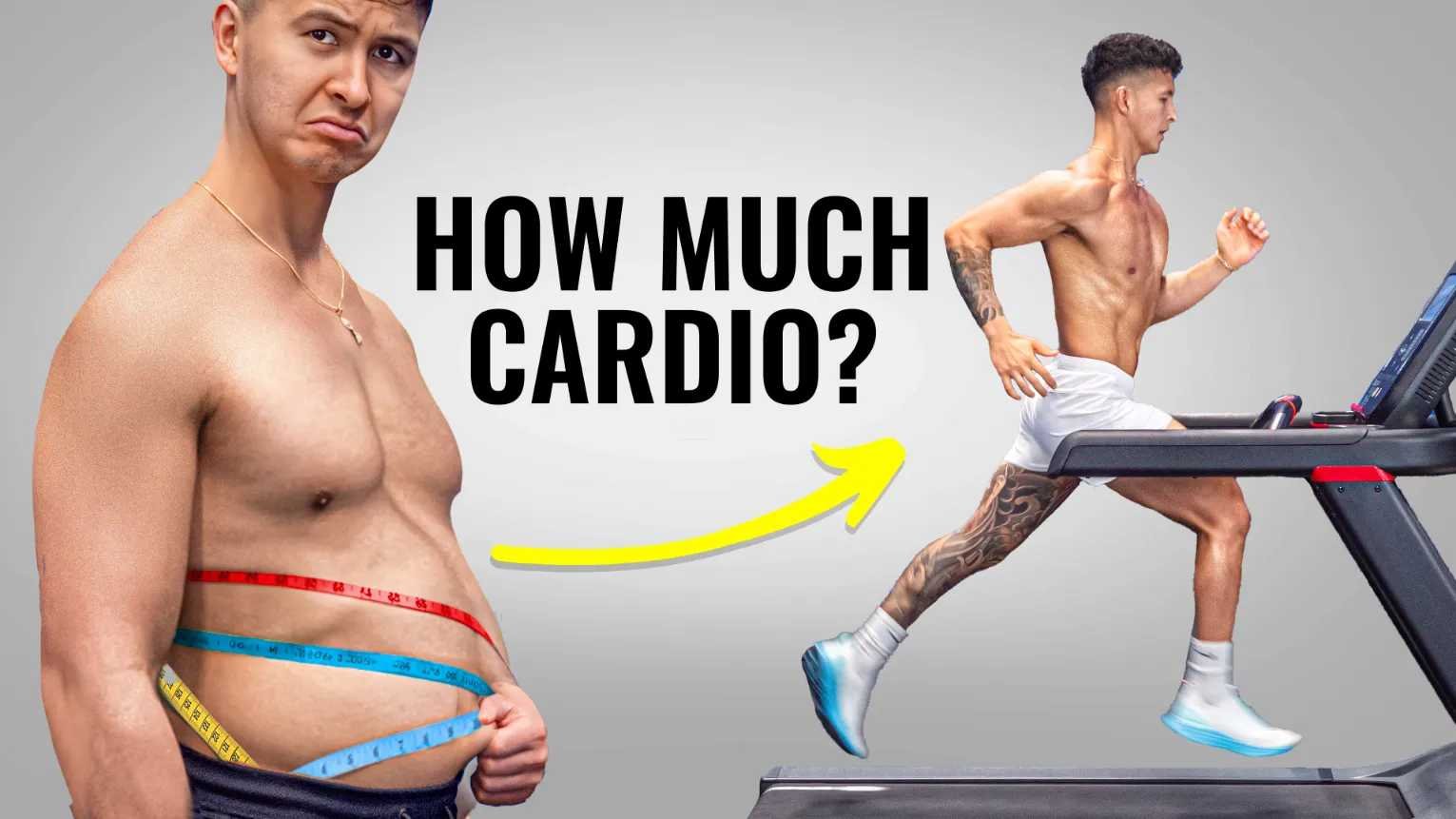
Yes, cardio is an effective way to lose weight when combined with a healthy diet and consistent exercise routine. It helps burn calories quickly and boosts your metabolism, making it a popular choice for weight loss. However, it’s most effective when integrated into a balanced fitness plan tailored to your goals.
Cardio, or aerobic exercise, is indeed a great method for shedding pounds. It increases your heart rate, burns calories, and improves cardiovascular health. Whether it’s running, cycling, swimming, or brisk walking, cardio can help create the calorie deficit necessary for weight loss. But for optimal results, pairing cardio with strength training and proper nutrition is recommended to ensure you’re losing fat, not just water weight or muscle mass. Ultimately, the best approach depends on your personal preferences and lifestyle, making cardio a flexible and accessible option for many people looking to drop those extra pounds.

Is Cardio a Good Way to Lose Weight?
Understanding Cardio and Its Role in Weight Loss
Cardio, short for cardiovascular exercise, involves activities that raise your heart rate. Examples include running, walking, cycling, swimming, and dancing. These exercises help your body burn calories, which is key to losing weight.
When you do cardio, your body uses stored fat and carbohydrates for energy. The more intense the workout, the more calories you burn. Regular cardio can help create a calorie deficit, which is essential for weight loss.
How Cardio Affects Calorie Burn
Calorie burn depends on factors like your body weight, exercise intensity, and workout duration. For example, a person weighing 150 pounds burns approximately 300 calories during 30 minutes of brisk walking.
High-intensity workouts such as running or cycling can burn more calories in a shorter amount of time. It’s important to find a balance that you can maintain consistently for the best results.
Types of Cardio Exercises for Effective Weight Loss
There are many types of cardio workouts suitable for weight loss goals. Some popular options include:
- Running or Jogging: Great for burning calories quickly and improving stamina.
- Walking: Easier on joints and accessible for most people.
- Cycling: Good for leg strength and cardiovascular health.
- Swimming: Low-impact and excellent for full-body conditioning.
- Dancing: Fun and effective for calorie expenditure.
Choosing activities you enjoy increases the likelihood of sticking with your routine.
The Importance of Workout Intensity and Duration
Workout intensity refers to how hard you are working during exercise. Higher intensity burns more calories but can be harder to sustain.
Duration also matters; longer sessions can lead to more total calories burned. A balanced approach involves both moderate and high-intensity sessions spread throughout the week.
Understanding the Target Heart Rate Zone
Your ideal cardio workout target heart rate is between 50% and 85% of your maximum heart rate. Staying within this zone optimizes fat burning and improves cardiovascular health.
To estimate your maximum heart rate, subtract your age from 220. For example, a 30-year-old’s maximum is approximately 190 beats per minute.
Cardio and Fat Loss: What the Research Says
Numerous studies show that regular cardio exercise is effective for reducing body fat. Participants who combine cardio with a healthy diet see the best results.
One study found that moderate-intensity cardio performed for 150 minutes weekly can lead to significant weight loss and improved metabolic health.
Balancing Cardio with Other Exercise Types
While cardio is effective, combining it with strength training can enhance weight loss. Strength exercises help build muscle, which increases resting metabolic rate.
Adding flexibility and balance workouts like yoga can prevent injuries and improve overall fitness.
Why Strength Training Matters
Muscle tissue burns more calories at rest than fat tissue. Therefore, engaging in strength exercises two to three times weekly supports fat loss and enhances definition.
Even simple bodyweight exercises like push-ups, squats, and planks can complement cardio routines effectively.
Common Mistakes in Cardio for Weight Loss
Some individuals overdo cardio, leading to burnout or injury. Others rely solely on cardio without adjusting diet or incorporating strength training.
Skipping warm-up and cool-down phases can cause muscle strain. Starting slow and gradually increasing intensity helps prevent setbacks.
Creating an Effective Cardio Routine for Weight Loss
Designing a sustainable routine involves selecting activities you enjoy and setting clear goals. A typical structure may include:
- Three to five sessions per week
- 30 to 60 minutes per session
- Mix of moderate and high-intensity workouts
Tracking progress keeps motivation high and helps you stay accountable.
Nutrition and Hydration Tips for Cardio Success
Proper fueling enhances workout performance. Eating a balanced meal with carbs and protein before exercise provides energy.
Staying hydrated is crucial, especially during longer or intense sessions. Drinking water helps maintain stamina and supports recovery afterward.
Monitoring Progress and Adjusting Your Routine
Use a fitness tracker or app to monitor your heart rate and calorie burn. Regularly reviewing your progress helps identify when to increase intensity or duration.
Adjust your routine based on results and how your body feels. Consistency is key to long-term weight loss success.
Additional Factors That Influence Weight Loss
Besides cardio, factors like sleep quality, stress levels, and overall diet play major roles. Adequate sleep supports recovery and hormonal balance.
Managing stress reduces cortisol levels, which can influence fat storage. Focusing on a nutritious diet complements your exercise efforts perfectly.
Summary Table: Cardio Exercise Tips for Weight Loss
| Tip | Details |
|---|---|
| Choose enjoyable activities | Find workouts you love to stay motivated |
| Maintain consistency | Exercise regularly, at least 3 times a week |
| Mix intensity levels | Alternate between moderate and high-intensity sessions |
| Incorporate strength training | Build muscle to boost metabolism |
| Focus on nutrition | Eat balanced meals to support your workouts |
| Stay hydrated | Drink plenty of water before, during, and after exercise |
Incorporating cardio into your routine proves to be an effective way to burn calories and shed excess fat. Combining it with strength training, proper nutrition, and consistent effort maximizes your results. Remember, patience and persistence are key to achieving your weight loss goals.
Frequently Asked Questions
How effective is cardio compared to other exercise forms for weight loss?
Cardio exercises, such as running, cycling, and swimming, burn a significant number of calories in a short period. This calorie expenditure makes cardio highly effective for weight loss, especially when combined with a healthy diet. While strength training builds muscle and boosts metabolism, incorporating cardio increases overall calorie burn, leading to more noticeable weight loss results.
Can doing cardio alone help me reach my weight loss goals?
While cardio can play a vital role in burning calories and aiding weight loss, relying solely on cardio might not provide the most sustainable results. Combining cardio with strength training and proper nutrition helps preserve muscle mass, improve overall fitness, and accelerate weight loss. A well-rounded approach offers better long-term success and health benefits.
What types of cardio exercises are best for burning fat?
Activities that raise your heart rate steadily, such as brisk walking, jogging, cycling, and aerobic classes, are excellent choices for burning fat. High-Intensity Interval Training (HIIT) also proves effective by alternating intense effort with recovery periods, boosting calorie burn after exercise ends. Selecting activities you enjoy increases consistency and helps maintain your weight loss efforts.
How often should I incorporate cardio into my workout routine for weight loss?
For effective weight loss, aim for at least 150 minutes of moderate-intensity cardio or 75 minutes of vigorous-intensity cardio each week. Spreading these sessions throughout the week, such as 30 minutes five times a week, keeps your metabolism active and supports continual calorie burning. Adjust the frequency based on your fitness level and goals.
Are there any risks associated with doing too much cardio while trying to lose weight?
Excessive cardio can lead to overtraining, fatigue, and an increased risk of injuries. It may also cause muscle loss if not paired with strength training and proper nutrition. To avoid these issues, incorporate rest days, vary your workouts, and listen to your body’s signals. Balancing cardio with other exercise forms ensures safe and effective weight loss.
Final Thoughts
Cardio exercises can effectively support weight loss when combined with a balanced diet. They burn calories and improve cardiovascular health, making them a popular choice.
However, relying solely on cardio may not maximize results; incorporating strength training enhances muscle tone and boosts metabolism.
In summary, is cardio a good way to lose weight? Yes, it is, especially when integrated into a comprehensive fitness plan.
As an Amazon Associate, We earn from qualifying purchases. When you purchase a product through Amazon links on pulsefitguide.com, we may earn a small commission at no extra cost to you. This helps support the site and keep our content free.
