


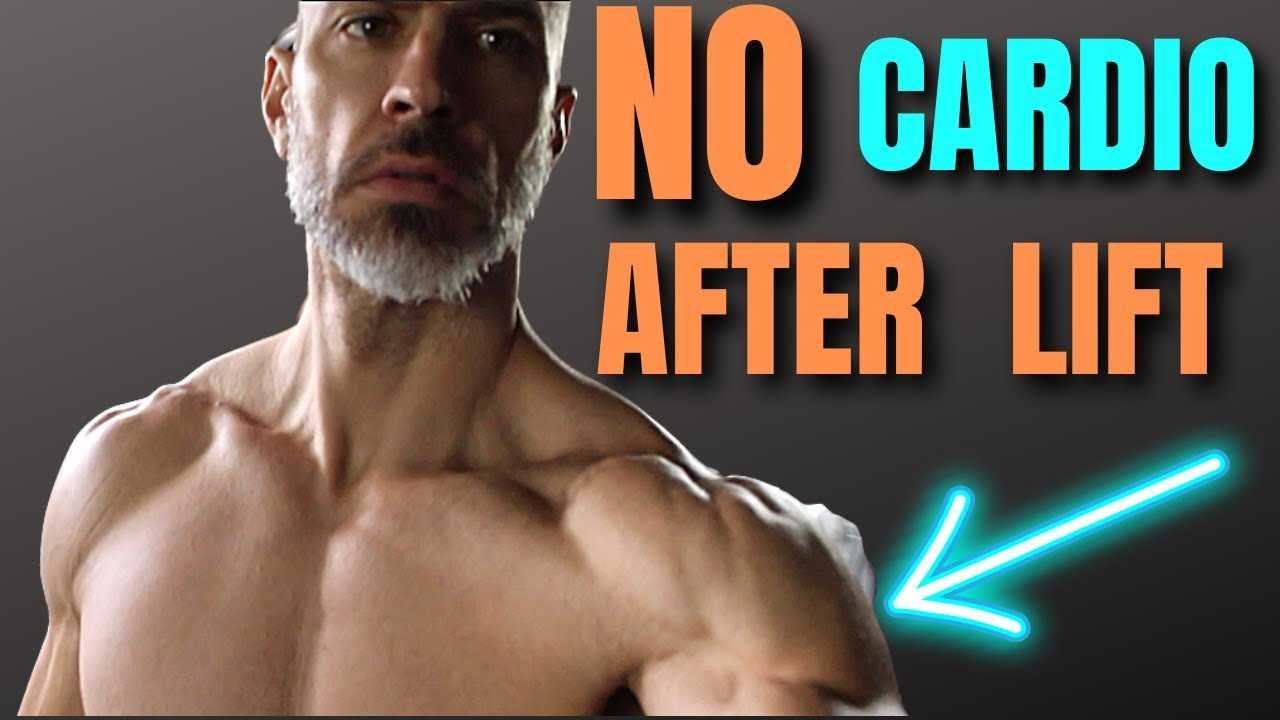
No, doing cardio after lifting isn’t necessarily bad; in fact, it can be beneficial depending on your fitness goals. The key is to understand your body and your specific workout objectives. Cardio after lifting can help with fat burning and improve cardiovascular health, but it might leave you a little more fatigued if your goal is maximum strength or muscle gain.
In brief, cardio following weightlifting isn’t inherently harmful and can be part of a balanced workout routine. However, it’s important to tailor your approach based on whether you’re aiming for muscle growth, endurance, or overall fitness. Knowing how to time and structure your workouts can help you get the best results without risking overtraining or injury.
Starting a workout routine with a mix of strength training and cardio can lead to great overall fitness, but many wonder if doing cardio right after lifting is a mistake. The common concern is that cardio might interfere with muscle recovery or that it could diminish strength gained from lifting. The good news is that, when done thoughtfully, cardio after lifting can enhance your fitness and help with fat loss without compromising your gains. The trick is knowing how to balance both to suit your personal goals. Whether you’re a bodybuilder, athlete, or someone just looking to stay healthy, understanding the timing and intensity of cardio can make all the difference in your fitness journey.

Is cardio after lifting bad? Exploring the truth about combining cardio and strength training
Understanding the Basics of Cardio and Lifting
Cardio exercises, like running, cycling, or swimming, boost your heart rate and improve your cardiovascular health. Lifting weights, on the other hand, focuses on building muscle strength and size. Both are important for overall fitness but serve different purposes.
Why People Wonder About Doing Cardio After Lifting
Many athletes and gym-goers ask if doing cardio right after lifting is a bad idea. The concern is whether it affects muscle growth, recovery, or energy levels. It’s a common question because combining both workouts is often necessary for a well-rounded fitness routine.
Impact of Cardio After Lifting on Muscle Gains
Some believe cardio after lifting might interfere with muscle building, especially if done excessively. This is because cardio can deplete glycogen stores and cause muscle fatigue. However, light to moderate cardio may not harm your gains if you plan well.
Research on Muscle Growth and Cardio
Studies show that doing moderate cardio after lifting does not significantly reduce muscle growth for most people. If your goal is maximum hypertrophy, it’s better to keep cardio sessions shorter and less intense.
Balancing Cardio and Lifting for Muscle Development
To optimize muscle gains:
- Limit cardio duration to 20-30 minutes
- Keep intensity moderate
- Allow adequate rest between sessions
This way, you can enjoy the benefits of both without hindering your progress.
Cardio After Lifting and Fat Loss
Many people do cardio after weights to burn more fat. Performing cardio post-lift may be effective because glycogen stores are lower, encouraging the body to use fat for energy. This method can support fat loss without compromising muscle growth if managed properly.
Advantages of Cardio After Lifting for Fat Loss
Some benefits include:
- Enhances total calorie burn
- Helps in improving cardiovascular fitness
- May increase fat oxidation when glycogen is depleted
Optimal Cardio Strategies for Fat Burning
To maximize fat loss:
- Perform low to moderate-intensity cardio
- Limit sessions to 20-30 minutes
- Schedule cardio on separate days or after lighter lifting sessions
The Role of Timing: When Should You Do Cardio?
Timing plays a crucial role in how cardio affects your workout goals. Doing cardio before lifting can warm you up but might tire your muscles. Post-lift cardio is often preferred for fat loss and minimal impact on strength.
Cardio Before Lifting
Doing intense cardio before lifting can:
- Reduce strength and power during weight training
- Deplete energy stores necessary for lifting
- Increase fatigue, possibly lowering workout quality
If you choose to do cardio first, keep it light and short.
Cardio After Lifting
Post-workout cardio helps:
- Burn additional calories
- Feel more energized after weights
- Support fat loss without compromising muscle gains
This approach balances effort and recovery.
Effects on Recovery and Energy Levels
Doing cardio immediately after lifting can influence how quickly your muscles recover. Excessive cardio may prolong soreness and decrease muscle repair efficiency. Light cardio can help increase blood flow, which promotes recovery.
Recommended Recovery Tips
To stay on track:
- Stay hydrated
- Eat a balanced post-workout meal with protein and carbs
- Incorporate stretching or foam rolling
These steps support muscle repair and overall recovery.
How to Incorporate Cardio Safely After Lifting
If you decide to do cardio after lifting, follow these practical tips:
- Keep the intensity moderate to avoid excessive fatigue
- Limit duration to prevent overtraining
- Listen to your body and avoid pushing through fatigue
- Adjust your workout schedule to include rest days
Common Mistakes to Avoid When Doing Cardio After Lifting
Many people make mistakes that can hinder progress or increase injury risk. Important ones include:
- Skipping warm-up or cool-down sessions
- Overdoing high-intensity cardio after lifting
- Neglecting proper nutrition post-workout
- Ignoring signs of overtraining or excessive fatigue
Related Topics to Consider
Additional factors influence how cardio and lifting interact:
Nutrition and Hydration
Proper fueling helps sustain energy and supports recovery. Focus on a diet rich in lean proteins, complex carbs, and healthy fats.
Workout Frequency and Rest Days
Spacing out cardio and lifting sessions allows muscles to recover and prevents burnout. Rest days are essential for long-term progress.
Personal Goals and Customization
Tailor your workout plan based on your goals—whether building muscle, losing fat, or improving endurance. Adjust intensity, duration, and timing accordingly.
Monitoring Progress and Adjustments
Track your performance and recovery. If progress stalls or fatigue increases, consider modifying your routine.
Doing cardio after lifting isn’t inherently bad; it depends on your goals, workout intensity, and overall plan. Moderate cardio post-lift can enhance fat burning without harming muscle growth, especially when managed carefully. Balancing both activities with proper nutrition, rest, and listening to your body will help you get the best results from your fitness journey.
Frequently Asked Questions
Does doing cardio after lifting affect muscle growth?
Performing cardio after lifting can impact muscle growth if done excessively or at high intensities. Cardiovascular exercise burns calories, which might slightly hinder muscle gains if it creates a significant calorie deficit. However, incorporating moderate cardio post-strength training typically doesn’t prevent muscle recovery or growth when combined with proper nutrition and adequate rest. Focus on balancing cardio intensity and duration to support both endurance and muscle development.
Is it better to do cardio before or after strength training?
Choosing whether to do cardio before or after lifting depends on your fitness goals. If your primary aim is to improve cardiovascular endurance, doing cardio first can be beneficial. However, if building strength or muscle mass is your priority, performing cardio after lifting preserves your energy for resistance training. Doing cardio post-lifting allows you to maintain higher intensity during your weight workout and use cardio as a cooldown.
Can cardio after lifting cause fatigue that hampers performance?
Yes, doing cardio immediately after lifting can lead to fatigue, which may reduce the quality of your cardio workout. When muscles are already tired from lifting, your endurance and performance during cardio sessions might decline, increasing the risk of poor form or injury. To minimize fatigue effects, consider adjusting your workout intensity or spacing out cardio and lifting sessions when possible.
Should I adjust my nutrition if I do cardio after lifting?
Absolutely. When you include cardio after lifting, your body uses stored glycogen and fats for energy. Ensuring you consume enough carbohydrates before and after workouts helps replenish glycogen stores and supports recovery. Additionally, maintaining adequate protein intake aids muscle repair, especially when combining cardio and strength training in the same session.
How does doing cardio after lifting affect recovery time?
Performing cardio after lifting can slightly extend your recovery period due to increased overall training volume and fatigue. To promote quicker recovery, focus on post-workout nutrition, stay hydrated, and incorporate rest days into your routine. Listening to your body and avoiding overtraining will help maintain progress without risking burnout.
Final Thoughts
Doing cardio after lifting is not inherently bad; it depends on your fitness goals. Some prefer to do cardio first to warm up, while others finish with it to burn extra calories.
If your aim is build strength, focusing on lifting first makes sense. Cardio after lifting can lead to fatigue, impacting your performance.
In conclusion, is cardio after lifting bad? Not necessarily. It depends on your priorities, but for most, it’s a safe and effective way to enhance overall fitness.
As an Amazon Associate, We earn from qualifying purchases. When you purchase a product through Amazon links on pulsefitguide.com, we may earn a small commission at no extra cost to you. This helps support the site and keep our content free.
