


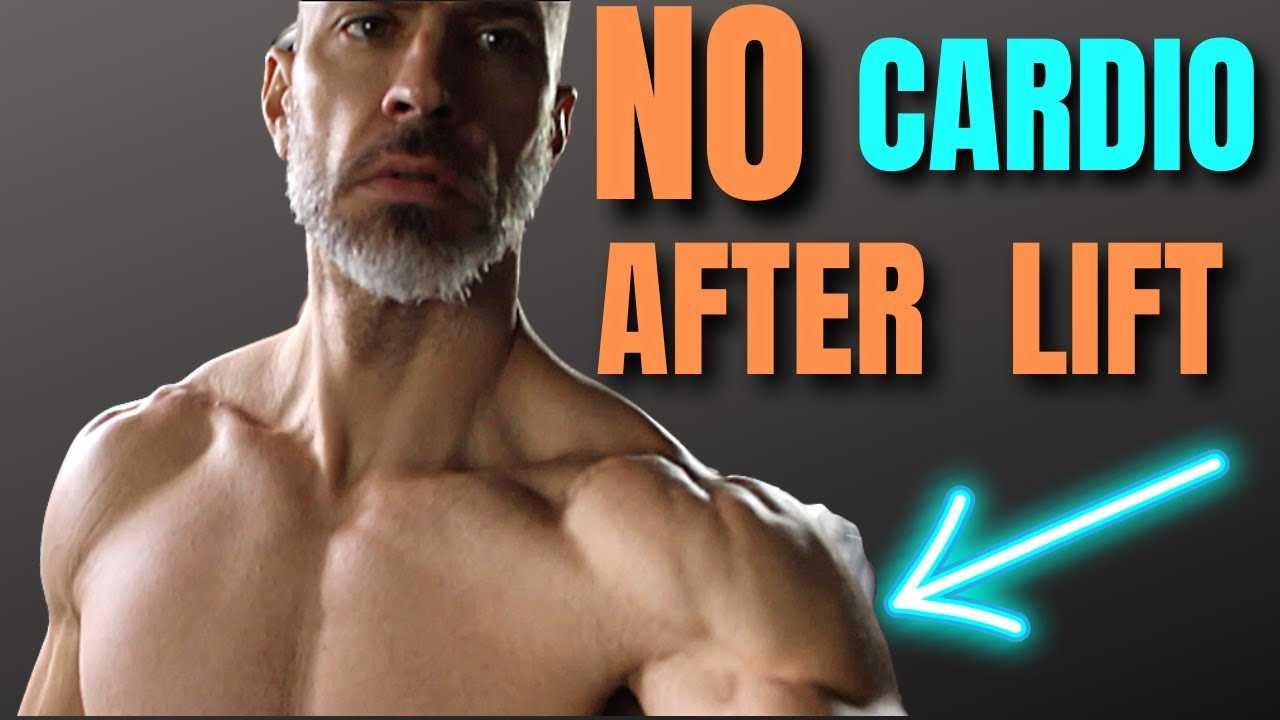
Doing cardio after weights isn’t necessarily bad—in fact, it can be beneficial, depending on your fitness goals. The key is understanding how to balance both and what you want to achieve from your workout. Cardio after lifting can enhance endurance and aid recovery, but it might also impact strength gains if not done thoughtfully. The main thing is to listen to your body and plan your routines accordingly. Whether it’s okay to do cardio after weights really depends on your personal objectives, be it building muscle, losing weight, or improving overall fitness. With proper timing and intensity, cardio after weights can be a powerful addition to your workout regimen without compromising your progress. Keep reading to learn more about how to incorporate both effectively.

Is Cardio After Weights Bad? Exploring the Truth About Post-Workout Cardio
Understanding the Purpose of Strength Training and Cardio
Many people ask if doing cardio after weights is a bad idea. To answer this, it’s important to understand what each workout type does. Strength training builds muscle and improves strength. Cardio boosts endurance and helps burn calories. Both are good for health, but their order can matter depending on your goals.
How Does Cardio After Weights Affect Muscle Building?
Performing cardio after lifting weights can influence muscle growth. If your main goal is to gain muscle size, doing cardio afterward might slightly interfere. This is because cardio can drain energy and cause muscle fatigue, making it harder to lift heavy and recover fast. However, for general fitness, this isn’t a big problem.
Effects on Muscle Fatigue and Recovery
When you finish weights with cardio, your muscles are already tired. This might reduce your ability to lift as heavy or do as many reps. Additionally, cardio performed immediately after weights can increase muscle soreness. Proper recovery routines can help minimize these issues.
Impact on Muscle Growth and Strength Gains
Studies show that doing intense cardio after weights could slightly decrease muscle hypertrophy, especially if done excessively. To avoid hampering muscle gains, consider keeping cardio sessions moderate or separate from weight training days.
How Cardio After Weights Impacts Fat Loss
Many people do weights first to build muscle, then cardio to burn fat. Performing cardio after weights can be advantageous for fat loss. Since glycogen stores are partially depleted after strength training, your body may turn more quickly to fat for energy during cardio.
Enhanced Fat Burning
Post-weight cardio encourages your body to burn stored fat because muscle glycogen is already lowered. This process can lead to improved fat loss results over time. But remember, total calorie burn is what counts most for losing weight.
Maintaining Energy Levels for Cardio
If you are fatigued after weights, your cardio workout might be less effective. To optimize fat burning, keep cardio sessions at a moderate intensity, and avoid overtraining during weight workouts.
Are There Benefits to Doing Cardio After Weights?
Yes, there are some advantages to this workout order. It can improve stamina, increase calorie burn, and help with psychological motivation by completing both workouts in one session.
Increased Overall Calorie Burn
Combining weight training and cardio in one session increases total calorie expenditure. This is beneficial for weight loss or weight maintenance goals.
Cardiovascular Health Improvements
Adding cardio after weights can boost heart health, especially if regular sessions are maintained. It enhances circulation and endurance over time.
Time Efficiency and Convenience
Performing both workouts consecutively saves time. It’s a practical option for busy individuals who prefer fewer gym visits or workouts in one go.
Potential Drawbacks and How to Minimize Them
While there are benefits, some drawbacks exist. For example, fatigue from weights might reduce the quality of your cardio session, or vice versa.
Reduced Exercise Intensity
Fatigue may lead you to perform cardio at a lower intensity than planned. To prevent this, consider adjusting the intensity and duration of your cardio.
Risk of Overtraining and Injury
Doing too much exercise back-to-back can increase overtraining risk. Listen to your body, include rest days, and vary your routines.
Strategies to Balance Both Workouts
Plan workouts carefully by:
- Splitting session types across days
- Maintaining proper nutrition and hydration
- Ensuring adequate sleep for recovery
- Adjusting workout intensity as needed
Should You Do Cardio Before or After Weights?
Deciding whether to do cardio before or after weights depends on your goals.
For Muscle Growth and Strength
It’s better to do weights first when your goal is to maximize strength. This ensures energy is prioritized for lifting, which is crucial for muscle gains.
For Endurance and Fat Loss
If endurance or fat loss is your focus, doing cardio first can deplete glycogen stores, helping your body burn more fat during subsequent work.
For General Fitness
A balanced approach works best. You might alternate between sessions or do shorter cardio before weights and longer sessions afterward.
Sample Workout Plans for Different Goals
Here are some example routines to suit various objectives:
Muscle Building Focus
- Warm-up with light cardio (5-10 minutes)
- Focus on heavy weights with rest intervals
- Perform light cardio after weights (15-20 minutes at moderate intensity)
Fat Loss and Endurance
- Perform cardio first (20-30 minutes)
- Follow with weight training focusing on higher repetitions
Balanced Routine
- Alternate days between cardio and weights
- Or do combined sessions with moderate cardio and moderate weights
Ultimately, doing cardio after weights is not inherently bad. It depends on your personal goals, fitness level, and how you structure your workouts. Incorporating cardio after weights can improve fat burning and cardiovascular health but might slightly impact muscle gains if not managed carefully. The key is to listen to your body and plan workouts that align with your objectives, ensuring a balance between effort and recovery.
Remember, consistency and proper nutrition are vital in achieving your fitness goals, no matter the order of your exercises.
Frequently Asked Questions
Does doing cardio after weights affect muscle growth?
Performing cardio after weight training can potentially impact muscle growth if done excessively or at high intensities. It may lead to fatigue, reducing the body’s ability to recover and build muscle effectively. To minimize this, keep cardio sessions moderate in duration and intensity, and ensure sufficient rest and nutrition to support muscle development.
Is cardio after weights more effective for fat loss?
Cardio after weights can be beneficial for fat loss because weight training depletes glycogen stores, making your body more likely to burn fat during your cardio session. However, the overall effectiveness depends on your total workout routine and diet. Combining strength training with cardio, regardless of order, can help achieve better fat loss results if combined with a proper nutrition plan.
Can doing cardio after weights cause fatigue that hampers performance?
Yes, performing cardio immediately after weights can lead to increased fatigue, which might compromise your performance during your cardio session. This fatigue can also affect your form and increase injury risk. To avoid this, consider alternating workout days or scheduling shorter cardio sessions after strength training to maintain optimal performance.
Are there any benefits to doing cardio before weight training instead?
Doing cardio before weight training can serve as an effective warm-up, increasing blood flow and preparing your muscles for the upcoming workout. However, it may also lead to fatigue, making heavier lifts more difficult. Balancing your routine based on your goals—whether prioritizing strength or endurance—can help determine the best approach for you.
Final Thoughts
In summary, the question of whether cardio after weights is bad depends on your fitness goals. For muscle building, doing cardio first can deplete energy; after weights, it may help with fat loss.
Performing cardio after lifting does not harm progress if managed properly. It allows you to focus on strength without tiring out early.
Ultimately, listening to your body and tailoring your routine ensures optimal results. So, is cardio after weights bad? Not necessarily—it’s about how it fits into your personal fitness plan.
As an Amazon Associate, We earn from qualifying purchases. When you purchase a product through Amazon links on pulsefitguide.com, we may earn a small commission at no extra cost to you. This helps support the site and keep our content free.
