


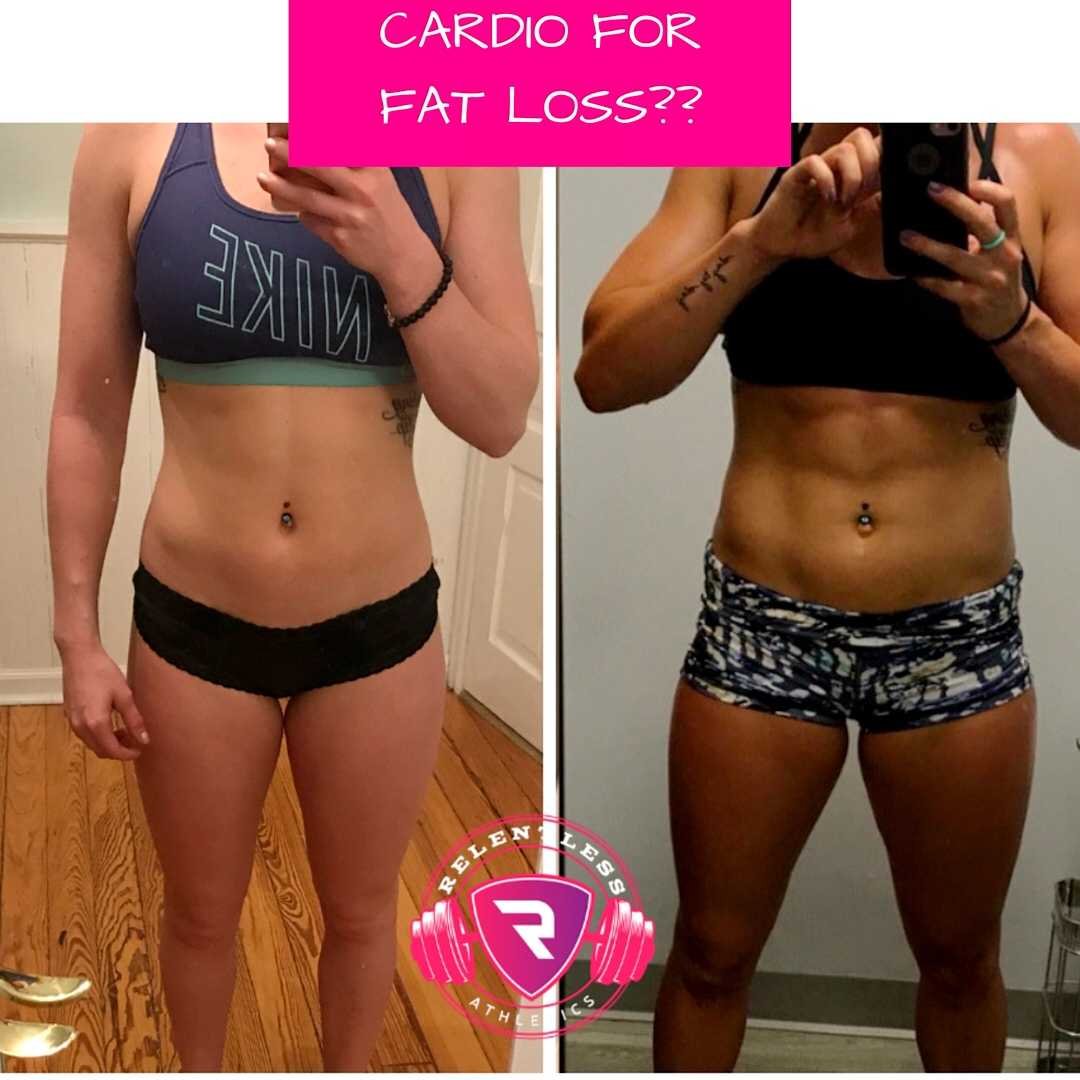
Yes, cardio can be a vital part of a healthy lifestyle, but whether it’s necessary depends on your personal health goals and fitness levels. For most people, incorporating some form of cardiovascular exercise greatly benefits overall health, endurance, and weight management. However, it’s not the only way to stay fit, and alternatives like strength training or flexibility exercises can also be effective. The key is to find a balanced routine that keeps you active and motivated.
Cardio isn’t strictly necessary for everyone, but it offers numerous health benefits and can be an efficient way to improve heart health and burn calories. Ultimately, whether you need to do cardio depends on your individual goals and preferences. If you’re aiming for heart health, weight control, or increased stamina, adding cardio to your routine is highly recommended.

Is Cardio Necessary? Exploring its Role in Fitness and Health
What Is Cardio Exercise?
Cardio exercise, also called aerobic exercise, involves activities that increase your heart rate and help your lungs work more efficiently. Examples include running, cycling, swimming, jumping rope, and brisk walking. These activities make your heart beat faster and help improve overall stamina and endurance.
Why Do People Think Cardio Is Important?
Many believe cardio is essential because it burns calories, helps control weight, and improves heart health. It also boosts mood and energy levels through the release of endorphins. For years, health experts have recommended regular cardio as part of a balanced fitness routine.
The Benefits of Cardio Exercise
- Heart Health: Regular cardio makes your heart stronger by increasing its efficiency. It lowers blood pressure and reduces the risk of heart disease.
- Weight Management: Cardio helps burn calories, which can support weight loss or maintaining a healthy weight.
- Better Lung Capacity: It improves your ability to breathe and increases lung capacity.
- Enhanced Mood and Mental Health: Physical activity releases chemicals called endorphins, which help reduce stress and improve mood.
- Increased Endurance: Over time, cardio workouts make everyday activities easier by building stamina.
How Much Cardio Should You Do?
The Centers for Disease Control and Prevention recommend at least 150 minutes of moderate-intensity cardio per week. This can be broken into sessions of 30 minutes on five days. For more health benefits, aim for 300 minutes weekly or include vigorous activities like running or fast cycling.
Is Cardio Necessary for Weight Loss?
While cardio is effective for burning calories, it is not the only way to lose weight. Combining strength training with a balanced diet can also help shed pounds. In fact, having muscle mass increases resting metabolism, helping burn more calories even when resting.
Can You Get Fit Without Cardio?
Absolutely. Strength training, flexibility exercises, and other physical activities can improve overall health and fitness. Many athletes focus on resistance exercises, yoga, or sports that don’t necessarily involve traditional cardio but still keep the body active and healthy.
The Role of Strength Training and Other Exercises
Strength training builds muscle, which boosts metabolism and promotes fat loss. Flexibility exercises like stretching and yoga improve range of motion and reduce injury risk. These types of exercise complement cardio and help create a balanced fitness plan.
Cardio and Its Impact on Different Age Groups
For children and teenagers, moderate activity supports growth and development. Older adults benefit from cardio by maintaining mobility, heart health, and preventing age-related illnesses. The intensity and duration should be adjusted based on age and fitness level.
Understanding the Risks of Too Much Cardio
Excessive cardio can lead to problems such as overuse injuries, fatigue, and hormonal imbalances. It might also cause muscle loss if not combined with strength training. Balancing cardio with other activities is key to avoiding these issues.
Balancing Cardio With Other Types of Exercise
A well-rounded routine includes cardio, strength training, and flexibility work. This balanced mix prevents boredom, reduces injury risk, and promotes overall fitness. Consider workout plans that incorporate different exercises on different days.
When Is Cardio Most Effective?
Cardio is most effective when done consistently and at the right intensity. Moderate intensity increases your breathing and heart rate but still allows conversation. Incorporating intervals—alternating high and low intensity—can boost calorie burn and improve fitness faster.
Can You Achieve Fitness Goals Without Cardio?
Yes, depending on your goals, you might focus on resistance training, sports, or other physical activities. For example, bodybuilders prioritize strength, while athletes in sports like rowing or cycling get their cardio in different ways.
Related Topics: Combining Cardio with Nutrition and Rest
Good nutrition supports your exercise efforts, providing energy and aiding recovery. Rest days are also vital to allow your muscles to repair and prevent burnout. A comprehensive approach combining activity, diet, and rest yields the best results.
Summary: Is Cardio Necessary? The Bottom Line
While cardio offers many health benefits, it isn’t the only path to fitness. A balanced routine combining cardio, strength, flexibility, good nutrition, and rest can achieve excellent health outcomes. Tailor your activities to your goals, preferences, and physical condition for lasting success.
Frequently Asked Questions
How does cardio benefit overall heart health?
Cardio exercises strengthen the heart muscle, improving its ability to pump blood efficiently throughout the body. Regular cardio can help lower blood pressure, reduce bad cholesterol levels, and decrease the risk of heart disease and stroke by promoting healthy blood vessel function.
Can incorporating cardio improve mental well-being?
Yes, engaging in cardio workouts releases endorphins, which are natural mood boosters. Regular aerobic activity reduces stress, anxiety, and symptoms of depression, leading to better mental clarity and emotional stability over time.
Is cardio effective for weight management?
Cardio helps burn calories and increases your metabolic rate, making it an effective component of weight control strategies. Combined with a balanced diet, consistent cardio can support fat loss and help maintain a healthy weight in the long run.
What roles does cardio play in increasing stamina and endurance?
Performing regular cardio exercises challenges your cardiovascular system, gradually enhancing your stamina and overall endurance. Over time, this allows you to perform daily activities and physical tasks with less fatigue and greater efficiency.
Should cardio be part of a balanced fitness routine?
Absolutely. While strength training and flexibility exercises are important, incorporating cardio ensures comprehensive fitness. It boosts cardiovascular health, aids in recovery, and promotes overall physical and mental wellness.
Final Thoughts
Le cardio est une pratique courante pour améliorer la santé globale. Cependant, il n’est pas toujours indispensable à tous les objectifs de fitness.
Certaines personnes peuvent atteindre leurs buts sans faire de cardio régulier en se concentrant sur la musculation et une alimentation équilibrée.
Donc, is cardio necessary? La réponse dépend de vos objectifs personnels et de votre mode de vie.
As an Amazon Associate, We earn from qualifying purchases. When you purchase a product through Amazon links on pulsefitguide.com, we may earn a small commission at no extra cost to you. This helps support the site and keep our content free.
