


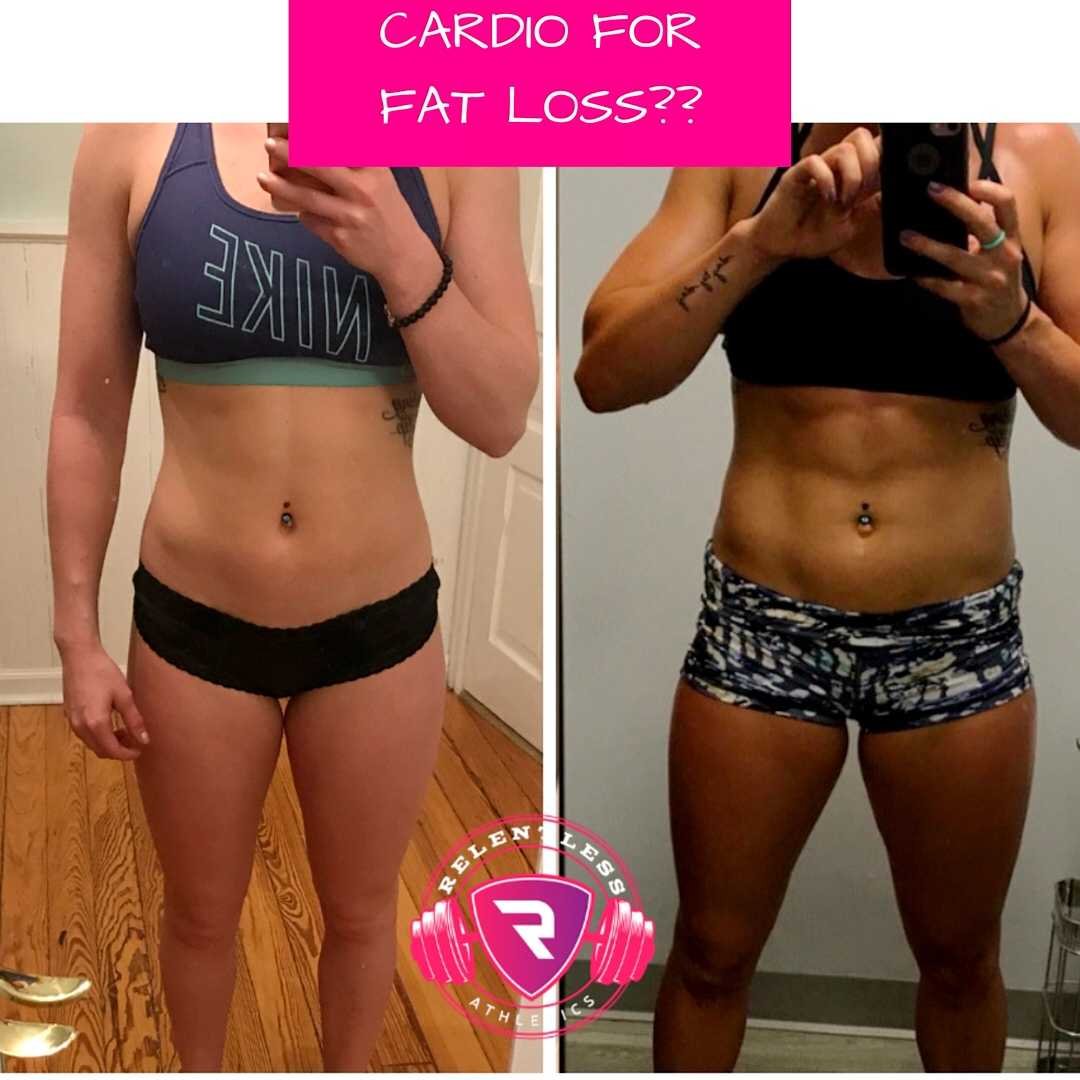
Absolutely, you can lose fat without doing traditional cardio, but combining it with strength training can boost your results. The key is creating a calorie deficit, and cardio is just one way to achieve that. Whether or not cardio is necessary depends on your goals, preferences, and overall workout plan.
Cardio isn’t strictly necessary for fat loss, but it can help accelerate the process and improve cardiovascular health. Ultimately, consistent calorie-controlled eating and a balanced mix of exercise modalities are the most effective ways to shed fat and maintain a healthy body.
Getting rid of stubborn fat often feels like an uphill battle, and many wonder if cardio is the magic solution. The truth is, cardio can certainly support your fat loss journey, but it’s not the only tool at your disposal. Some people prefer strength training, HIIT, or even just staying active throughout the day. The secret lies in finding what works best for you and sticking to it consistently. Remember, the most important factor for fat loss is burning more calories than you consume, regardless of how you do it.

Is cardio necessary for fat loss?
Many people wonder whether doing cardio is a must if they want to lose body fat. Some believe that cardio exercises like running, cycling, or swimming are the fastest way to shed pounds. Others think strength training alone can get rid of fat effectively. Let’s explore this topic in detail to understand what role cardio plays in fat loss and if it is truly essential.
Understanding fat loss and energy expenditure
Fat loss happens when your body burns more calories than it consumes. This creates a calorie deficit that causes your body to use stored fat for energy. Both diet and exercise influence this balance, but exercise type can impact how much fat you burn.
Cardio exercises are known to burn a significant amount of calories during and after the activity. This calorie burn can help create a larger deficit, which may promote faster fat loss.
However, it’s important to recognize that other forms of exercise, like strength training, also contribute to calorie expenditure and, ultimately, fat loss.
Cardio versus strength training: Which is better for fat loss?
Both cardio and strength training can effectively help you lose fat. Cardio burns calories directly during the workout, making it efficient for quick calorie burning.
Strength training, on the other hand, builds muscle mass. More muscle increases your resting metabolic rate, which means you burn more calories even when resting.
Research shows that a combination of both cardio and strength training often yields the best results for fat loss.
- Cardio helps burn calories quickly.
- Strength training builds muscle and boosts metabolism.
- Combining the two can maximize fat loss.
How much cardio is needed for effective fat loss?
Popular fitness guidelines recommend at least 150 minutes of moderate-intensity cardio per week. This equates to about 30 minutes most days.
For more significant fat loss, some individuals increase activity to 300 minutes weekly. This amounts to about 45 minutes or more per day.
It’s essential to match cardio volume with individual fitness levels and goals to avoid burnout or injury.
The role of intensity in cardio workouts
The intensity of your cardio session influences how many calories you burn. Higher-intensity workouts typically burn more calories per minute.
Interval training, which alternates between high and low intensity, can be especially effective for fat loss in a shorter amount of time.
For example, sprinting for 30 seconds followed by walking for 1 minute creates an effective calorie-burning session.
Can you lose fat without cardio?
Yes, it is possible to lose fat without doing traditional cardio exercises. A well-structured strength training program combined with proper diet can achieve significant fat loss.
Focusing on calorie control and increasing daily activity levels like walking or taking the stairs can also help. These lifestyle habits often contribute as much as dedicated cardio workouts.
Many people find that they prefer strength training or functional workouts over cardio, and still see good results in fat reduction.
Diet’s vital role in fat loss
Exercise alone cannot make up for poor dietary habits. Controlling calorie intake is key to fat loss, regardless of exercise type.
Eating a balanced diet filled with vegetables, lean proteins, healthy fats, and whole grains supports fat loss efforts.
Monitoring portion sizes and reducing intake of processed foods and sugary drinks makes a big difference in achieving a calorie deficit.
Combining diet and exercise for optimal results
Most successful fat loss programs combine dietary changes with regular physical activity. This integrated approach creates a sustainable calorie deficit.
Adding both cardio and strength workouts with dietary control accelerates fat loss and improves overall health.
Consistency is crucial; sticking to a plan over weeks or months leads to better, longer-lasting results.
Other important factors influencing fat loss
Sleep quality, stress levels, and genetics all play roles in how your body loses fat. Proper sleep helps regulate hormones that control appetite and metabolism.
Managing stress through relaxation techniques can prevent emotional eating and hormonal imbalances that hinder fat loss.
Understanding your genetic predispositions can help tailor realistic goals and strategies for fat reduction.
Related topics to consider
- High-Intensity Interval Training (HIIT): An efficient form of cardio that maximizes calorie burn in less time.
- Calorie counting and tracking: Essential tools for monitoring your progress and adjusting your plan.
- Role of physical activity in daily life: Small changes like walking more or taking the stairs can add up to significant calorie expenditure.
- Maintaining muscle mass during fat loss: Combining resistance training with diet preserves muscle and promotes a toned appearance.
Summary of key points
- Cardio can help burn calories quickly, aiding in fat loss.
- Strength training increases muscle mass and boosts resting metabolism.
- A combination of both exercise types often provides the best results.
- Diet is equally important; creating a calorie deficit remains the core of fat loss.
- Other factors like sleep, stress, and activity levels influence overall success.
While cardio can be a powerful tool for fat loss, it is not the only way. Tailoring a workout plan that includes both cardio and strength training, combined with healthy eating habits, will often produce the most sustainable and effective results. The key lies in consistency and making lifestyle changes that last.
Frequently Asked Questions
Can including cardio workouts accelerate fat loss effectively?
Cardio workouts can help increase the number of calories you burn, which supports fat loss when combined with a proper diet. They boost your overall activity level and improve cardiovascular health. However, the key to effective fat loss lies in creating a calorie deficit, so incorporating cardio alongside strength training and healthy eating is most beneficial.
Is it possible to lose fat without doing any cardio exercises?
Yes, you can lose fat without performing dedicated cardio exercises by maintaining a calorie deficit through dietary choices and strength training. Building muscle mass through resistance workouts increases your resting metabolic rate, helping your body burn more calories at rest. Combining strength training with a mindful diet can lead to effective fat reduction.
How does the intensity of cardio affect fat burning during workouts?
The intensity of your cardio workouts impacts how your body burns fat. Moderate-intensity cardio favors burning a higher percentage of fat during the activity, while higher-intensity sessions burn more overall calories, including fat. Incorporating a mix of both can maximize fat loss and improve overall fitness levels.
Are there alternative exercise routines that can replace traditional cardio for fat reduction?
High-Intensity Interval Training (HIIT) offers an efficient alternative to traditional cardio. HIIT involves short bursts of intense activity followed by rest periods, which boosts calorie burn and enhances fat loss in less time. Resistance training combined with active rest can also promote fat reduction while building muscle.
Final Thoughts
In conclusion, the necessity of cardio for fat loss depends on individual goals and preferences. While cardio can help burn calories quickly, a well-rounded approach including strength training also effectively reduces fat.
Is cardio necessary for fat loss? Not always, but it can enhance overall results. Focusing on a balanced mix of exercise types ensures sustainable progress and better health.
As an Amazon Associate, We earn from qualifying purchases. When you purchase a product through Amazon links on pulsefitguide.com, we may earn a small commission at no extra cost to you. This helps support the site and keep our content free.
