


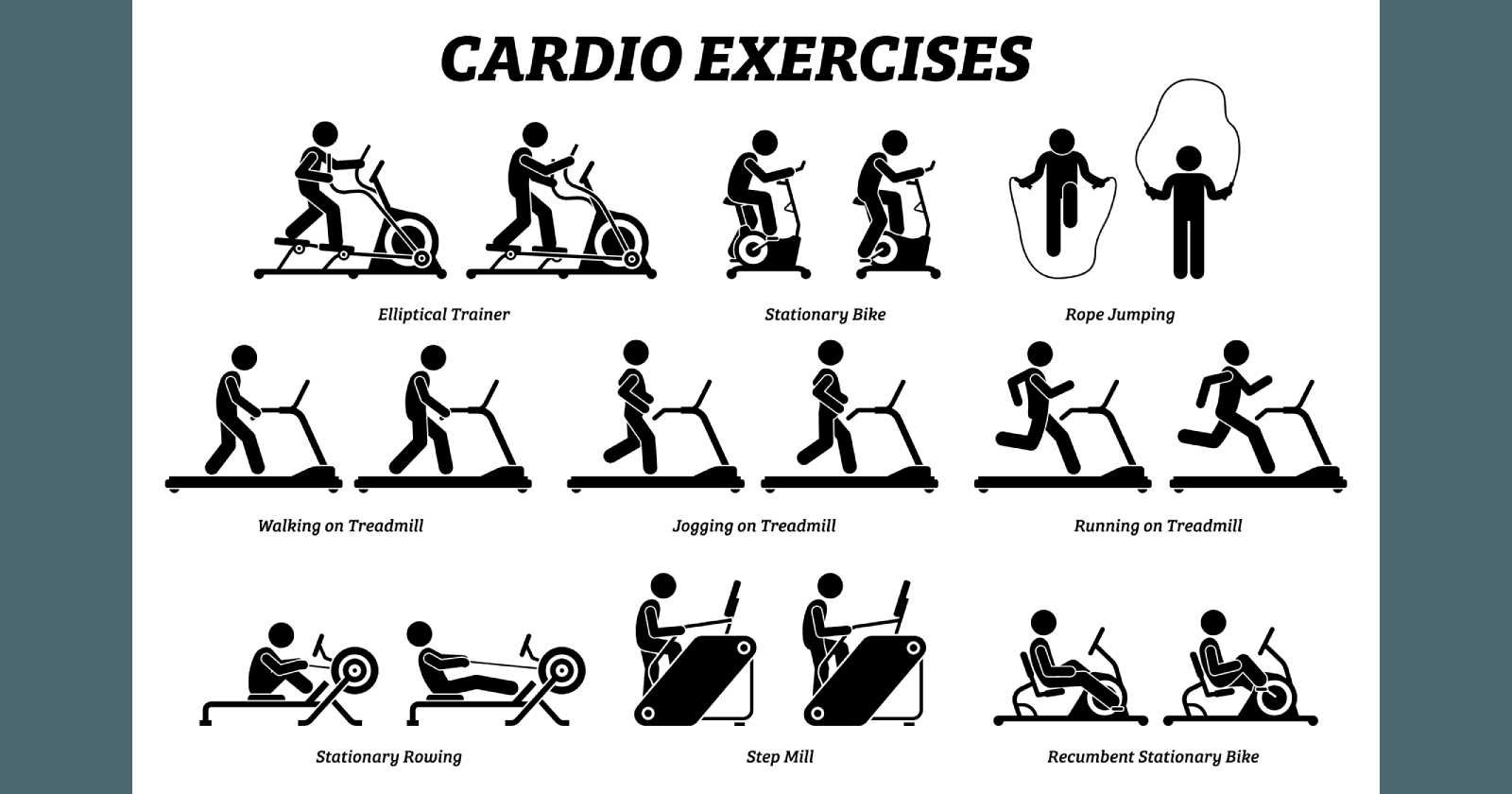
Yes, cardio is one of the most effective ways to burn calories and aid weight loss, but it’s not the only method. Incorporating cardio into your routine can boost your metabolism and help shed pounds faster, but combining it with strength training and a balanced diet delivers the best results for sustainable weight management.
Cardio exercises like running, cycling, and swimming are excellent for calorie burning and improving cardiovascular health. However, the idea that cardio alone is the “best” method for losing weight may oversimplify the process. A comprehensive approach that includes various workout types and nutritional habits is often more successful for long-term weight loss and overall wellness.
Jumping into a cardio routine can be exciting because it burns calories quickly and can be done almost anywhere. While cardio is a key player in weight loss, relying solely on it might not produce the most sustainable or balanced results. The true secret lies in mixing different forms of exercise and maintaining a healthy diet to support your goals and keep motivation high.

Is Cardio the Best to Lose Weight? An In-Depth Look
Understanding Cardio and Its Role in Weight Loss
Cardio exercises, also known as aerobic activities, involve continuous and rhythmic movements that get your heart pumping. Popular examples include running, cycling, swimming, or brisk walking. These activities increase your heart rate and help burn calories efficiently.
The main goal of cardio is to elevate your heart rate to a target zone that promotes fat burning. When you do cardio regularly, your body uses stored fat and carbohydrates for energy, which can contribute to weight loss. But is cardio truly the best way to shed unwanted pounds? Let’s explore further.
How Does Cardio Help Burn Calories?
All physical activity burns calories, and cardio tends to burn more than many other forms of exercise in a shorter period. For example, a 150-pound person can burn approximately:
- 300 calories during 30 minutes of brisk walking
- 450 calories during 30 minutes of cycling at a moderate pace
- 600 calories during 30 minutes of running
These numbers show how cardio can be an effective tool for creating a calorie deficit, which is necessary for weight loss. The more intense or longer your cardio session, the more calories you burn.
Cardio vs. Other Types of Exercise
While cardio is excellent for calorie burning, strength training offers different but complementary benefits. Strength exercises build muscle, which increases your resting metabolic rate. This means you burn more calories even when not exercising.
Here’s a quick comparison:
| Cardio | Strength Training |
|---|---|
| Burns calories during activity | Builds muscle mass that burns calories over time |
| Improves cardiovascular health | Enhances muscle strength and tone |
| Great for quick calorie burn | Provides long-term metabolic benefits |
Combining cardio with strength training creates a balanced approach to weight loss and overall fitness.
The Limitations of Relying Solely on Cardio
While cardio can help you lose weight, relying only on this type of exercise might not be enough for everyone. Some common limitations include:
- Plateaus: Your body adapts over time, making calorie burns less effective
- Muscle loss risk: Excessive cardio without strength training can lead to muscle loss
- Time consumption: High-calorie burning sessions may require significant time investment
Thus, incorporating variety in your routine ensures better results and helps maintain motivation.
The Importance of Diet and Nutrition
Exercise alone isn’t enough; your diet plays a critical role in weight loss. Consuming fewer calories than you burn creates the calorie deficit needed for weight loss. Focus on balanced meals rich in vegetables, lean proteins, and whole grains.
Some tips include:
- Watch portion sizes
- Limit sugary and processed foods
- Stay hydrated
- Maintain consistent meal times
Remember, combining an active lifestyle with healthy eating produces the best and most sustainable results.
How to Maximize the Benefits of Cardio Workouts
To get the most out of your cardio sessions, keep these points in mind:
- Vary intensity: Mix moderate and high-intensity workouts
- Increase duration gradually: Avoid burnout or injury
- Incorporate intervals: Short bursts of intense effort boost calorie burn
- Maintain consistency: Regular workouts lead to better results
Adding variety prevents boredom and challenges your body differently, promoting continuous progress.
Is High-Intensity Interval Training the Secret?
High-Intensity Interval Training (HIIT) includes short, intense bursts of exercise followed by rest or low-intensity periods. Studies show HIIT can burn more calories in less time than steady-state cardio.
Advantages include:
- Burns calories quickly and efficiently
- Increases afterburn effect, where your body continues to burn calories after the workout
- Improves cardiovascular health in less time
Including HIIT sessions two or three times a week can significantly support weight loss goals.
How Long Should Cardio Sessions Be?
The duration of cardio depends on individual fitness levels and goals. The American Heart Association recommends at least 150 minutes of moderate-intensity aerobic activity per week.
For effective weight loss, you might aim for:
- 30 to 60 minutes of moderate cardio most days
- Alternatively, shorter sessions of high-intensity workouts
Balancing workout length with intensity provides sustainable progress without overtraining.
Is Cardio Suitable for Everyone?
Most people can partake in cardio exercises, but certain conditions may require modifications. For example:
- People with joint issues might prefer swimming or cycling
- Older adults should start slow and build gradually
- Individuals with cardiovascular problems should consult a doctor before intense workouts
Adapting workouts ensures safety while still reaping benefits.
Balancing Cardio with Other Lifestyle Factors
Weight loss isn’t only about exercise; sleep, stress levels, and daily activity matter. Proper sleep supports recovery and hormone balance. Managing stress helps prevent emotional eating.
Staying active throughout the day—like taking stairs or walking during breaks—adds to calorie expenditure. Combining these habits with regular cardio amplifies results.
Summary of Key Points
– Cardio helps burn calories quickly and is effective for weight loss.
– Combining cardio with strength training yields better long-term results.
– Diet plays a vital role alongside exercise.
– Incorporating interval training maximizes calorie burn.
– Tailor workouts to your fitness level and health conditions.
In conclusion, while cardio is a powerful tool for losing weight, it works best when paired with strength routines, healthy eating, and lifestyle habits. This well-rounded approach leads to sustainable and noticeable results.
Frequently Asked Questions
Can cardio alone effectively lead to weight loss?
While cardio exercises help burn calories and improve cardiovascular health, relying solely on them might not be the most effective way to lose weight. Combining cardio with strength training and a healthy diet creates a balanced approach that maximizes fat loss and maintains muscle mass. A varied exercise routine ensures better long-term results and overall fitness.
Are other forms of exercise more effective than cardio for weight loss?
Yes, incorporating high-intensity interval training (HIIT) or strength training can be more effective in burning fat and increasing metabolic rate compared to steady-state cardio alone. These workouts build muscle, which helps your body burn more calories even at rest. A mix of different exercises offers a comprehensive approach to weight management.
How important is diet in achieving weight loss regardless of exercise type?
Diet plays a crucial role in weight loss. Exercising alone cannot compensate for poor eating habits. Consuming a balanced diet with appropriate calorie intake supports your activity efforts and accelerates fat loss. Focusing on nutritious foods and controlling portion sizes boost the effectiveness of your workout routines.
Does the intensity of cardio make a difference in weight loss results?
Higher intensity cardio sessions tend to burn more calories in less time, which can lead to quicker weight loss. However, it’s important to balance intensity with safety and recovery. Incorporating intervals or varying your workout intensity helps maintain motivation and reduces the risk of injury, making your efforts more sustainable.
Final Thoughts
Cardio is popular for weight loss, but it isn’t necessarily the best option for everyone. Combining cardio with strength training can boost metabolism and improve muscle tone.
Ultimately, the best method depends on individual preferences and goals. Consistency and enjoyment matter more than the type of exercise.
is cardio the best to lose weight? Not always, but it can be effective when part of a balanced fitness plan. Focus on what keeps you motivated and active.
As an Amazon Associate, We earn from qualifying purchases. When you purchase a product through Amazon links on pulsefitguide.com, we may earn a small commission at no extra cost to you. This helps support the site and keep our content free.
