


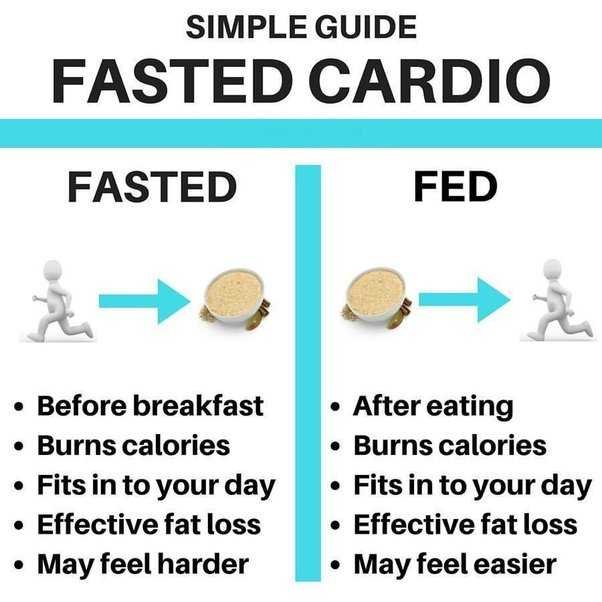
Yes, fasted cardio can be more effective for fat loss, but it varies from person to person. It’s a technique where you exercise before eating, hoping that your body burns more fat for fuel. Research shows that fasted cardio may boost fat burning, but overall calorie expenditure remains similar to fed cardio. The best approach depends on your personal preferences and how your body responds to fasted workouts.
Starting your day with an early morning cardio session on an empty stomach might seem like a shortcut to shredding fat faster, but is it really better? Many fitness enthusiasts swear by fasted cardio, believing it helps tap into stored fat more efficiently. In this article, we’ll explore whether working out without eating beforehand truly offers a better path to fat loss than traditional fed workouts. We’ll look at the science, benefits, and potential downsides, so you can decide if this approach suits your fitness journey.

Is Fasted Cardio Better for Fat Loss?
Understanding Fasted Cardio
Fasted cardio means exercising on an empty stomach, typically after waking up in the morning. Many people choose this method to maximize fat burning during their workout. The idea is that your body’s insulin levels are low, prompting it to tap into stored fat for energy instead of relying on recent food intake.
How Does Your Body Burn Fat?
Your body uses different energy sources during exercise. When you eat, your body prefers to use carbohydrates from the food you ate. In contrast, during a fasted state, the body shifts towards burning stored fat. This shift occurs because insulin levels are lower and fat stores are more accessible.
Is Fasted Cardio More Effective for Fat Loss?
Research shows mixed results on this question. Some studies suggest that fasted cardio can slightly increase fat oxidation. However, the overall impact on fat loss over time is not significantly different from fed cardio. Consistency and total calorie burn throughout the day play more critical roles.
Benefits of Fasted Cardio
- May Increase Fat Oxidation: Exercising fasted can boost the body’s ability to burn fat during the workout.
- Convenience: It often fits better into morning routines without the need to eat beforehand.
- Potential for Better Fat Loss Results: Some individuals find that fasted cardio helps them shed fat more efficiently in certain cases.
Possible Downsides of Fasted Cardio
- Lower Workout Intensity: Without fuel, you might not perform at your best, leading to less effective sessions.
- Muscle Loss Risk: Extended fasted training could lead to muscle breakdown if not managed properly.
- Reduced Energy Levels: Some people feel dizzy or weak during fasted workouts, which can decrease workout quality.
Comparing Fasted and Fed Cardio
| Aspect | Fasted Cardio | Fed Cardio |
|---|---|---|
| Energy Levels | Lower, especially in the morning | Higher, due to recent food intake |
| Fat Burn | May increase fat oxidation during exercise | Less fat-focused but still effective |
| Performance | Potentially decreased due to lack of fuel | Generally better due to available energy |
| Muscle Preservation | Risk of muscle loss if not careful | Better, especially with post-workout nutrition |
How to Maximize Fat Loss Regardless of Cardio Type
To see real fat loss results, focus on creating a calorie deficit. This means burning more calories than you consume. Incorporate the following strategies:
- Consistency: Regular exercise helps maintain a calorie deficit over time.
- Combine Cardio and Strength Training: Building muscle improves metabolism and promotes fat loss.
- Eat a Balanced Diet: Focus on whole foods, lean proteins, healthy fats, and fiber.
- Stay Hydrated: Proper hydration supports overall performance and recovery.
Best Practices for Fasted Cardio
If you choose to try fasted cardio, keep these tips in mind:
- Start Slow: Gradually increase intensity to allow your body to adapt.
- Limit Duration: Keep workouts between 30 to 45 minutes to prevent muscle loss and fatigue.
- Hydrate Well: Drink water before and after your session to stay energized and recover properly.
- Post-Workout Nutrition: Consume protein and carbs afterward to support muscle recovery and replenish glycogen stores.
Related Topics to Consider
Intermittent Fasting and Exercise
Combining fasted cardio with intermittent fasting can amplify fat burning, but listen to your body and avoid overtraining.
Diet Composition for Fat Loss
Focus on reducing processed foods and sugars. Prioritize nutrient-dense foods that support energy levels and muscle preservation.
Importance of Rest and Recovery
Allow your muscles time to recover. Rest days help prevent injury and improve overall workout results.
Additional Factors That Affect Fat Loss
Beyond exercise type, other elements influence fat loss success:
- Sleep Quality: Adequate rest supports hormonal balance and recovery.
- Stress Management: High stress levels can cause hormonal imbalances that hinder fat loss.
- Hydration: Proper water intake helps maintain performance and metabolic processes.
Summary
Fasted cardio can enhance fat oxidation temporarily, but its long-term benefits depend on individual preferences and overall lifestyle choices. Focusing on consistency, proper nutrition, and a sustainable exercise routine yields better results than fixating solely on fasting states. Remember, the key to effective fat loss lies in creating a calorie deficit while maintaining a balanced and enjoyable approach to fitness.
Frequently Asked Questions
How does fasted cardio influence the body’s use of stored fat versus carbohydrates?
Fasted cardio encourages the body to rely more on stored fat for energy because glycogen levels are lower after an overnight fast. When you exercise without eating beforehand, your body taps into fat reserves more readily, potentially increasing fat oxidation during the workout. However, the overall impact varies based on workout intensity and duration.
What is the effect of fasted cardio on workout performance and intensity?
Exercising in a fasted state might reduce your energy levels, which can lead to decreased workout intensity or shorter sessions. Some people find that they lack the energy for high-intensity exercises without prior food intake. Balancing fasted cardio with your energy needs is essential to maintain effective training without feeling overly fatigued.
Can fasted cardio help with long-term fat loss goals compared to fed training?
While fasted cardio can promote greater fat burning during the workout, long-term fat loss mainly depends on overall calorie expenditure and diet consistency. Some studies suggest it may offer a slight advantage, but it is not significantly more effective than fed workouts over time. Focus on sustainable habits that suit your preferences for sustained results.
Are there any health considerations or risks associated with fasted cardio?
Individuals with certain health conditions like diabetes, or those prone to low blood sugar, should exercise caution with fasted cardio. It may lead to dizziness, fatigue, or fainting if not properly managed. Consulting with a healthcare professional before starting fasted workouts helps ensure safety and effectiveness based on your personal health status.
Does the time of day impact the effectiveness of fasted cardio for fat loss?
The time of day can influence how your body responds to fasted cardio. Morning sessions often benefit from lower glycogen stores, which can enhance fat burning. However, personal preference and consistency also play vital roles. Choose a time that allows you to maintain regular exercise habits for the best results.
Final Thoughts
Fasted cardio can help boost fat burning by encouraging the body to use stored fat for energy. However, individual results vary based on factors like workout intensity and diet. Some people may find they perform better with fed cardio, preventing fatigue and maintaining motivation.
In the end, is fasted cardio better for fat loss? It depends on personal preference and how your body responds. Consistency and overall calorie management prove more crucial than the timing of workouts.
As an Amazon Associate, We earn from qualifying purchases. When you purchase a product through Amazon links on pulsefitguide.com, we may earn a small commission at no extra cost to you. This helps support the site and keep our content free.
