


Yes, fasting cardio can be beneficial for some people, but it may not be suitable for everyone. It involves doing cardio exercises on an empty stomach, which can help burn stored fat more effectively for certain individuals. However, it’s important to listen to your body and consider your own health needs before trying it.
In short, fasting cardio might help boost fat loss and improve metabolic health, but it’s not a one-size-fits-all approach. Some find it energizing and effective, while others may experience dizziness or fatigue. Consulting with a healthcare professional before making any significant changes is always wise.
Jumping into fasting cardio can seem like an appealing way to accelerate weight loss, but it’s essential to weigh its benefits against potential downsides. If done correctly, it could enhance fat burning and improve your overall fitness, but it’s not the magic solution for everyone. Understanding how your body responds to fasting and exercise is key to making it work for you.

Is Fasting Cardio Good for You? Exploring the Benefits and Risks
What Is Fasting Cardio?
Fasting cardio refers to doing cardiovascular exercise on an empty stomach, usually in the morning before eating anything. Many people choose this method to boost fat burning, believing that their bodies burn more fat without recent food intake. It’s often part of fasting routines like intermittent fasting or extended fasts.
How Does Fasting Cardio Work?
When you exercise in a fasted state, your body may tap into stored fat for energy instead of relying on the food you recently ate. This process is called lipolysis. The idea is that your body is more likely to burn fat if no recent calories are available from food.
Potential Benefits of Fasting Cardio
- Increased Fat Burning: Exercising on an empty stomach can lead to a higher percentage of calories burned from fat during your workout.
- Improved Insulin Sensitivity: Fasting cardio may help your body respond better to insulin, making it easier to control blood sugar levels.
- Convenience: Doing cardio early in the morning before breakfast saves time and can establish a consistent routine.
- Enhanced Mental Focus: Some people report feeling more alert and focused after fasted workouts due to increased adrenaline levels.
What Does Science Say About Fasting Cardio?
Research has shown mixed results. Some studies suggest fasted cardio can increase fat oxidation, especially in the early stages of exercise. However, other research indicates that total daily calorie intake and physical activity levels matter more for fat loss than whether you exercise fasted or fed.
Studies Supporting Fasting Cardio
– A study published in the Journal of Physiology found that fasted exercise led to greater fat oxidation compared to fed exercise.
– Researchers observe that fasted workouts can help increase metabolic rate temporarily.
Contrasting Research
– Some research indicates no significant difference in weight loss between fasted and fed cardio when total calories are controlled.
– Other studies suggest that fasted workouts may reduce workout intensity, which could limit overall calorie burn.
Risks and Downsides of Fasting Cardio
While fasting cardio offers potential advantages, it’s not suitable for everyone. Some risks may include:
- Low Energy Levels: Exercising without recent food can cause tiredness or dizziness.
- Muscle Loss: Prolonged fasting combined with high-intensity workouts might lead to muscle breakdown.
- Reduced Performance: Lack of fuel can decrease your ability to perform at high intensity or for long durations.
- Risk of Hypoglycemia: People with blood sugar issues may experience dangerously low blood sugar levels during fasted workouts.
Who Should Avoid Fasting Cardio?
People with certain health conditions or specific goals should be cautious. This includes individuals with diabetes, pregnant women, or those recovering from illness. Always consult with a healthcare provider before starting fasting or intense exercise routines.
Tips for Safe and Effective Fasting Cardio
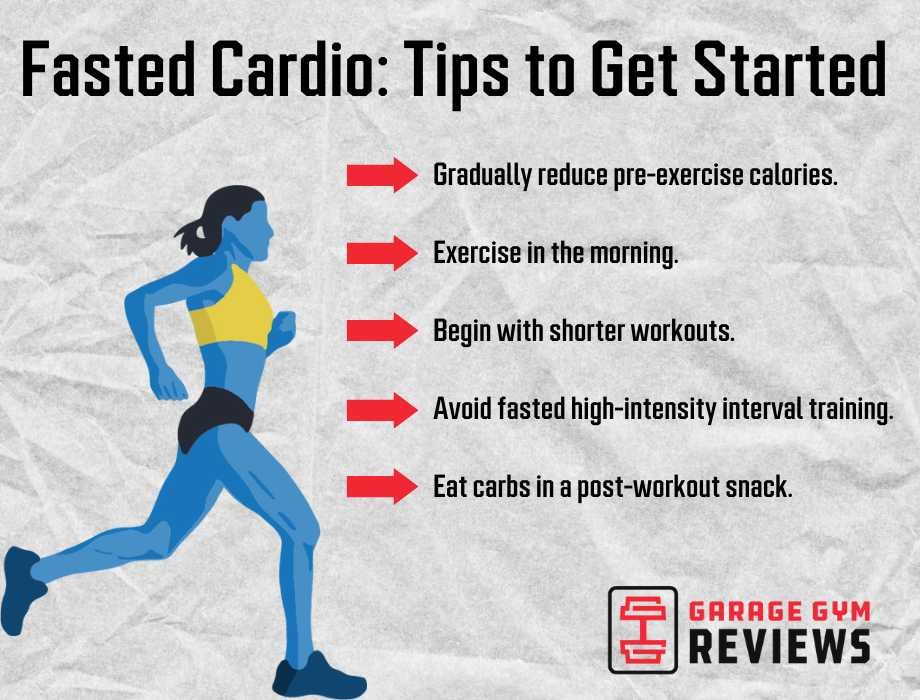
– Start Slow: Ease into fasted cardio with light to moderate intensity sessions.
– Stay Hydrated: Drink plenty of water before and after your workout.
– Listen to Your Body: If you feel dizzy or weak, stop exercising and eat something.
– Combine with Proper Nutrition: Ensure your overall diet supports your activity level and health goals.
– Time Your Workouts: Morning workouts tend to work best for fasted cardio, but adjust based on your schedule and energy levels.
Best Types of Cardio for Fasting
Certain forms of cardio may be more suitable when fasted. These include:
- Walking or light jogging
- Cycling at moderate intensity
- Swimming at a steady pace
- Low-impact aerobic exercises
High-intensity workouts or sprints may demand more energy and could be less effective or unsafe when performed fasted.
Balancing Fasting Cardio with Your Overall Fitness Plan
Fasting cardio should complement a balanced exercise routine. Incorporate strength training to preserve muscle mass. Also, consider alternating fasted and fed workouts to prevent fatigue and optimize results.
Related Topics to Consider
Intermittent Fasting and Exercise
Intermittent fasting involves periods of eating and fasting and can be paired with cardio for fat loss. Adjust timing to fit your energy levels for best results.
Nutrition After Fasting Cardio
Eating a balanced meal rich in protein and healthy fats after your workout helps recover muscles and refuel energy stores.
Tracking Progress
Use tools like heart rate monitors or fitness apps to gauge your effort and progress. Tracking helps determine if fasting cardio improves your fitness and fat loss over time.
Integrating Fasting Cardio Into Your Routine
Create a schedule that suits your lifestyle. Consistency is key for seeing benefits, but avoid overtraining or pushing yourself too hard during fasted sessions.
Fasting cardio can offer benefits like increased fat burning and improved insulin sensitivity. However, it’s essential to listen to your body and consider your overall health goals. For many, it works best as part of a balanced routine that includes proper nutrition and regular exercise. Remember, what matters most is finding a plan that fits your lifestyle and keeps you healthy and motivated.
Frequently Asked Questions
Does fasting cardio help improve fat loss results?
Fasting cardio can enhance fat loss by increasing the body’s reliance on stored fat for energy. When you exercise on an empty stomach, your glycogen levels are lower, which encourages your body to burn more fat. However, the effectiveness varies depending on individual factors like overall diet, workout intensity, and consistency. It’s essential to balance fasting cardio with proper nutrition to support your fitness goals.
Can performing cardio while fasting impact my energy levels and workout performance?
Many people experience decreased energy and endurance during fasting cardio sessions, especially if they are new to fasting or engage in high-intensity workouts. Fasting may lead to lower blood sugar levels, causing fatigue or dizziness. To optimize performance, consider modifying workout intensity or timing your sessions after a light meal if necessary. Listening to your body helps avoid overexertion and potential health risks.
Is fasting cardio suitable for everyone, including those with certain health conditions?
Fasting cardio isn’t suitable for everyone. Individuals with health conditions such as diabetes, heart problems, or low blood pressure should consult a healthcare professional before starting fasting routines. Pregnant or breastfeeding women and people with a history of eating disorders should also seek medical advice. Prioritizing safety ensures you adopt exercise practices that align with your health status.
How can I safely incorporate fasting cardio into my fitness routine?
Start gradually by scheduling light to moderate cardio sessions in a fasted state to assess how your body responds. Stay well-hydrated and monitor how you feel during workouts. If you experience dizziness, weakness, or nausea, consider breaking your fast or adjusting exercise intensity. Combining fasting cardio with a balanced diet and adequate rest promotes safer, more effective results.
Final Thoughts
Fasting cardio can be beneficial for some individuals by increasing fat burning and improving metabolic health. However, it may not suit everyone, especially those with certain health conditions or low energy levels.
It’s important to listen to your body and consult with a healthcare professional before starting fasting cardio routines. Overall, is fasting cardio good for you depends on personal goals, health status, and how you perform during workouts.
As an Amazon Associate, We earn from qualifying purchases. When you purchase a product through Amazon links on pulsefitguide.com, we may earn a small commission at no extra cost to you. This helps support the site and keep our content free.
