


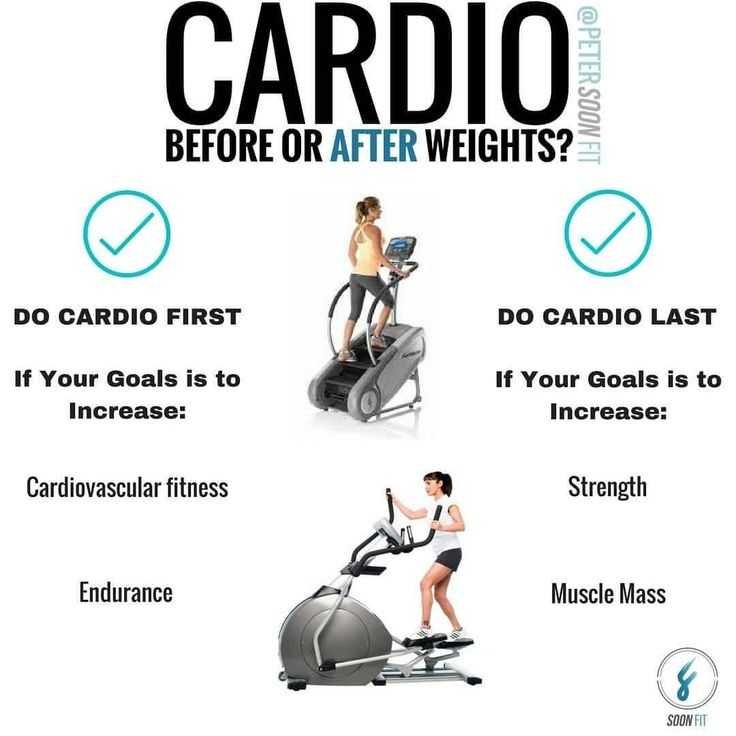
Doing cardio before or after weights depends on your fitness goals, but generally, it’s best to tailor your routine accordingly. If you’re aiming to maximize fat burning, doing cardio after weights can help burn more calories. For improving endurance or performance, cardio before lifting might give you a better warm-up. The key is to balance both based on what you want to achieve, without sacrificing one for the other.
In short, for most people, doing weights first followed by cardio is optimal for building strength and then burning fat, but if your focus is endurance or warming up, starting with cardio makes sense. Understanding your goals will help you decide when to do each to get the best results.
If you’re trying to decide whether to do cardio before or after weights, consider your fitness aims: prioritize weights if building strength, or do cardio first if warming up or boosting endurance. Ultimately, listen to your body and adjust your routine for maximum benefit and enjoyment.

Is It Best to Do Cardio Before or After Weights?
Understanding Your Fitness Goals
Before deciding whether to do cardio before or after weights, it’s important to clarify what you want to achieve. If your goal is to improve endurance or burn calories, doing cardio first might be better. For building strength or muscle, lifting weights initially could be more effective. Your goals guide the best workout order for you.
The Impact of Cardio on Strength Training
Doing cardio before lifting weights can sometimes tire your muscles. This fatigue can make it harder to lift heavy or perform at your best. However, light cardio can serve as warm-up, preparing your muscles and reducing injury risk. Heavy cardio beforehand may decrease your lifting performance.
The Benefits of Doing Weights Before Cardio
Lifting weights first helps you focus on strength development without fatigue. You can lift heavier weights and complete more reps, which is essential for muscle growth. After your strength session, doing cardio can then help burn extra calories and improve cardiovascular health without compromising your lifts.
Considering Energy Levels and Performance
Your energy levels are a key factor. Doing intense cardio first can drain your glycogen stores, reducing your strength and power during weights. Conversely, starting with weights conserves your energy for lifting, while cardio afterward can boost recovery and endurance.
Effects on Fat Loss and Muscle Building
- Cardio first: Can lead to more calorie burn at the start but may limit muscle gain if muscles tire early.
- Weights first: Promotes muscle growth and strength, with cardio afterward helping with fat loss and stamina.
The best approach depends on whether your focus is to burn fat, build muscle, or both.
The Role of Warm-up and Cool-down
Warm-ups are crucial regardless of workout order. Light cardio for 5-10 minutes helps increase blood flow and prepares your muscles. Cool-downs after exercise help reduce soreness and improve flexibility. Incorporating these can optimize your workout regardless of the sequence.
Sample Workout Routines
Here are two sample routines based on different goals:
| Goal | Workout Sequence | Description |
|---|---|---|
| Muscle Building | Warm-up + Weights + Cool-down + Light Cardio | Focus on strength, with cardio at the end for recovery |
| Fat Loss | Warm-up + Cardio + Weights + Cool-down | Maximize calorie burn by including cardio first or alongside weights |
Considerations for Different Fitness Levels
Beginners should focus on proper form and moderate intensity. Starting with light cardio as a warm-up is often ideal. Experienced athletes may vary their routine to suit specific goals, such as doing high-intensity cardio before weights to challenge themselves or after to focus on recovery.
Factors Influencing Your Choice
Several factors influence whether to do cardio before or after weights:
- Your primary goal: fat loss, muscle gain, endurance, or general health
- Workout intensity: high-intensity cardio may fatigue muscles, affecting weight training
- Time constraints: opting for a combined session or splitting workouts
- Physical condition: injuries or limitations might affect your workout order
Listening to your body helps determine what works best for you.
Long-term Training Strategies
To maximize benefits, consider rotating your routine. Alternate between doing cardio first some days and weights first on others. This variation prevents plateaus and keeps your workouts engaging.
Additional Tips for Effective Workouts
- Stay hydrated before and after exercise
- Eat a balanced diet rich in protein and carbs to fuel your workouts
- Include rest days for recovery and muscle repair
- Monitor your progress to adjust your routine as needed
Consistent effort and listening to your body ensure better results.
Related Topics to Explore
Other aspects to consider include the benefits of interval training, the importance of rest and recovery, and how nutrition impacts your workout effectiveness. Incorporating flexibility and stretching into your routine can also enhance performance and prevent injuries.
The Final Word
Choosing whether to do cardio before or after weights depends on your individual goals, energy levels, and physical condition. Both approaches have their benefits, and combining them thoughtfully can lead to the best results. The key is to remain consistent, adjust based on your progress, and enjoy your workouts.
Frequently Asked Questions
How does doing cardio before lifting weights affect my workout performance?
Doing cardio before lifting can improve your overall workout by increasing your heart rate and warming up your muscles. However, it may also lead to fatigue, which can reduce your strength and stamina during weight training. If you perform intense cardio first, you might not lift as much weight or perform as many reps. For a balanced approach, consider doing light cardio to warm up and reserve more intense cardio for after weights.
What are the benefits of doing weights before cardio in a training session?
Starting with weights allows you to focus your energy on strength training when your muscles are fresh. This can lead to better form, increased strength gains, and improved muscle growth. After lifting, doing cardio can help with recovery by increasing blood flow and reducing muscle soreness. This sequence is especially useful if your goal emphasizes building strength or muscle.
Does the timing of cardio impact muscle growth and recovery?
Yes, the timing of cardio can influence muscle growth and recovery. Doing cardio before weights might deplete glycogen stores, making it harder to lift heavy or perform high-intensity exercises. Conversely, doing cardio afterward allows you to maintain energy levels during your weight session and use cardio as a way to cool down and promote recovery. Focus on moderation to support your specific fitness goals.
Final Thoughts
The question of whether it is best to do cardio before or after weights depends on your goals. If you aim to build strength and muscle, doing weights first allows you to lift with maximum energy. Conversely, if endurance and fat burning are your priorities, starting with cardio can be more effective. Ultimately, the best approach varies for each individual. Remember, the key is balancing both elements to support your fitness journey.
As an Amazon Associate, We earn from qualifying purchases. When you purchase a product through Amazon links on pulsefitguide.com, we may earn a small commission at no extra cost to you. This helps support the site and keep our content free.
