


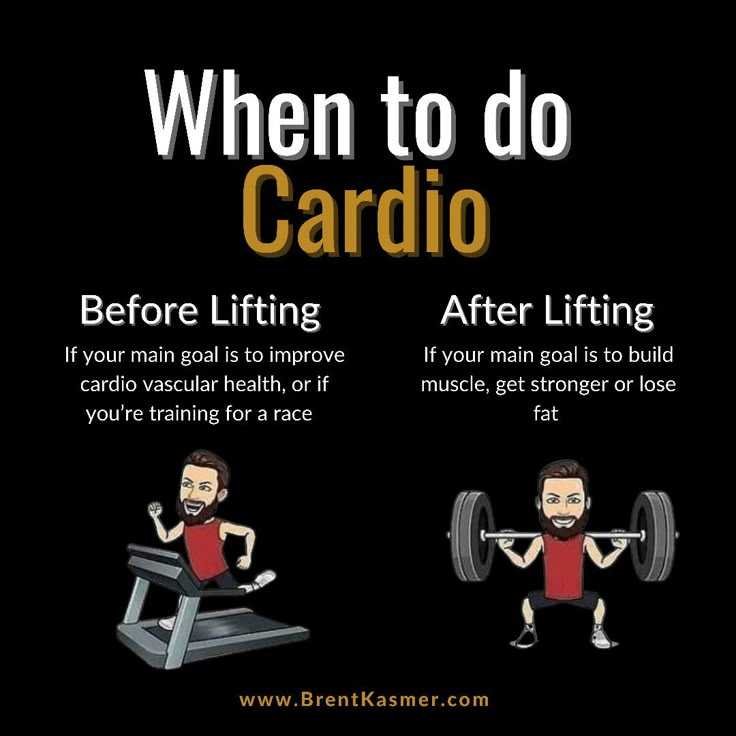
Starting with weights boosts strength and muscle growth, while doing cardio first can warm up your body and improve endurance. So, which should come first? The best approach depends on your fitness goals. If you want to build muscle, lift weights first to maximize your energy for strength training. If your goal is cardiovascular endurance or fat burning, starting with cardio makes sense. Ultimately, balancing both based on your personal objectives and workout plan can lead to better results.
For most people, doing weights first is ideal if the primary goal is muscle building, whereas doing cardio first suits those focusing on endurance or weight loss. There’s no one-size-fits-all answer, but understanding your priorities helps you plan effectively. Now, let’s dive into the details to help you determine what’s best for your fitness journey.

Is it better to do cardio or weights first?
Understanding the Purpose of Your Workout
When deciding whether to start with cardio or weights, it’s important to understand your fitness goals. Are you aiming to improve endurance, build muscle, lose weight, or increase overall health? Your goals influence which workout should come first.
If your focus is on **cardiovascular health or stamina**, doing cardio first can help warm up your muscles and prepare your body. Conversely, if your main goal is to **build muscle strength**, starting with weights allows you to lift with maximum energy and focus.
Effects on Energy Levels and Performance
Your energy levels play a big role in making this decision. Performing cardio first can tire your muscles and reduce strength, possibly limiting your ability to lift weights effectively.
On the other hand, beginning with weights may deplete your energy for cardio, especially if your workout involves high-intensity lifting. It’s about balancing your priorities and understanding how each activity impacts your stamina and strength during the session.
Research Insights on Workout Sequence
Studies show that doing weights before cardio helps improve muscle strength and size. This sequence allows you to lift with maximum effort without fatigue from prior cardio.
Alternatively, doing cardio first can enhance blood flow and warm-up muscles, possibly reducing injury risk and increasing flexibility. However, it may not support maximum strength output during weightlifting sessions.
Impact on Fat Burning and Weight Loss
If fat loss is your goal, the order can influence how many calories you burn during your workout. Starting with cardio may burn more calories early on, as you’re fresh and able to sustain higher intensity.
Some research suggests that doing weights first can lead to a greater overall calorie burn by increasing post-exercise oxygen consumption, known as the afterburn effect. This means your body continues to burn calories even after your workout ends.
Workout Efficiency and Time Management
For busy schedules, efficiency is key. Combining cardio and weights in one session is common, but the order can affect how much energy you have for each part.
Mixing the sequence based on your primary goal can make your workout more effective and enjoyable. For example, start with weights to maximize muscle work, then finish with cardio for a cool-down and additional calorie burn.
Personal Preferences and Comfort
Some people find they perform better doing cardio first because it warms up their muscles and reduces injury risk. Others prefer lifting weights first to lift with fresh muscles and avoid exhaustion.
Your comfort and consistency matter most. Choose the order that keeps you motivated and able to stay committed to your routine.
Specific Training Programs and Recommendations
Many training plans recommend doing weights first if your goal is strength development. They suggest doing cardio afterward to reduce fatigue and maintain proper form.
In contrast, circuit training often combines cardio and weights simultaneously, making the question less relevant but emphasizing the importance of tailored workout design.
Factors to Consider When Making the Choice
Consider your fitness level, workout duration, and overall energy. If you’re a beginner, a balanced approach might be best, alternating the order depending on the day or focus.
Age and recovery status can also influence optimal sequencing, especially for those with joint issues or medical conditions.
Sample Workout Routines for Both Approaches
- Weights First: Warm-up, 30 minutes of weight training, cool down with light cardio.
- Cardio First: Warm-up with 10 minutes of light cardio, 20-30 minutes of weightlifting, cooldown and stretching.
Adjust these plans based on your goals, availability, and how your body responds.
Balancing Both for Overall Fitness
Combining cardio and weights is effective for overall health. Some prefer splitting workouts into different days, while others combine them into one session.
Regardless of the order, consistency and proper rest are essential for progress and injury prevention.
Summary of Key Takeaways
- If your goal is to maximize strength, do weights first.
- If weight loss or endurance is your focus, start with cardio.
- Warm-up with light cardio before cycling into heavier workouts to reduce injury risk.
- Listen to your body and adjust the order based on how you feel and perform.
Knowing which order suits your goals helps you design a workout that’s both effective and enjoyable. This choice can influence your progress, recovery, and overall fitness journey.
Frequently Asked Questions
What factors should influence whether I do cardio or weights first?
Consider your fitness goals, energy levels, and workout preferences when deciding the order. If your goal focuses on endurance or cardiovascular health, starting with cardio can help maximize your workout. On the other hand, if building strength is a priority, performing weights first allows you to lift with more energy and focus. Additionally, your current fatigue level and how much you plan to train can influence your choice, helping you plan a session that aligns with your objectives.
How does doing weights before cardio impact my workout performance?
Doing weights first can deplete your energy reserves, potentially reducing the intensity and effectiveness of your cardio session. If you perform strength training initially, you may notice decreased stamina or endurance during subsequent cardio exercises. However, if your main goal is to improve strength or muscle development, prioritizing weights can ensure you lift with full strength and proper form, which may enhance overall results.
Can the order of cardio and weights affect recovery and injury risk?
The order can influence how your body recovers and its vulnerability to injury. Starting with weights can fatigue muscles, making you more prone to improper form during cardio, which increases injury risk. Conversely, beginning with cardio might leave you less capable of performing weight exercises with proper technique, especially when tired. Balancing workout order based on your fitness level and including adequate rest helps reduce injury risk and supports better recovery.
Should I alternate between doing cardio and weights first on different days?
Alternating between cardio and weights at the start of your workouts can provide variety and prevent plateaus. It allows you to focus on your specific training priorities each day, whether improving cardiovascular fitness or building strength. This approach also helps you avoid mental fatigue and maintain motivation, ensuring you give adequate effort to each workout type based on your goals.
Final Thoughts
Choosing whether to do cardio or weights first depends on your fitness goals. If your aim is to improve endurance, start with cardio. For building strength, tackle weights first to maximize energy levels.
Generally, doing weights first benefits those focused on muscle gains, while cardio first can help with stamina.
In conclusion, is it better to do cardio or weights first? It ultimately hinges on your priorities. Focus on your goals, and pick the sequence that aligns best with your workout objectives.
As an Amazon Associate, We earn from qualifying purchases. When you purchase a product through Amazon links on pulsefitguide.com, we may earn a small commission at no extra cost to you. This helps support the site and keep our content free.
