


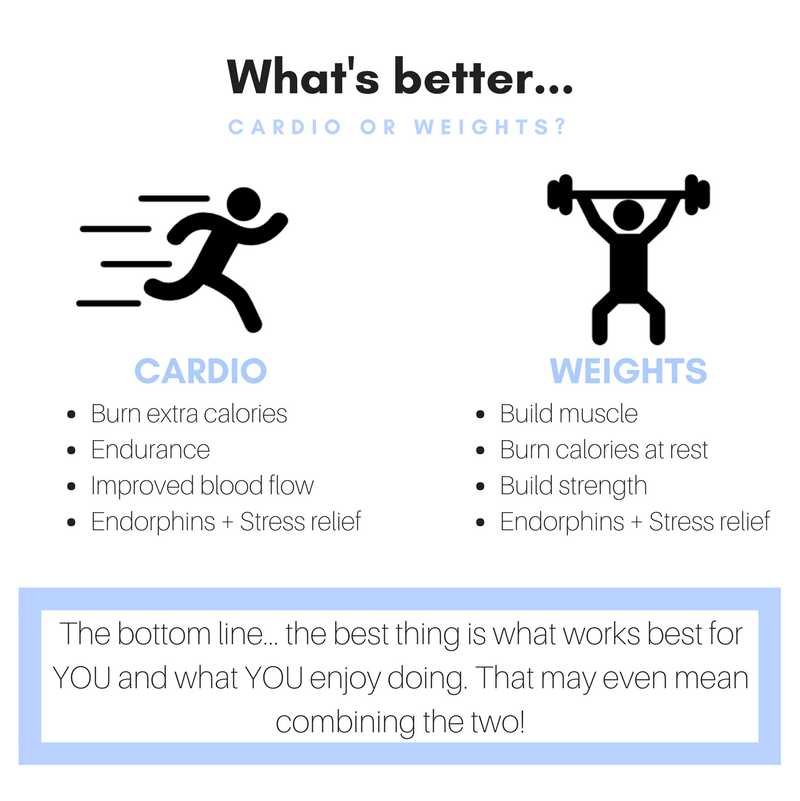
Starting or ending your workout with cardio depends on your fitness goals, but generally, doing cardio at the beginning can boost energy and warm up your muscles, while finishing with it can maximize fat burning and endurance. The best approach varies based on whether you’re aiming for improved cardio health, weight loss, or strength gains. Experimenting with both options can help you discover what works best for your body and goals.
If you want to maximize energy for strength training, start with cardio to warm up your muscles. If your focus is burning fat or increasing stamina, ending your workout with cardio might be more effective. Ultimately, the timing of cardio should align with what you want to achieve from your workout.
Getting your workout timing right can make a big difference in reaching your fitness milestones. Some prefer starting with cardio to get their blood pumping and prevent injury, while others find that ending with cardio helps them push through fatigue and finish strong. Understanding your goals and listening to your body can help you decide which approach suits you best.

Is It Better to Start or End with Cardio? Exploring the Best Approach
Understanding Cardio: What It Is and Why It Matters
Cardio, short for cardiovascular exercise, includes activities like running, cycling, swimming, or brisk walking. It helps strengthen your heart and lungs, making daily activities easier and improving overall health. Many people wonder whether doing cardio at the beginning or end of their workout yields better results.
The Benefits of Doing Cardio at the Beginning of Your Workout
Starting with cardio can warm up your body, preparing muscles for more intense exercises. It boosts blood flow, which can reduce the risk of injury during strength training. Plus, for weight loss, some believe doing cardio first burns more calories overall.
Why Some People Prefer to Start with Cardio
People who focus on endurance or fat burning often choose to do cardio first. Cardio can help burn stored fat during the workout’s initial phase. It also increases mental alertness, making the workout feel more energetic from the start.
Potential Downsides of Starting with Cardio
Performing cardio first might fatigue your muscles, making strength training less effective. It can also leave you with less energy for lifting weights or doing high-intensity exercises afterward. This may limit overall workout quality if your goal is building strength.
Advantages of Ending with Cardio
Performing cardio after strength training can help improve stamina and aid recovery. It allows you to maximize energy during lifting exercises when your muscles are fresh. Additionally, finishing with cardio helps burn calories accumulated during strength training.
The Case for Cardio at the End
Ending your workout with cardio can boost fat loss since you burn calories after completing resistance training. It may also improve your cardiovascular health by maintaining a steady state of elevated heart rate for a longer period. For those aiming at muscle building, this sequence preserves energy for lifting.
Possible Drawbacks of Cardio at the End
Some might find they are too tired to perform cardio effectively after strength work. This can lead to less intensity during the cardio phase, reducing its benefits. Also, if your main goal is endurance, doing cardio last might not be optimal.
Which Approach Is Better for Different Fitness Goals?
Your choice depends on your main goals. For weight loss, **both approaches can work**. Starting with cardio burns more calories early, while ending with cardio burns calories after strength training. If building muscle is your aim, doing cardio last might preserve energy for lifting. For improving cardiovascular health, either approach can be beneficial, but consistency is key.
Combining Cardio and Strength: The Best Strategy
Some athletes prefer alternating sequences, such as doing cardio on one day and strength on another. Others combine both in a single session with a specific order. For example, a warm-up might include light cardio, followed by strength, then a cool-down cardio session.
Sample Workout Sequences
- Warm-up with 5-minute light cardio, then strength training, then 10-minute moderate cardio cool-down.
- Start with 10-minute brisk walk or jog, followed by weightlifting, then 15-minute steady-state cardio.
- Perform strength exercises first, then finish with high-intensity interval training (HIIT) for cardio.
How to Personalize Your Cardio Timing
Consider your fitness level, goals, and preferences. If you’re a beginner, starting with light cardio can prepare your body. Advanced athletes might experiment with different orders to find what feels best. Listen to your body and adjust based on energy levels and progress.
Factors to Keep in Mind
- Time available for training
- Type of cardio and strength exercises
- Specific fitness goals (weight loss, muscle gain, endurance)
- Personal comfort and motivation
Scientific Insights and Research Findings
Studies show that the sequence of cardio and strength training impacts efficiency and results. Certain research indicates that doing cardio before strength can improve endurance but might impair strength gains. Conversely, ending with cardio can help in long-term fat burning and recovery.
Balancing Cardio and Strength for Overall Fitness
Combining both methods ensures a well-rounded fitness routine. Proper sequencing and variation prevent plateaus, reduce injury risk, and enhance motivation. Incorporate both into your weekly plan for best results, adjusting order as needed.
Common Mistakes to Avoid
- Skipping warm-up cardio before intense workouts
- Overdoing cardio at the expense of strength training
- Neglecting rest days and recovery
- Failing to listen to your body’s signals of fatigue or overtraining
The Bottom Line: Finding What Works for You
Both starting and ending with cardio have pros and cons, depending on your goals and preferences. Experiment with different sequences, monitor your progress, and stay consistent. Remember, the best workout approach is the one you enjoy and can stick with long-term.
Frequently Asked Questions
Does the order of cardio affect overall workout performance?
Yes, the order can influence how effectively you perform during your workout. Doing cardio first can deplete your energy, potentially reducing your strength and endurance for subsequent strength training. Conversely, starting with strength training allows you to lift heavier and perform better in your resistance exercises, while ending with cardio can improve endurance without compromising your lifting capacity.
Is it better to do cardio before or after weight training for fat loss?
For fat loss, it generally depends on your goals. Performing cardio after weight training can help burn more calories from fat since your glycogen stores are lower, prompting the body to utilize fat for energy. However, doing cardio first can warm up your muscles and improve cardiovascular fitness, but might lead to fatigue, limiting your strength during weight lifting. Consider your priorities and how your body responds to find the best routine.
How does starting or ending with cardio impact workout recovery?
Starting with cardio can increase blood flow and prepare your muscles for the workout but may also tire you out early. Ending with cardio allows your body to recover gradually and may reduce fatigue before post-exercise stretching or cool-downs. The best choice depends on your overall workout intensity and recovery needs, but typically, ending with moderate cardio encourages better recovery.
Should athletes prioritize cardio at the beginning or end of their training sessions?
Athletes focusing on performance often prefer to do more intense cardio at the beginning to maximize energy for their sport-specific activities. For endurance training, starting with cardio helps build stamina early. However, if strength or skill development takes priority, they might perform cardio after their main training session to avoid fatigue that could impair technique.
What are the benefits of incorporating both approaches in a workout plan?
Alternating the order of cardio within your training schedule can offer varied benefits. Starting with cardio can enhance cardiovascular fitness and warm-up muscles, while ending with cardio can improve endurance and facilitate active recovery. Mixing these approaches keeps your routine balanced, prevents plateaus, and helps you adapt to different training stimuli for overall fitness progress.
Final Thoughts
Starting with cardio can boost your energy and warm up muscles, making subsequent strength training more effective. Ending with cardio helps burn fat and improve endurance after completing resistance exercises.
Ultimately, is it better to start or end with cardio depends on your goals. Both approaches offer benefits, so choose what aligns best with your fitness aims.
As an Amazon Associate, We earn from qualifying purchases. When you purchase a product through Amazon links on pulsefitguide.com, we may earn a small commission at no extra cost to you. This helps support the site and keep our content free.
