


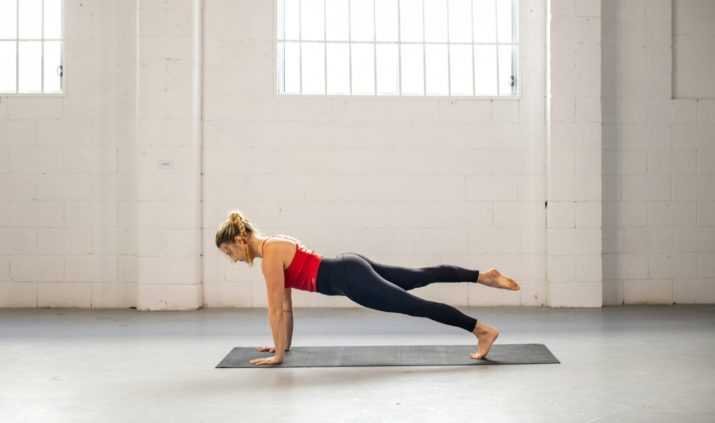
Yes, Pilates is generally not classified as a traditional cardio workout. While it can boost your heart rate slightly, its primary focus is on flexibility, strength, and core stability rather than cardiovascular endurance.
Pilates is often seen as a low-impact exercise that emphasizes controlled movements, making it a fantastic choice for improving posture, flexibility, and muscle tone. Although it doesn’t raise your heart rate enough to count as cardio like running or cycling, it can complement your cardio routines by enhancing muscle strength and stability. If you’re looking to boost your cardiovascular health, combining Pilates with aerobic exercises can give you the best of both worlds.
Discovering whether Pilates qualifies as cardio helps many fitness enthusiasts tailor their workout plans more effectively. It’s a versatile form of exercise that supports overall fitness but usually isn’t enough on its own to significantly improve heart health unless combined with more vigorous activities.

Is Pilates Considered Cardio? Understanding How Pilates Fits into Your Fitness Routine
Many people wonder whether Pilates qualifies as a cardio workout. The answer depends on how you define cardio and what your fitness goals are. While Pilates is usually known for improving flexibility, strength, and posture, some forms can also elevate your heart rate. This section will explore what Pilates is and how it relates to cardio exercise.
What Is Pilates?
Pilates is a low-impact exercise method developed by Joseph Pilates during the early 20th century. It emphasizes controlled movements, breathing, and core strength. Pilates exercises focus on muscles deep inside your body, helping you build stability and alignment.
Pilates can be practiced on a mat or specialized equipment like the reformer. It offers a gentle way to improve muscle tone and flexibility without high-impact movements. Because of its slow, controlled style, many assume it is not a cardio workout.
How Does Cardio Differ from Pilates?
Cardio exercises, also called aerobic workouts, increase your heart rate and breathing for an extended period. They include activities like running, cycling, and swimming. Cardio aims to improve cardiovascular health and stamina.
Pilates, on the other hand, is generally focused on strengthening and lengthening muscles with deliberate movements. Its primary goal isn’t to boost your heart rate but to enhance core stability, posture, and flexibility. But some Pilates routines can get your heart pumping.
Can Some Forms of Pilates Be Considered Cardio?
Yes. Certain styles of Pilates are more dynamic and can raise your heart rate, making them comparable to light cardio workouts. High-Intensity Interval Training (HIIT) Pilates combines fast-paced moves with traditional Pilates exercises.
This style involves quick transitions between exercises, keeping your heart rate elevated throughout the session. These classes can be a good option if you’re seeking both strength and cardiovascular benefits.
Differences Between Traditional and Cardio-Pilates
| Traditional Pilates | Cardio-Driven Pilates |
|---|---|
| Focuses on controlled, precise movements | Includes faster, more dynamic sequences |
| Primarily improves muscle strength and flexibility | Elevates heart rate and improves endurance |
| Low-impact with gentle intensity | Can be moderate to high intensity |
How to Tell If Your Pilates Session Counts as Cardio
If your Pilates class makes you breathe faster and makes your heart beat more than usual, it has cardio elements. You might also notice sweating and increased calorie burn. Pay attention to how you feel during and after the workout to determine its intensity.
Measuring the Intensity of Your Pilates Workout
- Use a heart rate monitor to see if your heart rate reaches 50-70% of your maximum during exercises
- Check if you’re breathing quickly or feeling warm and sweaty
- Assess how long you can sustain the activity without feeling overly tired
Benefits of Combining Pilates with Cardio Workouts
Mixing Pilates with cardio exercises offers a balanced fitness plan. Pilates enhances flexibility and core strength that support better performance during cardio. Meanwhile, cardio exercises boost cardiovascular health and aid in weight management.
This combination can also prevent workout boredom and reduce injury risk by improving muscle balance and joint stability.
Sample Workout Plan Incorporating Pilates and Cardio
- Begin with 20 minutes of a dynamic Pilates session, focusing on core and stability exercises
- Follow with 30 minutes of moderate-intensity cardio like brisk walking or cycling
- Finish with stretching and cool-down, including Pilates stretches for flexibility
Who Should Consider Incorporating Cardio into Pilates?
If your goal is to improve overall fitness, combining cardio and Pilates benefits everyone. It is particularly helpful for those seeking weight loss, increased stamina, or improved heart health.
People recovering from injuries or with joint issues also benefit from gentle cardio-Pilates routines, as they tend to be low-impact and safe.
Safety Tips for Doing Cardio Pilates
- Start slowly and increase intensity gradually
- Listen to your body and avoid pushing through pain
- Stay hydrated and wear appropriate, comfortable clothing
- Consult with a fitness professional if you’re unsure about your technique or intensity
Summary of Key Points
While traditional Pilates isn’t considered a cardio workout because it doesn’t generally elevate your heart rate significantly, certain styles and routines can be quite aerobic. High-energy, fast-paced Pilates classes do provide some cardio benefits. Incorporating cardio into your Pilates routine or choosing dynamic Pilates sessions can help you achieve both strength and heart health goals. Overall, the best approach depends on your fitness goals, preferences, and current physical condition.
By understanding how Pilates fits into the spectrum of physical activity, you can tailor your workouts to maximize your health benefits. Whether you aim for gentle stretching or a vigorous session, knowing the role of cardio in your routine helps you stay motivated and healthy.
Read this BEFORE YOU START PILATES 💕 #pilates #workout
Frequently Asked Questions
Can Pilates help improve cardiovascular health?
Yes, certain forms of Pilates, especially those performed at a faster pace or with added cardio elements, can boost your heart rate and improve cardiovascular health. While traditional Pilates focuses on controlled movements and core strength, incorporating dynamic routines can provide a workout that benefits your heart and circulation.
How does Pilates compare to aerobic exercises in terms of calorie burning?
Pilates generally burns fewer calories than aerobic exercises like running or cycling when performed at a traditional pace. However, faster-paced Pilates or classes that incorporate continuous movement can increase calorie expenditure, making it a valuable part of a balanced exercise routine aimed at overall fitness and weight management.
Is it possible to get my heart rate elevated during Pilates sessions?
It is possible, especially with high-intensity or dynamic Pilates routines. Moving quickly through exercises, adding resistance, or combining Pilates with cardio-based workouts can raise your heart rate. For those seeking to improve cardiovascular endurance, selecting sessions designed to include these elements can be effective.
What are the benefits of combining Pilates with cardio workouts?
Combining Pilates with cardio exercises can enhance overall fitness by improving core strength, flexibility, and balance while also increasing endurance and cardiovascular health. This approach allows you to enjoy the benefits of both strength training and aerobic activity, leading to a more comprehensive workout routine.
Is Pilates suitable as a replacement for traditional cardio workouts?
Pilates alone might not provide the same level of cardiovascular conditioning as traditional aerobic exercises. However, it complements cardio by strengthening muscles and improving posture. To achieve optimal cardiovascular health, consider integrating Pilates with regular cardio sessions into your weekly routine.
Final Thoughts
Pilates is primarily a low-impact exercise focused on strengthening muscles and improving flexibility. It often involves controlled movements and emphasizes breathing and posture.
Some Pilates classes incorporate dynamic sequences that increase heart rate, blurring the lines between strength training and cardio.
However, traditional Pilates is not considered a vigorous cardio workout.
Is Pilates considered cardio? Generally, no, but certain Pilates styles can offer a mild cardiovascular benefit.
As an Amazon Associate, We earn from qualifying purchases. When you purchase a product through Amazon links on pulsefitguide.com, we may earn a small commission at no extra cost to you. This helps support the site and keep our content free.
