


Yes, rowing is an excellent cardio workout that boosts your heart health and burns calories efficiently. It combines full-body engagement with sustained aerobic activity, making it a superb choice for improving cardiovascular fitness.
Rowing is definitely a great cardio workout, offering a dynamic and effective way to get your heart pumping while engaging multiple muscle groups. Whether you’re a beginner or an experienced athlete, rowing can be tailored to fit your fitness level, providing both endurance training and fat burning benefits. It’s low-impact, which means it’s easier on your joints than some other high-intensity exercises, yet still delivers a powerful cardiovascular punch. If you’re looking for an efficient workout that combines cardio and strength training, rowing might just be the perfect addition to your fitness routine. Plus, it’s versatile, accessible, and can be done indoors or outdoors, depending on your preference.

Is Rowing a Good Cardio Workout?
Understanding Cardio Exercise
Cardio exercise, also called aerobic exercise, is any activity that increases your heart rate and helps improve your cardiovascular health. It can improve your lung capacity and boost your stamina over time. Many exercises qualify as cardio, including running, cycling, swimming, and rowing.
What Makes Rowing a Unique Cardio Exercise?
Rowing stands out because it engages both your upper and lower body simultaneously. It requires continuous movement, which keeps your heart rate elevated for a sustained period. This full-body engagement can make rowing one of the most efficient workouts for burning calories and building endurance.
The Benefits of Rowing as a Cardio Workout
High-Calorie Burn
Rowing helps burn a significant amount of calories. Depending on your weight and workout intensity, you can burn between 400 to 600 calories in just one hour of rowing. This makes it great for weight loss and maintaining a healthy body weight.
Low-Impact Exercise
Unlike running or jumping, rowing is gentle on your joints. The water or air resistance provides smooth movement, reducing the risk of joint pain. This makes rowing suitable for people with arthritis or recovering from injuries.
Builds Cardiovascular Endurance
Regular rowing increases your heart and lung capacity. Over time, you’ll notice your stamina improving, allowing you to do other physical activities more easily. It also strengthens your heart muscles, contributing to overall heart health.
How to Effectively Use Rowing as a Cardio Workout
Setting the Right Intensity
To get the best cardio benefits, aim for a moderate to high-intensity effort. You should feel your heart pounding but still be able to hold a conversation. Using a rowing machine’s resistance level and pace helps control workout intensity.
Duration and Frequency
Start with sessions of about 15 to 20 minutes, gradually increasing to 30 or more as your fitness improves. Aim to row at least three times a week for consistent cardiovascular benefits.
Incorporating Intervals
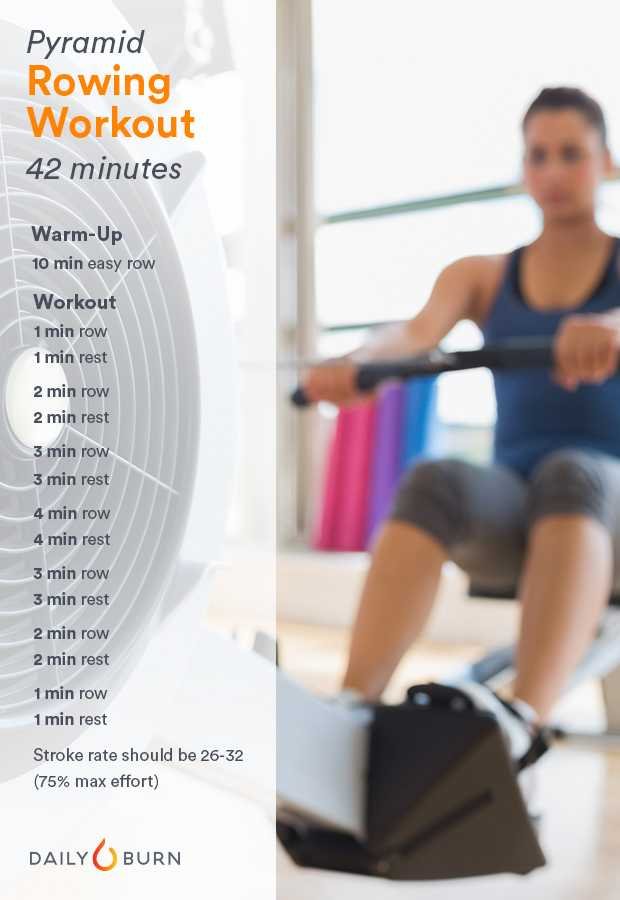
Interval training involves alternating between high-effort rowing and slower recovery periods. For example, row hard for 30 seconds, then slow down for 1 minute. This approach boosts calorie burn and challenges your heart more effectively.
Proper Technique for Effective Cardio Rowing
Focus on Form
Begin with your legs pushing against the footrests, then lean back slightly as you pull the handle towards your chest. Maintain a straight back and avoid jerky movements. Proper form maximizes efficiency and reduces injury risk.
Breathing Tips
Exhale as you pull the handle towards you and inhale as you return to the starting position. Deep, steady breathing ensures your muscles get enough oxygen during the workout.
Who Should Consider Rowing for Cardio?
Rowing suits people of all fitness levels, from beginners to athletes. It is especially helpful for those seeking low-impact yet effective cardio exercises. People with joint issues can benefit from its gentle nature, while athletes can use rowing to improve overall stamina.
People with Injuries or Joint Pain
Since rowing is low-impact, it won’t aggravate conditions like arthritis. It provides a safe way to stay active while protecting your joints.
Those Looking for a Time-Efficient Workout
Rowing offers a full-body workout in a short period, making it ideal for busy schedules. You can get a thorough cardio session with just 20 to 30 minutes on the machine.
Comparing Rowing to Other Cardio Activities
| Activity | Calories Burned (per hour) | Impact Level | Muscles Worked |
|---|---|---|---|
| Running | 600-800 | High | Legs, core, arms |
| Cycling | 500-700 | Moderate | Legs, glutes |
| Swimming | 500-700 | Low | Full body |
| Rowing | 400-600 | Low to moderate | Upper body, lower body, core |
This comparison shows that rowing provides a comparable calorie burn with less impact than high-intensity running. It also engages multiple muscle groups, offering both cardio and strength benefits.
Potential Drawbacks and Considerations
Learning Curve
Proper technique is essential to prevent strain and maximize benefits. Beginners might need time and guidance to perfect their form.
Equipment Accessibility
Access to a rowing machine may be limited outside gyms or training centers. However, rowing can also be done on water if you have access to a boat and proper safety measures.
Monitoring Intensity
Overexertion can lead to fatigue or injury. Use heart rate monitors or perceived exertion scales to keep your workout safe and effective.
Incorporating Rowing into Your Fitness Routine
Combine with Other Cardio Activities
Mixing rowing with activities like walking or cycling prevents boredom and challenges your body in different ways.
Strength and Flexibility
Pair rowing with strength training or stretching exercises for a balanced fitness plan. It helps improve overall health and reduces injury risk.
Safety Tips
Always warm up before rowing and cool down afterward. Stay hydrated and listen to your body to prevent overtraining.
Rowing offers a low-impact, highly effective way to improve cardiovascular health. Its ability to work multiple muscle groups while boosting endurance makes it stand out among cardio exercises. Whether you are a beginner or an experienced athlete, incorporating rowing into your routine can help you reach your fitness goals safely and efficiently.
Rowing vs Running: 6 Weight Loss Differences (You Didn’t KNOW)
Frequently Asked Questions
How does rowing compare to other forms of cardio exercise in terms of effectiveness?
Rowing provides a comprehensive cardiovascular workout that engages multiple muscle groups simultaneously. Compared to running or cycling, rowing offers low-impact exercise, reducing stress on your joints while still raising your heart rate. This combination makes it an efficient way to improve endurance, burn calories, and strengthen muscles at the same time.
Can rowing help improve overall cardiovascular health?
Yes, regular rowing sessions boost heart and lung capacity by challenging your cardiovascular system consistently. The sustained effort during rowing increases circulation, helps lower blood pressure, and enhances overall cardiac function. These benefits contribute significantly to maintaining good heart health over time.
Is rowing suitable for beginners seeking a cardio workout?
Absolutely. Rowing can be easily adapted to different fitness levels. Beginners can start with shorter sessions at a lower intensity and gradually increase as they build endurance. The controlled movement and adjustable resistance make it accessible for those new to exercise and looking to improve their cardiovascular fitness.
Does rowing provide a good workout for weight loss?
Yes, rowing burns a high number of calories in a relatively short period, making it effective for weight loss. The combination of aerobic and resistance training accelerates calorie expenditure and helps preserve muscle mass while losing fat. Consistent rowing sessions support a healthy weight management plan.
Is rowing an effective way to improve stamina and endurance?
Definitely. Regular rowing trains your cardiovascular system and develops muscular endurance. Over time, this leads to increased stamina, enabling you to sustain longer exercise sessions and perform daily activities with less fatigue. It’s a practical way to build lasting endurance through consistent effort.
Final Thoughts
Rowing provides an effective full-body workout that boosts cardiovascular health. It engages multiple muscle groups, helping to burn calories efficiently.
Many people find rowing enjoyable and easy to incorporate into their fitness routines. Its low-impact nature makes it suitable for all fitness levels.
In conclusion, is rowing a good cardio workout? Yes, it offers an excellent mix of cardio and strength training, making it a versatile choice for anyone aiming to improve their health and endurance.
As an Amazon Associate, We earn from qualifying purchases. When you purchase a product through Amazon links on pulsefitguide.com, we may earn a small commission at no extra cost to you. This helps support the site and keep our content free.
