


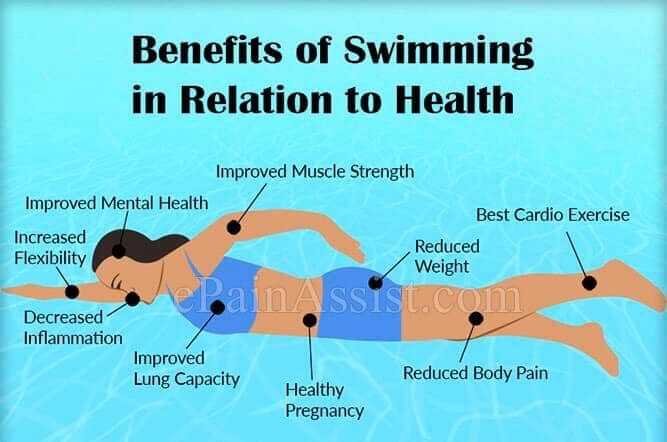
Swimming is both an excellent cardio workout and a great way to build strength. It offers a unique blend of aerobic and muscular benefits, making it a versatile exercise for overall fitness. Whether you’re looking to improve your heart health or tone your muscles, swimming has something for everyone.
In short, swimming primarily functions as a cardiovascular activity due to its aerobic nature, but it also provides strength benefits, especially for the upper body, core, and legs. The extent of each depends on how you swim and your training intensity.
Ever wondered whether swimming is more about endurance or muscle power? The truth is, it’s a perfect hybrid, engaging your heart and muscles simultaneously. This makes swimming a popular choice for those seeking a balanced workout that boosts stamina while strengthening the body.

Is Swimming Cardio or Strength?
Many people wonder whether swimming is primarily a cardio workout or if it also builds strength. The answer depends on how you swim and what your fitness goals are. Swimming offers a unique combination of benefits that can make it both an excellent cardiovascular exercise and a way to develop muscular strength.
Understanding Cardio and Strength Training
Before diving deeper, it’s helpful to understand what cardio and strength training mean. Cardio exercise raises your heart rate and helps improve your lung capacity and endurance. Strength training involves muscular effort that increases muscle size, power, and endurance.
How Swimming Serves as a Cardiovascular Workout
Swimming naturally elevates your heart rate, especially when done at a brisk pace or for longer periods. When you swim continuously, your body works hard to supply oxygen to your muscles, making it an effective form of aerobic exercise.
Key Cardiovascular Benefits of Swimming
- Enhances heart health by strengthening the heart muscle
- Improves lung capacity and breathing efficiency
- Boosts stamina and endurance over time
- Burns calories effectively, aiding weight management
Studies show that swimming can burn between 400 to 700 calories per hour, depending on your weight and intensity. This calorie burn contributes significantly to cardiovascular health and weight control.
Swimming as a Strength Builder
Although often considered a cardio activity, swimming also builds muscular strength. Resistance from water provides consistent effort against muscles, helping increase muscle tone and endurance.
How Swimming Builds Muscles
- Water resistance acts as natural resistance training
- Different strokes target various muscle groups
- Regular swimming leads to increased muscle endurance and size
For example, freestyle emphasizes shoulder and arm muscles, while breaststroke targets chest and leg muscles. Over time, these repeated movements promote muscle development.
Comparing Swimming to Other Exercise Types
When comparing swimming with activities like running or weightlifting, it’s clear that each offers distinct benefits. Swimming combines cardiovascular fitness with muscular development, making it a balanced workout.
Advantages of Swimming as Both Cardio and Strength
- Low-impact exercise suitable for all ages and fitness levels
- Reduces joint stress compared to high-impact workouts
- Provides full-body engagement, targeting multiple muscle groups
- Enhances flexibility due to range of motion in strokes
Determining Your Focus with Swimming
If your goal is weight loss and heart health, focusing on longer, steady swims can maximize cardio benefits. For muscle growth, incorporating specific strength exercises alongside swimming can be more effective.
Designing a Balanced Swimming Workout
- Start with warm-up laps to prepare muscles and increase circulation
- Alternate between high-intensity sprints and moderate-paced swimming to boost cardiovascular fitness
- Include strength-focused sets, such as resistance swimming or using tools like kickboards and hand paddles
- Finish with cool-down laps to prevent injury and promote recovery
Incorporating Strength Training into Swimming Routine
For those aiming to maximize muscular strength, supplement swimming with land-based strength exercises. Focus on core, upper, and lower body workouts to complement swimming efforts.
Effective Strength Exercises for Swimmers
- Push-ups and pull-ups for upper body strength
- Squats and lunges for leg power
- Planks and sit-ups for core stability
- Weightlifting exercises targeting specific muscle groups
Combining these with swimming helps develop overall muscular balance and improve swimming performance.
Factors Influencing Whether Swimming Is More Cardio or Strength
Several factors determine whether swimming feels more like a cardio session or a strength workout. These include swim intensity, duration, technique, and the use of resistance tools.
Intensity and Duration
Long, steady swims tend to focus on endurance and cardiovascular health, while shorter, more aggressive sessions work muscles intensely. High-intensity interval training in water can push both cardio and strength boundaries.
Technique and Strokes
Different strokes emphasize different muscle groups and energy systems. For example, butterfly is highly demanding on muscles and cardio, while backstroke may feel lighter on the muscles but still effective cardio-wise.
Use of Resistance Tools
- Kickboards, paddles, and resistance bands add extra load, increasing muscle engagement
- Using fins can enhance leg strength and propulsion
Safety Tips for Combining Cardio and Strength in Swimming
To prevent injury and maximize benefits, focus on proper technique, gradual intensity increase, and adequate rest. Overtraining can lead to fatigue or muscle strain.
Best Practices
- Stay hydrated and nourish your body with proper nutrition
- Include warm-up and cool-down routines in every session
- Vary your workouts to prevent plateauing and overuse injuries
- Listen to your body and avoid pushing through pain
The Bottom Line: Is Swimming Both Cardio and Strength?
Absolutely. Swimming offers a well-rounded workout that improves your cardiovascular health while building muscular strength. The key lies in how you swim and what equipment or techniques you incorporate into your routine.
By understanding your fitness goals and adjusting your swimming sessions accordingly, you can enjoy the benefits of both cardio and strength training through this versatile aquatic exercise. Whether you’re swimming laps for endurance or adding resistance tools for muscle building, water-based workouts can be tailored to suit your needs perfectly.
Is Swimming A Good Form Of Cardio?
Frequently Asked Questions
How does swimming improve cardiovascular health?
Swimming involves continuous movement that increases your heart rate, which helps strengthen your heart and lungs over time. As you swim laps or perform aerobic exercises in the water, your body works harder to supply oxygen, leading to better endurance and overall cardiovascular health.
Can swimming build muscle strength effectively?
Yes, swimming targets multiple muscle groups, especially in the arms, shoulders, back, and legs. The resistance of water provides a natural form of strength training, helping you develop muscle tone and power with regular practice.
What are the benefits of combining strength and cardio training in swimming?
Engaging in swimming allows you to enjoy both aerobic and anaerobic benefits simultaneously. While the steady, continuous movement enhances cardiovascular fitness, the exertion involved in strokes and sprints helps build muscle strength, making it a comprehensive workout.
Is swimming suitable for people with joint issues who want to build strength?
Absolutely. Water’s buoyancy reduces the impact on joints, making swimming a gentle yet effective way to strengthen muscles without stressing your joints. This makes it an excellent choice for those recovering from injuries or dealing with joint pain.
How does swimming intensity affect whether it acts more as cardio or strength training?
Lower-intensity swimming primarily boosts your cardiovascular system by increasing heart rate over a sustained period. Increasing the intensity with sprints, fast strokes, or resistance exercises shifts the focus toward building muscle strength, providing a balanced approach depending on your workout goals.
Final Thoughts
Swimming offers both cardio and strength benefits, making it a versatile workout. It improves cardiovascular health through continuous movement and enhances muscle strength with resistance from water.
Whether you focus on endurance or resistance training, swimming can serve multiple fitness goals simultaneously. This dual nature makes it ideal for those seeking an efficient overall workout.
is swimming cardio or strength? It combines both, providing a comprehensive exercise that benefits heart health and builds muscle.
As an Amazon Associate, We earn from qualifying purchases. When you purchase a product through Amazon links on pulsefitguide.com, we may earn a small commission at no extra cost to you. This helps support the site and keep our content free.
