


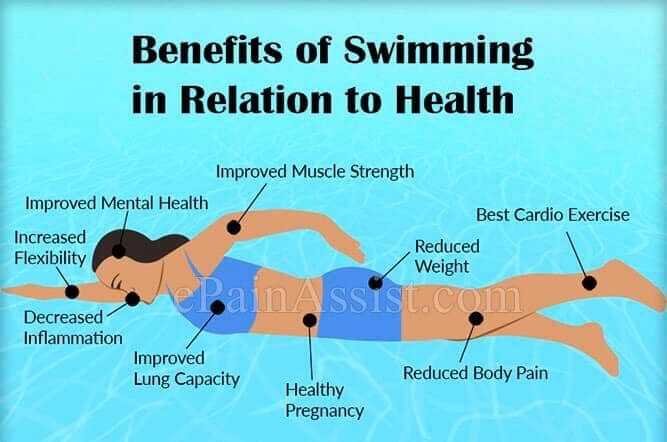
Yes, swimming is excellent for cardio health. It provides a full-body workout that boosts heart and lung capacity while being gentle on the joints. Regular swimming can significantly improve cardiovascular endurance, making it a fantastic option for those looking to stay fit and healthy.
Swimming is one of the most enjoyable and effective ways to improve your cardiovascular health. It combines the benefits of aerobic exercise with low-impact movements, making it suitable for people of all ages and fitness levels. Whether you’re swimming laps at the pool or taking a relaxed dip in the ocean, this activity keeps your heart pumping and your lungs working efficiently. Unlike running or high-impact exercises, swimming places less stress on your joints, reducing injury risk and allowing you to exercise longer and more consistently. If you’re seeking a fun, effective, and joint-friendly way to boost your cardio fitness, swimming might just be your perfect workout.

Is Swimming Good for Cardio?
Swimming is often seen as a fun and relaxing activity, but it is also a powerful form of exercise for your heart and lungs. Many people ask, “Is swimming good for cardio?” The answer is a definite yes, and here’s why.
Understanding Cardiovascular Fitness and How Swimming Contributes
Cardio, short for cardiovascular exercise, involves activities that get your heart beating faster. These exercises strengthen your heart muscle and improve blood circulation. Swimming increases your heart rate in a gentle and controlled way, making it excellent for your cardiovascular health.
When you swim, your body needs more oxygen to support your muscles. This causes your heart to pump more blood, which helps improve your overall heart efficiency. The more regularly you swim, the more your heart and lungs will adapt and become stronger.
How Swimming Engages Your Heart and Lungs
Unlike many activities, swimming provides a full-body workout that involves almost all major muscle groups. This intense activity requires your heart and lungs to work harder, boosting your aerobic capacity.
During swimming, your breathing rate increases to meet the oxygen demands of your working muscles. Over time, this improves your lung capacity and makes breathing easier during everyday activities.
Comparing Swimming to Other Cardio Exercises
| Activity | Impact on Heart Rate | Joint Stress | Suitability for Different Fitness Levels |
|---|---|---|---|
| Swimming | High, especially with vigorous strokes | Low, ideal for those with joint problems | Suitable for all ages and fitness levels |
| Running | High, sustained pace increases heart rate | High, can cause joint strain | Good for healthy joints, challenging for beginners |
| Cycling | Moderate to high, depending on intensity | Low, easier on joints | Great for endurance building |
As you see, swimming stands out for being gentle on joints while still providing excellent cardio benefits. It is an appropriate choice for people of different ages and fitness levels, especially those with joint issues or arthritis.
Benefits of Swimming for Heart Health
- Reduces the risk of heart disease by improving blood circulation and lowering blood pressure.
- Helps maintain healthy weight, reducing strain on your heart and arteries.
- Enhances overall heart function by increasing heart efficiency through regular aerobic activity.
How Often Should You Swim for Cardio Benefits?
For optimal heart health, aim to swim at least three to four times a week for about 30 to 45 minutes each session. Consistency is key to seeing improvements in cardiovascular endurance.
Intensity matters too. Incorporate different strokes and increase your pace gradually to challenge your heart and lungs further. Remember, always listen to your body and consult a doctor if you are new to exercise or have existing health concerns.
Best Swimming Techniques for Improving Cardio
Freestyle (Front Crawl)
This is the fastest and most efficient stroke for cardiovascular workouts. It utilizes multiple muscle groups and maintains a steady heart rate.
Butterfly
While demanding, butterfly can give a vigorous cardio workout if performed with proper form and within your fitness level.
Backstroke
This stroke offers a less intense but still effective cardio workout, suitable for beginners or as active recovery.
Breaststroke
Good for building stamina gradually, especially for those new to swimming or with joint concerns.
Additional Tips to Maximize Cardio Benefits from Swimming
- Incorporate interval training: alternate between high-intensity sprints and slower recovery swims to boost cardiovascular gains.
- Use swimming aids: fins or paddles can increase resistance, making your workout more effective.
- Track your progress: keep time or distance records to motivate yourself and monitor improvements.
Potential Challenges and How to Overcome Them
Some may find swimming challenging initially, especially if they are not used to the water or have limited experience. Start slowly with shorter sessions and gradually increase duration and intensity.
If you experience discomfort or fatigue, take breaks and consult a swimming coach or trainer. Remember, consistency will help your body adapt and improve over time.
Related Topics to Explore
- Water aerobics: Low-impact alternative that also boosts cardiovascular health.
- Swimming for weight loss: Burn calories effectively through regular swimming routines.
- Swimming safety tips: Essential guidelines to prevent injuries and ensure a safe workout.
- Best swimming gear for cardio workouts: Goggles, swimsuits, and resistance accessories.
In summary, swimming is not only enjoyable but also highly effective as a cardiovascular workout. Its low-impact nature makes it suitable for many people, including those with joint problems or just starting their fitness journey. Regular swimming sessions can significantly improve your heart and lung health, making it a smart addition to your fitness routine.
Why Swimming is the Best Cardio
Frequently Asked Questions
How does swimming effectively improve cardiovascular health?
Swimming engages multiple large muscle groups, which helps increase your heart rate and promotes better circulation. Regular swimming sessions strengthen your heart muscle, making it more efficient at pumping blood throughout your body. Additionally, the continuous activity improves your overall cardiovascular endurance, allowing you to perform daily activities with less fatigue.
What are the benefits of swimming compared to other cardio exercises?
Swimming is a low-impact activity that reduces stress on joints and minimizes injury risk, making it accessible to a wider range of people. It provides a full-body workout, engaging both upper and lower muscles, which can lead to a more balanced cardiovascular benefit. Moreover, the water’s resistance challenges your heart and lungs, encouraging significant improvements in cardiovascular fitness.
Can swimming help individuals with cardiovascular conditions safely improve their health?
Yes, swimming can be a safe way for individuals with certain heart conditions to improve their cardiovascular health when performed under medical supervision. The gentle, rhythmic nature of swimming helps enhance circulation and stamina without putting excessive strain on the body. Always consult a healthcare provider before starting any new exercise routine, especially if you have existing health concerns.
Final Thoughts
Swimming is an excellent cardiovascular workout that engages the entire body. It boosts endurance, improves heart health, and burns calories effectively.
Many people prefer it because it is gentle on joints while still providing a rigorous exercise.
In conclusion, is swimming good for cardio? Yes, it offers a full-body workout that enhances cardiovascular health and stamina.
As an Amazon Associate, We earn from qualifying purchases. When you purchase a product through Amazon links on pulsefitguide.com, we may earn a small commission at no extra cost to you. This helps support the site and keep our content free.
