


Absolutely, engaging in cardio workouts can be a game-changer for your health! Whether you’re aiming to lose weight, boost stamina, or just feel more energetic, cardio might be the answer. The key is understanding how it fits into your personal fitness goals and lifestyle. If you’re wondering whether you should add cardio to your routine, the short answer is: generally, yes—it’s beneficial for most people, but it depends on your specific needs. Cardio excites your heart, burns calories, and improves overall wellbeing, making it a valuable component of a balanced fitness plan. However, the frequency and intensity should be tailored to your individual health status and goals. Keep reading to discover how to decide if cardio is right for you and how to incorporate it effectively into your routine.

Should I Do Cardio? Understanding Cardio Exercise and Its Benefits
What Is Cardio Exercise?
Cardio exercise, short for cardiovascular exercise, includes any activity that increases your heart rate and gets your blood pumping. Examples include walking, running, cycling, swimming, and jumping rope. It’s a key part of many fitness routines because it improves heart health and overall endurance.
Why Is Cardio Important for Your Body?
Doing cardio regularly can help reduce the risk of heart disease, lower blood pressure, and improve lung function. It boosts your energy levels and helps you stay active throughout the day. Cardio exercises also burn calories, which can help you maintain or lose weight.
How Cardio Affects Your Heart and Lungs
When you do cardio, your heart pumps blood faster to deliver oxygen and nutrients to your muscles. Your lungs work harder to intake oxygen and expel carbon dioxide. Over time, this strengthens your heart and improves breathing efficiency.
Types of Cardio Exercises
There are many ways to do cardio, and choosing the right one depends on your fitness level and preferences. Common types include:
- Walking and Jogging
- Running
- Cycling
- Swimming
- Jump Rope
- Aerobic Classes
- Rowing
Each type offers unique benefits and challenges.
How Often Should You Do Cardio?
Experts recommend adults aim for at least 150 minutes of moderate-intensity cardio each week. That’s about 30 minutes, five days a week. If you prefer high-intensity workouts, about 75 minutes per week can also be effective.
Benefits of Regular Cardio Exercise
Engaging in regular cardio can:
- Improve heart health and circulation
- Help control weight
- Reduce stress and anxiety
- Enhance mood through the release of endorphins
- Increase stamina and energy levels
These benefits make cardio a vital part of a balanced fitness plan.
Should You Do Cardio If You Are Trying to Build Muscle?
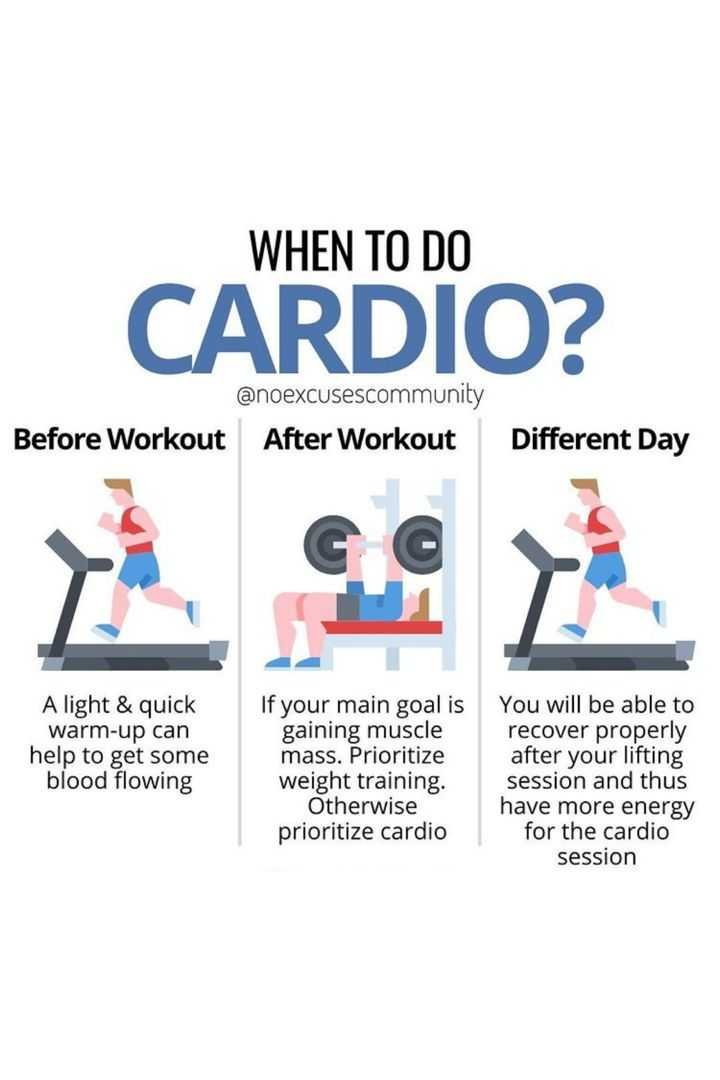
Many wonder if cardio can interfere with muscle building. Light to moderate cardio, when done properly, does not hinder muscle growth. Instead, it complements strength training by improving recovery and cardiovascular health.
Balancing Cardio and Strength Training
If your goal is to build muscle, consider doing cardio on separate days or after strength workouts. Limit intense cardio sessions to avoid excessive calorie burning that could impede muscle gains.
Is Cardio Necessary for Weight Loss?
While cardio helps burn calories, it’s only one part of weight loss. Combining cardio with healthy eating and strength training provides better results. Remember, weight loss depends on creating a calorie deficit, meaning you burn more than you consume.
What Are the Risks of Doing Too Much Cardio?
Overdoing cardio can lead to fatigue, injury, and even decreased immune function. It might also cause muscle loss if you don’t eat enough protein or include strength training. Listen to your body and allow time for rest.
Who Should Avoid or Limit Cardio?
People with certain health conditions, such as heart problems or joint issues, should consult a doctor before starting a new cardio routine. Pregnant women and older adults should also seek medical advice to customize their exercise plans.
Can You Do Cardio Without Equipment?
Absolutely! Many effective cardio exercises require no equipment. Examples include brisk walking, running in place, jumping jacks, mountain climbers, or dancing around your house. These can be done anywhere and are great options for busy schedules.
Combining Cardio with Other Fitness Types
To get a well-rounded fitness routine, consider combining cardio with strength training, flexibility exercises, and balance workouts. This approach helps prevent injuries and improves overall health.
Tips to Make Cardio More Enjoyable
– Listen to music or podcasts to stay motivated.
– Vary your workouts to avoid boredom.
– Set small, achievable goals.
– Find a workout buddy to stay accountable.
– Track your progress to see improvements over time.
Deciding whether to do cardio depends on your personal goals and current health. Incorporating regular cardio exercises can boost heart health, burn calories, and improve mood. Always listen to your body and choose activities that you enjoy to make cardio a sustainable part of your lifestyle. Remember, a balanced routine that includes different types of exercise often yields the best results for overall wellness.
How To Do Cardio (Without Losing Muscle)
Frequently Asked Questions
How can I determine if cardio is suitable for my fitness goals?
Assess your specific objectives, such as losing weight, improving endurance, or boosting cardiovascular health. If these align with your goals, incorporating cardio can be beneficial. Consider consulting with a fitness professional to create a tailored plan that complements your overall workout routine.
What are some signs that I should include more cardio in my workouts?
You should consider adding more cardio if you experience difficulty with stamina during other exercises, notice increased fatigue, or if you aim to improve heart health. Additionally, if you want to accelerate calorie burning or enhance your overall energy levels, incorporating cardio can help you reach these targets.
Are there specific types of cardio that suit beginners or those with certain health conditions?
Yes, low-impact activities like walking, swimming, or cycling often suit beginners or individuals with joint concerns. These exercises provide cardiovascular benefits without excessive strain. Always consult a healthcare provider before starting a new workout, especially if you have existing health issues.
Final Thoughts
Certainly! Please provide the original blog article in English so I can craft the concise conclusion for you.
As an Amazon Associate, We earn from qualifying purchases. When you purchase a product through Amazon links on pulsefitguide.com, we may earn a small commission at no extra cost to you. This helps support the site and keep our content free.
