


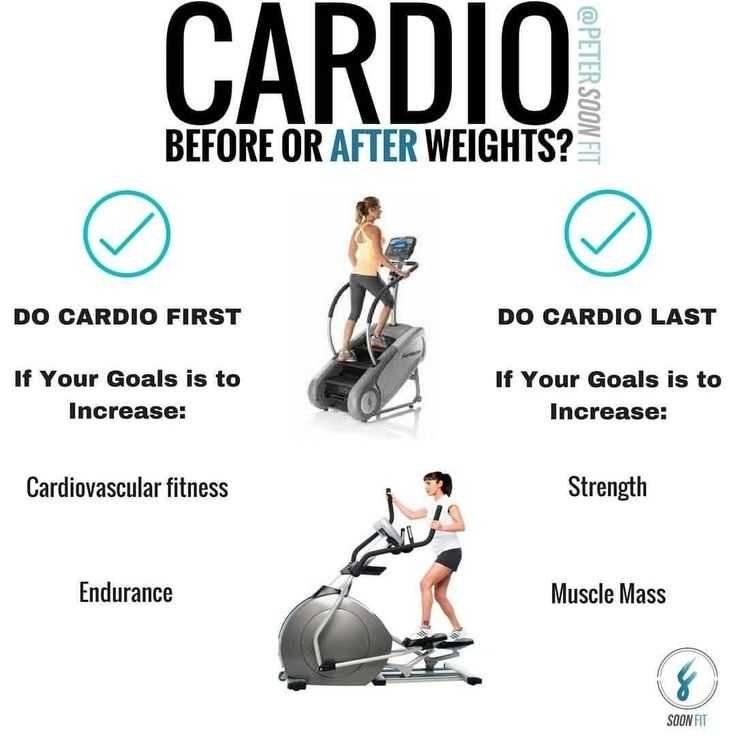
Absolutely, doing cardio after lifting can be a great addition to your workout routine, but it depends on your fitness goals. If you’re aiming for muscle building, you might want to prioritize lifting first, but if fat loss or cardiovascular health is your goal, adding cardio afterward can be beneficial. The key is balancing both to prevent fatigue and maximize results.
In short, whether to do cardio after lifting depends on your objectives. Cardio post-lift can help burn extra calories and improve heart health, but it might also impact your strength training if not timed properly. Tailoring your workout based on your goals and energy levels can lead to better overall results and prevent burnout.
Jumping into a workout routine, many people wonder whether doing cardio after lifting weights is a good idea. If you’ve ever hesitated, thinking it might interfere with your strength gains or tire you out, you’re not alone. Combining these two components can be tricky—do you lose gains or boost your endurance? The answer varies based on your personal goals, but understanding how to structure your workout can help you get the best of both worlds. Whether you’re looking to shed body fat, improve your fitness, or build muscle, knowing when and how to incorporate cardio ensures you’re making the most of your time in the gym without compromising your progress.

Should I Do Cardio After Lifting? A Complete Guide
Understanding the Basics of Cardio and Strength Training
Cardio exercises involve activities that increase your heart rate, such as running, cycling, or swimming. They help improve your cardiovascular health and burn calories. Strength training focuses on building muscle mass through lifting weights or resistance exercises.
Both types of workouts provide benefits, but they serve different purposes. Combining them can be effective if done correctly, but timing and intensity matter. Knowing when and how to incorporate cardio after lifting can help you reach your fitness goals.
Why Do People Consider Doing Cardio After Lifting?
Many individuals add cardio after lifting to maximize fat burning and improve endurance. It is believed to enhance calorie expenditure since you have already used energy during lifting. Others do it to promote faster recovery or to improve overall cardiovascular health.
Some people prefer doing cardio afterward because it helps them cool down and stretch their muscles. However, the decision depends on your specific goals, like building muscle, losing weight, or increasing stamina.
How Doing Cardio After Lifting Can Impact Your Muscle Gains
Potential Benefits
- Cardio after lifting can help burn additional calories, aiding weight loss.
- Performed at moderate intensity, it may not interfere much with muscle recovery.
Risks for Muscle Growth
- Intense cardio right after lifting might cause muscle fatigue, impacting recovery.
- It can deplete glycogen stores, which are essential for muscle growth and energy.
To balance these effects, consider low to moderate-intensity cardio if your goal is muscle gain. Save high-intensity sessions for separate days or earlier in the workout.
Timing Is Everything: When Should You Do Cardio?
Doing Cardio Before Lifting
Performing cardio before lifting can warm up your body, improve blood flow, and prep muscles. However, it might tire you out, reducing strength and performance during lifting sessions. For strength gains, keep cardio light or do it after lifting.
Doing Cardio After Lifting
This is common for those aiming to burn more calories or improve endurance. It helps you focus on lifting with fresh energy and then use cardio as a finisher. Just ensure you don’t overdo it to avoid muscle fatigue.
Separate Days for Cardio and Lifting
Scheduling cardio and lifting on different days allows your body to recover and maximize both workouts. This is especially useful if you aim to build muscle while also improving stamina.
Choosing the Right Type of Cardio After Lifting
Low-Intensity Steady-State Cardio
Activities like walking or slow cycling are gentle and don’t compromise muscle growth. They help burn calories and aid recovery without excessive fatigue.
High-Intensity Interval Training (HIIT)
While effective for fat loss, HIIT can be taxing if done immediately after lifting. Limit these sessions or do them on separate days for better results.
Swimming or Elliptical
These are gentler on joints and muscles, making them suitable options for post-lifting cardio. They provide good cardiovascular benefits without overexerting already tired muscles.
How to Incorporate Cardio Safely After Lifting
- Start with a light warm-up to prepare your muscles for activity.
- Keep the intensity moderate; avoid pushing too hard immediately after lifting.
- Limit cardio duration to 15-30 minutes for effective fat burn without overtraining.
- Stay hydrated and ensure proper nutrition to aid recovery.
Listening to your body is essential. If you feel excessive fatigue or pain, it’s best to rest or choose a different workout session.
Myth Busting: Common Misconceptions About Doing Cardio After Lifting
Myth 1: Cardio After Lifting Will Destroy Muscle Gains
This isn’t true if you keep cardio moderate and avoid overtraining. Proper nutrition and rest are crucial.
Myth 2: You Must Do Cardio After Lifting Every Time
Not necessary. Your workout plan should be tailored to your goals. Sometimes, doing cardio on separate days works best.
Myth 3: Doing Cardio First Is Always Better
It depends on your goals. For endurance, cardio first could be beneficial; for muscle building, after lifting or on rest days may be better.
Related Topics to Consider
- How to Create an Effective Workout Routine Combining Cardio and Strength
- Best Nutrition Tips for Post-Workout Recovery
- Effects of Different Cardio Intensities on Muscle Growth
- Recovery Strategies After Lifting and Cardio
Understanding how to properly combine cardio and lifting can help you achieve your fitness goals efficiently. Tailor your workout schedule to what your body responds best to for optimal results.
How To Do Cardio (Without Losing Muscle)
Frequently Asked Questions
What are the benefits of doing cardio after lifting sessions?
Doing cardio after lifting can help increase overall calorie burn, which may aid in fat loss. It also promotes better cardiovascular health and enhances endurance, making you fitter overall. Additionally, performing cardio afterward can help cool down your muscles and reduce soreness, leading to quicker recovery.
How does doing cardio post-lift affect muscle recovery?
Engaging in light to moderate cardio after lifting can improve blood flow to your muscles, delivering essential nutrients and oxygen needed for recovery. However, doing intense cardio immediately after heavy lifting might lead to fatigue, which could impair muscle repair and growth. Balance your cardio intensity to support recovery without overtaxing your muscles.
Is it better to do cardio before or after lifting for optimal results?
Choosing whether to do cardio before or after lifting depends on your fitness goals. If your priority is building strength, save cardio for afterward to conserve energy. For endurance or fat loss, doing cardio first can warm up your body and increase calorie expenditure early. Consider your main focus and plan your workout accordingly.
Can doing cardio after lifting affect my strength training performance?
Performing cardio after lifting generally has minimal impact on your strength training if done at moderate intensity. However, if you do high-intensity cardio immediately after lifting, it could lead to muscle fatigue, reducing your ability to lift heavy or perform at your best during subsequent workouts. Adjust the intensity based on your goals.
How should I structure my workout if I want to incorporate both lifting and cardio?
For balanced training, start with your primary goal in mind. If building strength, focus on lifting first, then include light to moderate cardio afterward. If improving endurance or losing weight, consider doing cardio first or split your sessions into separate days. Allow adequate rest between sessions to maximize performance and recovery.
Final Thoughts
Choosing whether to do cardio after lifting depends on your goals. If you want endurance and fat loss, doing cardio post-lift can be effective. However, if strength building is your priority, consider focusing on lifting first.
Ultimately, listening to your body and adjusting your routine helps you stay consistent.
Should I do cardio after lifting? It varies based on your goals and energy levels, but both options can benefit your fitness journey.
As an Amazon Associate, We earn from qualifying purchases. When you purchase a product through Amazon links on pulsefitguide.com, we may earn a small commission at no extra cost to you. This helps support the site and keep our content free.
