


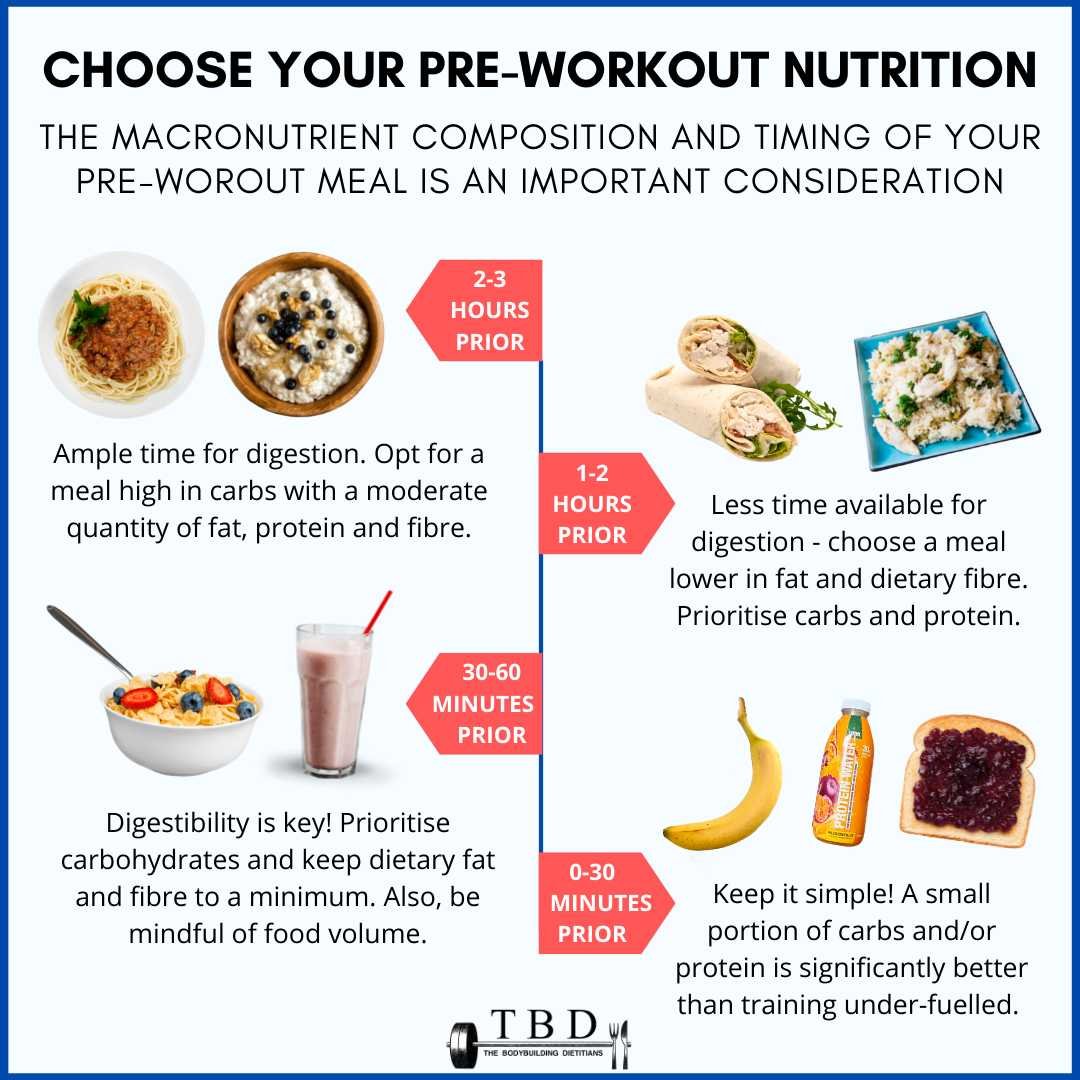
Yes, you should consider eating something before cardio if you want to boost your energy and perform better. However, the timing and type of food matter; a light snack is usually ideal. Eating too much can cause discomfort, while skipping food might leave you feeling drained.
Eating before cardio can help fuel your workout, especially if you haven’t eaten in a while. The key is to find the right balance—something light and easily digestible that provides quick energy without causing stomach issues. This decision depends on your individual needs, workout intensity, and how your body responds to food before exercise. In this article, we’ll explore the pros and cons of eating before cardio, what to eat, and when to do it, so you can optimize your workout results and stay energized throughout.

Should I Eat Before Cardio? A Complete Guide
Understanding the Importance of Nutrition Before Cardio
Eating before cardio can significantly impact your workout performance and overall results. Proper nutrition provides the energy your body needs to exercise effectively. Without the right fuel, you might feel sluggish or tire out quickly during your workout.
How Food Affects Your Energy Levels
Food influences your energy because it supplies glucose, the primary fuel for your muscles during exercise. Carbohydrates are especially important because they break down into quick energy. On the other hand, fats and proteins supply energy more slowly but are still vital for overall health.
Timing Your Meal Before Cardio
Timing is key when deciding whether to eat before a workout. Eating too close to your cardio can cause discomfort, while waiting too long might leave you with low energy. For most people, a meal or snack around 30 minutes to 2 hours before exercise works best.
Eating 30 Minutes Before Cardio
Light snacks are recommended if you plan to eat just before cardio. These snacks should be rich in simple carbohydrates and low in fat and fiber to avoid stomach issues. Examples include a banana or a small bowl of yogurt.
Eating 1 to 2 Hours Before Cardio
Having a larger meal buffer allows your body to digest food properly. Focus on balanced meals with carbs, some protein, and a small amount of healthy fats. Good options include oatmeal with fruit or a turkey sandwich on whole-grain bread.
What to Eat Before Cardio
Choosing the right foods is essential for optimal performance and comfort. Proper pre-workout nutrition can help you stay energized and avoid feeling tired or nauseous.
Carbohydrates Are the Best Fuel
Carbohydrates are quick to digest and provide immediate energy. Always include easily digestible carbs like fruits, white bread, or rice before cardio. These help maintain blood sugar levels during exercise.
Proteins for Muscle Support
Adding a small amount of protein can help protect your muscles, especially if you’re doing longer or intense sessions. Examples include a small handful of nuts or a boiled egg.
Healthy Fats and Their Role
While healthy fats are beneficial, they take longer to digest and may cause discomfort if eaten in large amounts before cardio. Keep fats minimal before exercise, focusing more on carbs and protein.
Foods to Avoid Before Cardio
Certain foods can cause gastrointestinal discomfort or interfere with your workout. It’s best to avoid high-fat, high-fiber, and spicy foods before exercising.
High-Fat Foods
Foods like fried items or heavy dairy can slow digestion and cause bloating. They might make you feel sluggish during cardio.
High-Fiber Foods
Vegetables, beans, and whole grains are healthy but can cause gas and cramps if eaten in excess before exercise. Save these for after your workout.
Spicy and Acidic Foods
Spicy foods can cause stomach upset or heartburn during your workout. Choose milder options to prevent discomfort.
Hydration and Its Significance
Staying well-hydrated is just as important as eating the right food. Drinking water before exercise helps prevent dehydration and keeps your energy levels steady.
How Much Water to Drink Before Cardio
Aim to drink at least 8 ounces of water 30 minutes before your workout. If you’re doing intense or long sessions, sip water throughout your workout.
Electrolyte Drinks
For extended cardio sessions, consider drinking beverages with electrolytes. These replenish minerals lost through sweat and help maintain optimal performance.
Adjusting Your Pre-Workout Nutrition Based on the Type of Cardio
Different types of cardio require different fueling strategies. Whether you’re doing low-impact walking or high-intensity interval training, your nutrition plan should match the intensity.
Light Steady-State Cardio
For gentle activities like walking or cycling, a small snack or a glass of juice might be enough. You won’t need a heavy meal, but staying hydrated is still important.
High-Intensity Interval Training or Running
For more intense workouts, prioritize carbs with some protein about 1 to 2 hours beforehand. This helps sustain energy and prevent fatigue.
Long-Duration Cardio
For sessions longer than an hour, consider consuming easily digestible carbs during your workout, such as sports drinks or energy gels, along with proper pre-meal fuel.
Signs You Might Need to Eat Before Cardio
Some people feel better with food before exercise, while others prefer to workout on an empty stomach. Listen to your body and adjust accordingly.
Feeling Weak or Dizzy
If you experience lightheadedness or weakness, a small snack might be necessary before your workout.
Persistent Hunger or Low Energy
Feeling hungry or drained may indicate you need to eat something beforehand to boost your energy levels.
Stomach Discomfort During Exercise
If you experience cramping or nausea, consider eating smaller portions or choosing different foods next time.
Balancing Pre-Workout Nutrition With Your Fitness Goals
Whether you’re aiming to lose weight, build muscle, or improve endurance, your pre-cardio nutrition will influence your results.
For Weight Loss
Eat light, focusing on small portions of carbs and protein. Avoid heavy or high-calorie foods before exercise.
For Muscle Gain
Include a bit more protein and carbs to support muscle repair and energy during cardio.
For Endurance Improvement
Focus on sustaining energy with complex carbs and hydration, especially for long sessions.
Consulting a Professional for Personalized Advice
Each person’s body responds differently to food and exercise. If unsure, talk to a nutritionist or trainer to develop a plan tailored to your needs.
Factors to Consider
Your age, weight, fitness level, and any health conditions can influence what you should eat before cardio.
Monitoring Your Response
Try different foods and timing to see what makes you feel best during exercise and adjust accordingly.
Summary of Key Points
- Eat a light snack or meal 30 minutes to 2 hours before cardio for optimal energy.
- Focus on easily digestible carbohydrates, with moderate protein.
- Avoid high-fat, high-fiber, and spicy foods before exercise to prevent discomfort.
- Stay hydrated by drinking water before and during your workout.
- Tailor your pre-cardio nutrition based on workout intensity and your fitness goals.
Deciding whether to eat before cardio depends on your individual needs and preferences. Experiment with different foods and timing to find what helps you perform your best. Proper nutrition can make your workouts more effective, enjoyable, and safe.
The Best Pre & Post-Workout Meals (According To Science)
Frequently Asked Questions
Should I eat a large meal before doing cardio workout?
Eating a large meal before cardio can cause discomfort, bloating, and sluggishness during exercise. A heavy meal diverts blood flow to the digestive system, making it harder to perform at your best. For optimal performance, opt for a small, easily digestible snack if you need fuel before your workout, and leave a gap of at least 1-2 hours after a substantial meal.
Is it better to exercise on an empty stomach or after eating?
It depends on your goals and comfort level. Exercising on an empty stomach, often called fasted cardio, can help burn fat more efficiently for some individuals. However, if you feel weak or dizzy, eating a small snack beforehand can provide the energy needed for a sustained workout. Listen to your body and choose what makes you feel energized and comfortable.
What types of foods are ideal to eat before cardio sessions?
Choose foods rich in simple carbohydrates and moderate in protein, such as a banana with a spoonful of peanut butter, a slice of toast with honey, or a small yogurt. These options digest quickly and provide quick energy without causing discomfort during your workout. Avoid high-fat or high-fiber foods that may slow digestion and cause gastrointestinal issues.
How long before cardio should I eat to maximize energy levels?
Consume a small meal or snack approximately 30 to 60 minutes before your workout. This timing allows your body to digest and absorb nutrients, providing sustained energy. If you prefer to eat closer to your workout, opt for lighter, easily digestible foods to prevent feeling sluggish or uncomfortable.
Can eating before cardio affect fat burning during exercise?
Eating a large or heavy meal before cardio may reduce the amount of fat your body burns, as your body prefers to utilize the readily available energy from the food instead of stored fat. If fat loss is your goal, exercising in a fasted state or after a light snack might be advantageous, but always prioritize how you feel during workouts and avoid compromising your energy levels.
Final Thoughts
Deciding whether to eat before cardio depends on your goals and comfort. If you perform early morning or high-intensity workouts, a small snack can boost energy. On the other hand, some prefer exercising on an empty stomach to avoid discomfort. Ultimately, listen to your body and experiment to find what works best.
In conclusion, should i eat before cardio? It varies for each person, but having a light snack may benefit endurance and motivation. Choose easily digestible foods and avoid overeating. Tailor your approach to your needs to optimize your workout experience.
As an Amazon Associate, We earn from qualifying purchases. When you purchase a product through Amazon links on pulsefitguide.com, we may earn a small commission at no extra cost to you. This helps support the site and keep our content free.
