


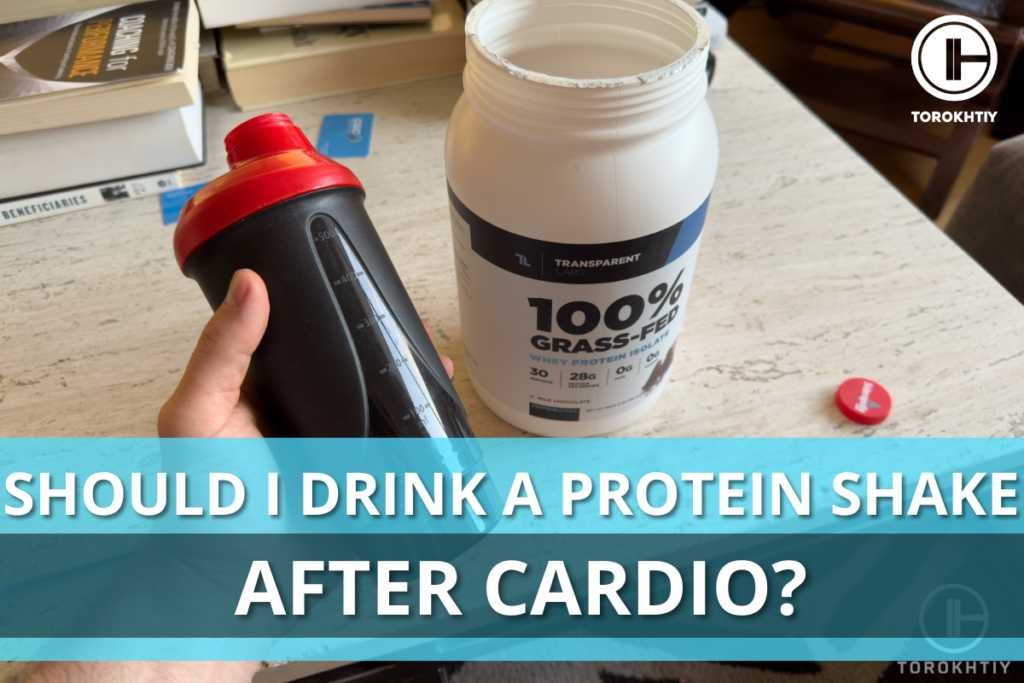
Absolutely, drinking protein after cardio can be beneficial, especially if your goal is muscle recovery and growth. For most people engaging in moderate to intense cardio, adding some protein post-workout helps repair muscles and replenishes energy stores. However, it’s not always necessary if your workout was light or short. The key is understanding your fitness goals and workout intensity to determine if a protein shake will maximize your results.
Consuming protein after cardio can aid in recovery and muscle preservation, but it’s not mandatory for everyone. Whether you should drink it depends on your workout duration, intensity, and your overall diet plan. Keep reading to find out how to optimize your post-cardio nutrition for maximum benefits.
Getting the right nutrition after a cardio session can make all the difference in your fitness journey. If you’ve ever wondered whether grabbing a protein shake is worth it after running, cycling, or a quick workout, you’re not alone. Many people are unsure if they need extra protein or if their regular diet suffices. The truth is, incorporating protein after cardio can support muscle recovery and help you achieve your fitness goals faster, especially if your workout was intense. But it’s also important to balance your intake and know when it’s truly necessary. Let’s explore the reasons behind consuming protein after cardio and how to do it effectively.

Should You Drink Protein After Cardio? A Complete Guide
Understanding the Role of Protein After Exercise
After doing cardio, your body needs to recover properly to stay healthy and strong. Protein helps repair muscles that may have been slightly damaged during exercise. Even though cardio mainly burns calories and improves heart health, it still affects your muscles and energy systems.
Consuming protein after cardio can support muscle recovery and prevent muscle loss. It also provides the building blocks needed for new muscle growth. This makes it an important part of your post-workout routine, especially if you want to improve endurance or build muscle.
How Cardio Affects Your Muscles and Energy
During cardio workouts, your body primarily uses carbohydrates and fat for energy. However, your muscles still get a workout, especially in long sessions or high-intensity exercises. Tiny muscle fibers can experience stress, leading to microscopic damage.
This damage signals your body to repair and strengthen muscles. Protein supplies amino acids, which are the foundation for muscle repair and growth. Without enough protein, your muscles may take longer to recover and could weaken over time.
Timing of Protein Intake
Many experts suggest the “anabolic window,” which is the period immediately after exercise when your body absorbs nutrients best. For cardio, this window lasts about 30 minutes to two hours post-workout.
Taking protein during this time can accelerate muscle repair, reduce soreness, and improve recovery. However, the overall daily intake of protein is more important than the exact timing. Regularly consuming enough protein throughout the day supports ongoing recovery.
How Much Protein Do You Need After Cardio?
The amount of protein depends on your age, weight, activity level, and fitness goals. For most people engaging in moderate cardio, a small amount of protein about 10 to 20 grams is sufficient for recovery.
For those doing intense or long-duration cardio, or combining cardio with strength training, aim for approximately 20 to 30 grams of protein after exercise. This helps ensure your muscles get enough amino acids to rebuild and grow efficiently.
Protein Requirements Table
| Type of Activity | Protein Needed After Workout |
|---|---|
| Light cardio (walking, light jogging) | 10-15 grams |
| Moderate cardio (running, cycling for 30-60 minutes) | 15-20 grams |
| Intense cardio or combined cardio and strength training | 20-30 grams |
Sources of Protein for Post-Cardio Recovery
You can get protein from various foods and supplements. Choosing high-quality protein sources ensures your body absorbs amino acids effectively.
- Animal-based sources: Chicken, turkey, fish, eggs, dairy products like yogurt and milk.
- Plant-based sources: Beans, lentils, tofu, tempeh, quinoa, nuts, and seeds.
- Supplement options: Protein powders such as whey, casein, or plant-based blends.
Incorporating a mix of these sources into your diet can help meet your post cardio protein needs.
Benefits of Drinking Protein Shakes Post-Cardio
Protein shakes are a popular choice because they offer quick absorption and convenience. They are especially useful if you don’t feel like eating solid food immediately after exercise.
Benefits include:
- Fast delivery of amino acids to muscles
- Easy to prepare and consume on the go
- Can be combined with other nutrients like carbs for optimal recovery
Make sure to choose a shake with at least 15 grams of protein and avoid added sugars for the best results.
Do You Need Protein If You Do Light Cardio?
For light cardio sessions like walking or gentle cycling, the need for additional protein is lower. Your body can often meet recovery needs with regular meals.
However, maintaining a balanced diet with enough daily protein supports overall health and muscle maintenance. If you’re not hungry immediately after light cardio, focus on your regular meals to meet your daily protein intake.
Potential Risks of Overdoing Protein Intake
While protein helps with recovery, too much can cause issues. Excessive intake might strain your kidneys or lead to digestive discomfort.
Stay within the recommended range based on your activity level. It’s best to get most of your protein from whole foods and use supplements as needed.
Additional Nutrients to Consider Post-Cardio
Besides protein, other nutrients support recovery and performance. Carbohydrates replenish glycogen stores used during exercise.
Fruits, vegetables, and whole grains provide essential vitamins, minerals, and antioxidants. These support immune health and reduce inflammation after intense workouts.
Sample Post-Workout Meal Ideas
- Grilled chicken with quinoa and steamed vegetables
- Yogurt with berries and granola
- Protein smoothie with banana, spinach, and almond milk
- Egg salad sandwich on whole-grain bread
These options combine carbs and protein to optimize recovery.
Summary: Should You Drink Protein After Cardio?
In short, consuming protein after cardio can aid muscle recovery, reduce soreness, and support your fitness goals. The amount and timing depend on workout intensity and your individual needs. Incorporate quality protein sources into your post-workout routine for better results. Remember, balanced nutrition and consistent habits are key to achieving your health and fitness objectives.
Should you have protein shakes before or after you exercise?
Frequently Asked Questions
Is it necessary to consume protein immediately after cardio sessions?
Consuming protein right after cardio isn’t strictly required, especially if your overall diet provides enough protein throughout the day. However, having a small protein-rich snack can aid in muscle repair and recovery, particularly if your cardio session was intense or long. The timing of protein intake is less critical than ensuring you meet your daily protein needs to support overall fitness goals.
Can drinking protein after cardio help reduce muscle soreness?
Drinking protein following a cardio workout can help minimize muscle soreness by promoting quicker muscle repair. Protein supplies essential amino acids needed to repair muscle tissue damaged during exercise. While it may not eliminate soreness entirely, regular post-workout protein intake can contribute to faster recovery times.
Should I choose a protein shake or a meal after cardio, and why?
Choosing between a protein shake and a meal depends on how soon you want to refuel and your personal preferences. A protein shake offers a quick and convenient source of amino acids, making it ideal if you’re pressed for time. On the other hand, a balanced meal with protein, carbs, and healthy fats provides sustained energy and nutrients for recovery. Both options work well, but prioritize what fits best into your routine and nutritional needs.
How does post-cardio protein intake influence athletic performance?
Consuming protein after cardio workouts can support consistent training by aiding muscle recovery and reducing fatigue. When your muscles repair and strengthen efficiently, you can perform better in subsequent sessions. Adequate protein intake also helps maintain muscle mass, which is crucial for endurance and overall athletic performance over time.
Are there specific types of protein that work better after cardio?
Whey protein stands out as an effective post-cardio option due to its rapid absorption, providing quick access to amino acids. Plant-based proteins like pea or rice protein also work well, especially for those with dietary restrictions. The key is choosing a protein source that you enjoy and that supplies ample amino acids to support recovery and muscle maintenance.
Final Thoughts
Drinking protein after cardio can support muscle recovery, especially if you have a workout focused on endurance or strength. It helps replenish amino acids and reduces muscle soreness.
However, it is not always necessary for everyone. If your cardio session was light or brief, a balanced meal may suffice.
In conclusion, should you drink protein after cardio? It depends on your goals and workout intensity. For optimal recovery and muscle maintenance, it can be beneficial.
As an Amazon Associate, We earn from qualifying purchases. When you purchase a product through Amazon links on pulsefitguide.com, we may earn a small commission at no extra cost to you. This helps support the site and keep our content free.
