


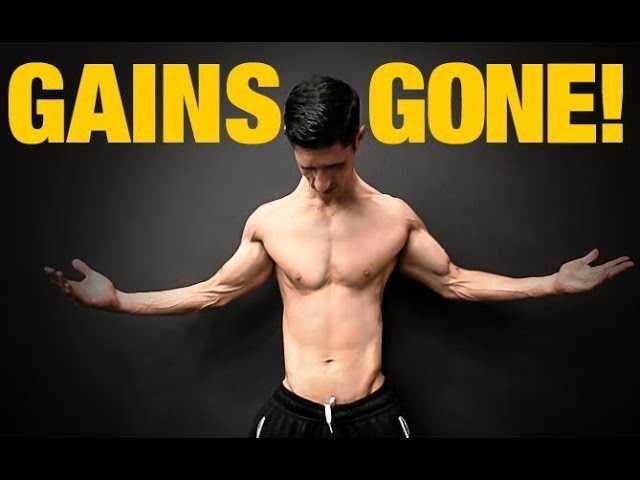
Cardio doesn’t have to sabotage your muscle gains; when done correctly, it can actually complement your strength goals. The key lies in balancing cardio with your weight training and knowing how to incorporate it effectively. In short, moderate cardio won’t kill your gains if you plan it wisely, and it can even boost your overall fitness and recovery.
If you’re worried that doing cardio might be ruining your muscle-building efforts, you’re not alone. Many lifters wonder if cardio sessions will cut into their gains or hinder muscle growth. The truth is, it depends on how you incorporate cardio into your routine. When done in moderation and at the right intensity, cardio can improve your cardiovascular health, increase stamina, and aid recovery, all while preserving your muscle mass. So, don’t ditch cardio entirely—just learn how to use it to support your training rather than compete with it.

Does Cardio Kill Your Gains? Understanding the Truth Behind Cardio and Muscle Growth
Introduction to Cardio and Muscle Gains
Many people wonder if doing cardio affects their muscle-building progress. Some believe that cardio can “kill” gains, while others see it as a helpful addition. To clear up this confusion, we need to understand how cardio impacts muscle growth and what factors are involved.
What Is Cardio and Why Do People Do It?
Cardio, short for cardiovascular exercise, includes activities like running, cycling, swimming, and brisk walking. People do cardio to improve heart health, burn calories, and lose weight. It’s an important part of a balanced fitness routine for many.
Muscle Gains and How They Happen
Muscle gains occur when muscles are challenged through resistance training. The muscles repair and grow stronger during rest periods after workouts. Proper nutrition and adequate sleep also play crucial roles in maximizing gains.
The Debate: Does Cardio Interfere with Muscle Growth?
People often ask if cardio can slow down or prevent muscle gains. The concern is that excessive cardio burns calories and muscle glycogen, possibly hindering muscle recovery and growth. But the answer isn’t simple—it depends on how much and what type of cardio you do.
How Cardio Affects Your Body’s Energy Systems
Glycogen is essential for energy during resistance workouts. When glycogen stores are low, muscles may fatigue faster, making it harder to lift heavy weights or perform at your best in subsequent sessions. This might slow down muscle gains if not managed properly. Achieving the right balance between cardio and lifting is key. Incorporate cardio sessions that complement your resistance training without overtaxing your energy reserves or causing fatigue. – Light to moderate cardio done 3 to 4 times a week can be compatible with muscle growth. – Do cardio on separate days from strength training when possible. Different types of cardio impact your body differently. This involves continuous, moderate effort – like jogging for 30 minutes. It’s easier on recovery and less likely to interfere with gains if kept at moderate duration and intensity. HIIT alternates between intense effort and rest. While effective for burning fat, too much HIIT can cause fatigue and muscle breakdown if not done carefully. Activities like swimming or cycling are gentler on joints and muscles. They provide cardiovascular benefits without draining glycogen stores too aggressively. Proper nutrition can help you do cardio without sacrificing muscle growth. Adequate protein supports muscle repair. Aim for 1.2 to 2 grams per kilogram of body weight daily. Carbohydrates replenish glycogen stores. Consume complex carbs like oats, rice, and vegetables before and after workouts for energy and recovery. Eating carbs and protein before cardio can provide energy, while post-workout meals aid in recovery and muscle synthesis. – Prioritize rest and sleep to allow muscles to recover. Pay attention to signs of overtraining, such as fatigue, soreness, or decreased performance, and adjust your cardio accordingly. Clarify whether your main goal is muscle gain, fat loss, or endurance. This will guide how much cardio you incorporate. In summary, cardio does not necessarily “kill” your gains if done thoughtfully. The key is moderation, proper timing, and adequate nutrition. Choose the right type and intensity of cardio, and listen to your body to ensure it complements your muscle-building goals. Maintaining a balanced approach to cardio and resistance training supports overall health and muscle growth. With proper planning, cardio can be a valuable tool rather than a hindrance in your fitness journey. Engaging in cardio too frequently or at very high intensities can lead to muscle fatigue and hinder recovery. To prevent this, incorporate moderate cardio sessions and ensure you have adequate rest and nutrition. Balancing cardio with strength training allows your muscles to recover effectively and promotes muscle growth rather than impeding it. Yes, the timing of cardio can influence muscle development. Performing high-intensity cardio immediately before lifting weights may drain your energy and reduce workout performance. It’s often better to schedule cardio sessions separately from weightlifting or do low-intensity cardio after strength training to minimize any negative effects on muscle gains. Cardio burns calories that could otherwise contribute to maintaining a calorie surplus, essential for muscle growth. If you do a lot of cardio without adjusting your diet, you might struggle to reach your calorie goals. To support muscle gains, increase your food intake accordingly when incorporating regular cardio workouts. Excessive cardio can interfere with hypertrophy because it may lead to muscle breakdown or inhibit the recovery process. To maximize muscle size, focus on moderate cardio combined with a proper strength training plan. Balancing both allows you to improve cardiovascular fitness without sacrificing muscle growth. Low-impact, steady-state cardio like walking or cycling at a moderate pace tends to have minimal effects on muscle gains. These forms of cardio allow you to improve cardiovascular health without exerting too much stress on your muscles. Incorporating them into your routine can help maintain both endurance and muscle mass effectively. In conclusion, the concern that cardio kills your gains is often overstated. Properly timed cardio can enhance recovery, improve cardiovascular health, and boost overall performance. While excessive cardio might hinder muscle growth, incorporating it strategically won’t sabotage your progress. Balance and moderation are key. Ultimately, understanding how to integrate cardio into your routine ensures you gain strength without sacrificing endurance. Does cardio kill your gains? Not if you plan it wisely. As an Amazon Associate, We earn from qualifying purchases. When you purchase a product through Amazon links on pulsefitguide.com, we may earn a small commission at no extra cost to you. This helps support the site and keep our content free. Glycogen Depletion and Muscle Recovery
Balancing Cardio and Resistance Training
Frequency and Intensity of Cardio
– Intense or prolonged cardio sessions may interfere with gains if not balanced with proper nutrition and rest.
– Stratify your cardio based on your goals—more cardio for endurance, less for pure muscle gain.Timing of Cardio and Resistance Workouts
– If doing both on the same day, perform resistance training first when energy levels are highest.
– Ensure enough rest between sessions to promote muscle recovery.Duration and Type of Cardio Matter
Steady-State Cardio
High-Intensity Interval Training (HIIT)
Low-Impact Cardio Options
Nutrition Tips to Support Gains While Doing Cardio
Focus on Protein Intake
Carbohydrate Management
Timing Your Meals
Additional Tips to Maximize Gains
– Avoid doing excessive cardio immediately after resistance training.
– Incorporate rest days into your routine to prevent overtraining.Listening to Your Body
Setting Goals for Your Fitness Journey
Related Topics to Consider
Summary
Frequently Asked Questions
Can doing cardio interfere with muscle recovery?
Does the timing of cardio sessions impact muscle gains?
How does cardio affect calorie surplus needed for muscle growth?
Can doing cardio limit muscle hypertrophy?
What types of cardio are less likely to hinder muscle development?
Final Thoughts
