


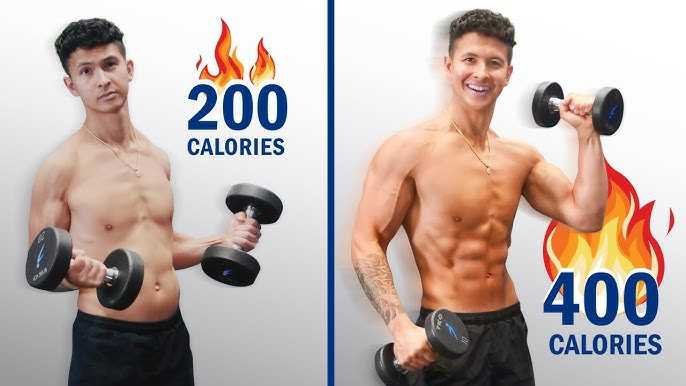
Cardio generally burns more calories during the activity, making it seem like the best choice for fat loss, but weight lifting offers long-term advantages by building muscle that boosts metabolism. So, which burns more fat—the quick burn of cardio or the muscle-building power of weight lifting? The answer depends on your goals, but combining both can maximize fat loss and improve overall fitness. Cardio helps you burn calories fast, while weight lifting enhances muscle tone and increases resting metabolic rate, leading to ongoing fat burning even after your workout.
In this article, we’ll explore how cardio and weight lifting compare in their fat-burning potential and discuss how integrating both into your routine can help you reach your fitness goals more effectively. Whether you’re aiming for quick weight loss or long-term fat reduction, understanding the benefits of each can guide you to a smarter workout plan.

Does Cardio or Weight Lifting Burn More Fat?
Understanding How the Body Burns Fat
When you exercise, your body uses different sources of energy. These sources include carbs, fat, and sometimes protein. The amount of fat burned depends on the type of activity and how long you exercise. Both cardio and weight lifting influence fat burning but in different ways.
Cardio: The Classic Fat Burner
Cardio exercises like running, cycling, and swimming are popular for burning calories quickly. They increase your heart rate and make you breathe harder. As a result, your body uses more energy, including fat stores, especially during longer sessions.
How Cardio Works to Burn Fat
During moderate cardio, your body primarily uses fat as fuel after about 20 minutes of activity. The longer you maintain a steady pace, the more fat your body burns. High-intensity cardio can burn more calories in a shorter time but may rely a bit more on carbs than fat for energy.
Benefits of Cardio for Fat Loss
- Effective in burning a high number of calories per session
- Helps improve cardiovascular health
- Can be done at various intensity levels to suit different fitness levels
Weight Lifting: Building Muscle and Burning Fat
Weight training is traditionally linked with strength and muscle gain, but it also fosters fat loss. Lifting weights helps build lean muscle mass, which increases your resting metabolic rate (the calories you burn at rest).
How Weight Lifting Contributes to Fat Loss
As you gain muscle, your body requires more energy to maintain it. This means that even when you’re not exercising, you burn more calories. Additionally, weight lifting causes a phenomenon called excess post-exercise oxygen consumption (EPOC), where your body continues to burn calories after workouts.
Muscle Growth and Fat Reduction
- Muscle tissue burns more calories at rest than fat tissue
- Strength training boosts metabolism in the long term
- Can help redefine body shape and improve strength
Comparing Calories Burned: Cardio vs. Weight Lifting
One common question is which activity burns more calories in a given period. On average, a 150-pound person burns about 300 calories in 30 minutes of moderate cardio. The same person may burn roughly 200 calories during 30 minutes of weight lifting, but this varies depending on intensity.
Factors Affecting Calorie Burn
Variables like workout intensity, duration, body weight, and individual metabolism significantly impact calorie expenditure. High-intensity weight training can increase calorie burn through EPOC, making it comparable to cardio for fat loss.
Impact of Exercise Duration and Intensity
While cardio sessions often last longer, weight lifting can be intense and shorter. For fat loss, both approaches benefit from consistency and proper intensity. Performing high-intensity interval training (HIIT) combines elements of cardio and strength, maximizing fat burn.
High-Intensity Interval Training (HIIT)
HIIT involves alternating between short bursts of intense activity and recovery periods. This method burns a significant number of calories in a shorter time and enhances EPOC, leading to increased fat burning even after exercise.
Steady-State Cardio vs. Interval Training
- Steady-state cardio sustains moderate effort for longer duration
- Interval training alternates between high and low intensities
- Research shows interval training can burn more fat in less time
Body Composition Changes: The Bigger Picture
Focusing solely on calories burned can be misleading. Changes in body composition—more muscle, less fat—are more important for overall health and appearance. Both cardio and weight lifting contribute differently to these changes.
Muscle Mass and Fat Reduction
Adding muscle through weight training helps increase basal metabolic rate, which supports ongoing fat loss. Cardio complements this by reducing overall fat stores, especially when combined with proper nutrition.
Why Combining Both Works Best
Integrating cardio and weight lifting offers a balanced approach to fat loss. Cardio helps burn calories quickly, while lifting builds muscle and boosts overall metabolism. Together, they create a synergistic effect on fat burning.
Designing Your Workout for Maximum Fat Loss
For effective fat burning, your exercise plan should include both cardio and strength training. A balanced routine might involve alternating days or combining exercises within the same session.
Sample Weekly Routine
- Monday: Cardio (30-45 minutes)
- Tuesday: Weight lifting (full body workout)
- Wednesday: Rest or light activity
- Thursday: HIIT session
- Friday: Weight lifting
- Saturday: Long moderate cardio or active recreation
- Sunday: Rest
Progression and Consistency
Gradually increasing workout intensity and duration is key. Consistent effort over weeks and months results in fat loss and improved fitness levels.
The Role of Diet and Nutrition
Exercise alone isn’t enough for optimal fat loss. Pairing workouts with a balanced diet that creates a calorie deficit accelerates results. Focus on whole foods, lean proteins, and healthy fats to support your efforts.
Monitoring Progress
Using scales, body measurements, or progress photos can help track fat loss. Remember, muscle gain might mask fat loss on the scale, so focus also on body composition.
Summary
Both cardio and weight lifting contribute to burning fat, but in different ways. Cardio provides quick calorie burn, especially effective for fat loss in the short term. Weight lifting increases muscle, boosting metabolism and supporting long-term fat reduction. Combining these styles with proper nutrition offers the best chance for effective and sustainable fat loss.
Frequently Asked Questions
How does fat burning differ between cardio and weight lifting during the workout?
During cardio exercises, your body primarily uses stored fat for fuel, especially when performed at moderate intensity over a longer duration. Weight lifting, however, mainly burns calories during the activity and increases muscle mass, which can boost your resting metabolic rate over time. While cardio tends to burn more fat immediately during the session, weight lifting contributes to overall fat loss by increasing muscle mass and metabolism, leading to more efficient fat burning even after workouts.
Which type of exercise contributes more to long-term fat reduction?
Both methods promote fat loss, but weight lifting offers significant long-term benefits by increasing muscle mass. More muscle means your body burns more calories at rest, helping to reduce fat over time. Cardio exercises burn a high number of calories during the activity, but without the muscle-building effect, their long-term impact on fat reduction may be less pronounced. Combining both ensures the most effective approach to sustained fat loss.
Can combining cardio and weight lifting maximize fat burning?
Absolutely. Incorporating both cardio and weight training creates a balanced routine that enhances overall calorie expenditure and muscle development. Cardio burns a high number of calories during workouts, while weight lifting increases muscle mass, which raises resting metabolic rate. This combination accelerates fat loss, improves fitness, and supports better body composition over time.
Does the intensity of the workout influence fat burning more in cardio or weight lifting?
Higher intensity workouts in both modalities can boost fat burning significantly. Intense cardio sessions, such as sprints or high-speed runs, burn more calories and tap into fat stores faster. Similarly, lifting heavier weights or performing high-intensity interval training (HIIT) with weights can elevate heart rate and calorie burn. The key is to challenge your body in both types of exercise to maximize fat burning.
How does workout duration impact fat burning in cardio versus weight lifting?
Extended cardio sessions at moderate intensities tend to burn more fat overall, as fat becomes a primary energy source over longer periods. Weight lifting sessions, typically shorter, focus on muscle engagement and metabolic boost during and after the workout. Combining longer cardio with shorter, intense weight training sessions offers a balanced approach to maximizing fat loss and improving fitness levels.
Final Thoughts
Cardio burns more calories during the workout, which leads to quicker fat loss. However, weight lifting builds muscle, increasing overall metabolism and aiding fat burn long-term. Combining both exercises offers optimal results.
Ultimately, the answer to does cardio or weight lifting burn more fat depends on your goals and routine. Cardio provides immediate calorie burn, while weight lifting boosts sustained fat loss through muscle growth. A balanced approach works best for most individuals.
As an Amazon Associate, We earn from qualifying purchases. When you purchase a product through Amazon links on pulsefitguide.com, we may earn a small commission at no extra cost to you. This helps support the site and keep our content free.
